

If you haven’t heard the recent news, PCOS now has a new name: polyendocrine metabolic ovarian syndrome (PMOS). This updated name better reflects what millions of women with the health condition have experienced all along.
For years, the name polycystic ovary syndrome (PCOS) led many people to believe the condition was only related to ovarian cysts or reproductive health. But after decades of research, it’s become clear that this condition affects multiple systems throughout the body. These mainly include metabolic, endocrine, and reproductive health.
This name change is an important step forward because it helps shift the conversation toward the true root drivers behind the condition. It doesn’t focus on just one possible symptom, like ovarian cysts. But still, people are now wondering: What does this mean for the PMOS community?
In this guide, I’m breaking down exactly what PMOS is, the most common symptoms, possible root causes, and how it’s diagnosed. I’ll also share natural ways to support hormone balance and begin reversing symptoms with treatment for PMOS.
And don’t worry; you’ll still hear many people use the term PCOS for a while. For now, PCOS and PMOS are referring to the same condition.
What Is PMOS? The New Name for PCOS Explained
Did you know that up to 70% of women with PCOS/PMOS go undiagnosed? This is widely because, for years, so much of the focus was on ovarian cysts alone. But they are just one possible symptom of the condition, not the root cause.
That’s exactly why the shift from PCOS to PMOS matters so much. The updated name helps people better understand that this is actually a complex endocrine and metabolic condition that affects the entire body. And while PMOS looks different for every woman, at its core, it regularly affects three major symptoms: hormone levels, insulin and blood sugar regulation, and ovulation.
When you start understanding how connected these systems are, it becomes much easier to recognize symptoms. And that means you can better advocate for your health and finally understand what’s happening inside your body.
Learn more about just how many women struggle with this condition in my post “How Common is PCOS? The Shocking Statistics Explained.”
PCOS vs. PMOS
Name Change
As of May 2026, the medical community is shifting from the term PCOS to PMOS. The condition itself hasn’t changed, but the understanding of it has evolved dramatically. This updated name is a huge step forward for women’s health, as it finally recognizes PMOS for what it truly is. And that is a complex endocrine and metabolic condition that affects far more than just the ovaries.
Scope
Previously, PCOS placed a heavy focus on ovarian cysts and reproductive health. And while these can be a symptom of the condition, they are not actually the root cause.
With the updated term PMOS, the understanding of the condition extends beyond the ovaries and is recognized as a full-body endocrine metabolic disorder. This shift is incredibly important because it helps healthcare providers focus more on the real root drivers behind symptoms.
Metabolic Link
With the term PCOS, the metabolic side of the condition was often overlooked or underemphasized. But with the shift to PMOS, metabolic health is finally being recognized as a central part of the condition.
That means more attention is being paid to the true root drivers of symptoms, especially insulin resistance and inflammation. By focusing on metabolic health alongside reproductive health, women can finally begin to address the why rather than the surface-level effects.
Symptoms
The symptoms of PCOS and PMOS are exactly the same. What’s changing is the way the medical community understands and approaches the condition.
In the past, research focused primarily on ovarian cysts, fertility, and the reproductive system. But with the shift to PMOS, healthcare providers are beginning to look at the condition through a much broader lens. And honestly, the more providers recognize PMOS as a whole-body condition, the better women can receive support, symptom management, and treatment plans.
Clinical Focus
From a clinical perspective, this shift allows healthcare providers to move beyond simply managing symptoms. Now they can begin focusing on comprehensive hormonal and metabolic care. And that’s such an important change because when you start healing the root issues, symptom improvement naturally follows.
What Causes PMOS?
Insulin Resistance
Insulin resistance happens when the body struggles to properly use glucose for energy. Instead of converting that glucose into fuel, the body keeps more sugar circulating in the bloodstream. This then leads to elevated insulin levels and increased fat storage, especially around the belly area.
And when insulin levels stay high for too long, it can trigger a chain reaction throughout the body. Elevated blood sugar levels can increase androgen levels, disrupt cortisol balance, worsen inflammation, and throw other hormones out of sync. And over time, it can increase the risk of long-term health conditions like type 2 diabetes and heart disease.
But here’s something incredibly important to know: up to 80% of women with PMOS struggle with insulin resistance. It’s considered one of the most common root drivers behind the condition. And that’s why this new term, PMOS, is so important in how we address healing at the root, not just masking symptoms with temporary relief.
Elevated Androgen Levels
Excess androgens (AKA male hormones like testosterone) are another major root driver behind PMOS. When androgen levels become too high, they can disrupt ovulation and contribute to the development of ovarian cysts.
And here’s where things can become even more complicated: high androgen levels can worsen insulin resistance. At the same time, elevated insulin can stimulate the ovaries to produce more androgens. So the body gets stuck in a cycle in which insulin resistance and high androgens feed into each other. The result? Symptoms are harder to manage over time.
Chronic, Low-Grade Inflammation
When the body becomes stuck in a state of chronic low-grade inflammation, it can play a major role in the development or worsening of PMOS. This ongoing inflammation can disrupt hormone signaling throughout the body, making metabolic dysfunction harder to manage.
Inflammation-driven PMOS is especially challenging because inflammation can worsen insulin resistance, increase androgen production, and interfere with ovulation. And, unfortunately, these root issues tend to feed into each other.
Want to better understand the root causes behind PMOS? I recommend taking a look at my post “PCOS Types: How to Identify Which Type You Have.”
What Are the Symptoms of PMOS?
PMOS is a whole-body hormonal and metabolic condition, which means it affects many different systems. And because hormones are all connected, symptoms can show up in a wide variety of ways from one woman to another. Some of the most common symptoms of PMOS include:
- Irregular menstrual cycle or missed periods
- Acne and oily skin
- Excessive hair growth on the face or body
- Hair loss or shedding on the scalp
- Weight gain or difficulty losing weight
- Fatigue and low energy
- Mental health issues like mood swings, anxiety, or depression
- Intense sugar or carb cravings
- Sleep issues and disturbances
- Gut health and digestive issues
And remember, not every woman will experience all of these symptoms. PMOS exists on a spectrum, which is one reason it can be so misunderstood. If you want a deeper look into PMOS symptoms, check out my post “What Does PCOS Feel Like?”
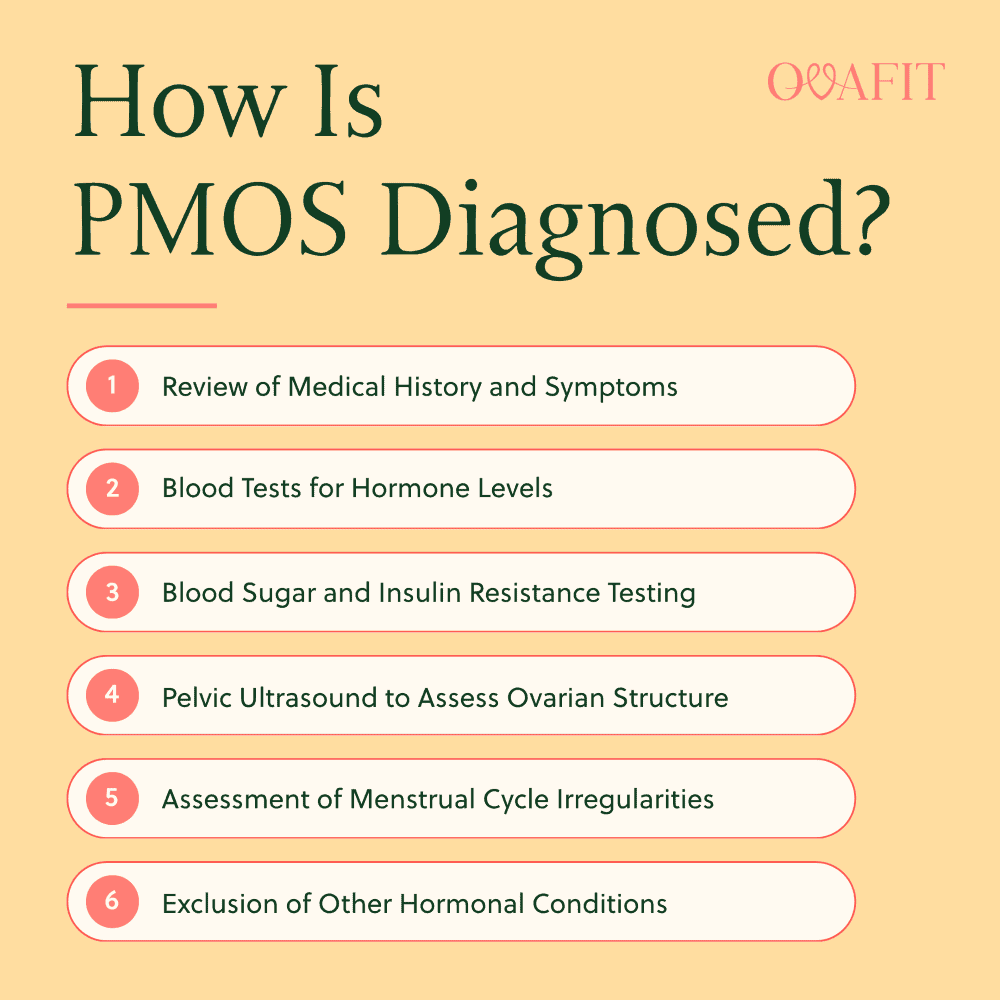
How Is PMOS Diagnosed?
There isn’t one single test that can diagnose PMOS. Instead, healthcare providers diagnose the condition by looking at the full picture and ruling out other conditions.
The most commonly used method is the Rotterdam Criteria. With this approach, you need to meet at least 2 out of 3 of these criteria to receive a diagnosis. These include irregular periods, elevated androgen levels or other hormone imbalances, and polycystic ovaries.
While the recent name change of PCOS will significantly benefit future diagnoses, it still isn’t a linear process. Here’s what you can expect when you’re trying to determine whether you have PMOS:
Review of Medical History and Symptoms
Your healthcare provider will usually start by asking about your medical history and the symptoms you’re experiencing. This is your chance to talk about what’s been feeling “off” in your body. This first conversation helps your doctor start looking at the bigger hormonal and metabolic picture behind your symptoms.
Blood Tests for Hormone Levels
Your doctor will likely order blood work to get a better understanding of what’s happening with your hormones and metabolism. These tests can evaluate things like androgen levels, insulin markers, inflammation, thyroid function, and other hormone imbalances.
If you want a deeper breakdown of the labs used for diagnosing, check out my post “Blood Workup for PCOS.”
Blood Sugar and Insulin Resistance Testing
Because a large percentage of women with PMOS struggle with insulin resistance, your doctor will likely check insulin and blood sugar markers. This is incredibly important because insulin resistance is one of the most common root drivers behind PMOS.
And even if you don’t end up being diagnosed with PMOS, understanding your metabolic health provides valuable insight. It answers questions about energy levels, hormone balance, cravings, weight changes, and long-term health.
Pelvic Ultrasound to Assess Ovarian Structure
As part of diagnosing PMOS, your doctor may order an ultrasound to check for polycystic ovaries. These small fluid-filled follicles often appear in a pattern described as a “string of pearls” on the ultrasound image.
Assessment of Menstrual Cycle Irregularities
One of the most common symptoms of PMOS is irregular menstrual cycles. That’s why tracking your cycle can be incredibly helpful when it comes to diagnosis. Paying attention to late or missed periods, unusually long cycles, or changes in bleeding can give your doctor important clues. From this, they can have a clearer picture of how your hormones and ovulation are functioning.
Learn more about PMOS and menstrual cycles in my posts “Can You Have Normal Periods with PCOS?” and “Types of Abnormal Menstruation with PCOS.”
Exclusion of Other Hormonal Conditions
Part of diagnosing PMOS involves ruling out other hormonal conditions that cause similar symptoms. Conditions like hypothyroidism, endometriosis, and other hormone imbalances can sometimes look very similar to PMOS. And that’s why proper testing is so important. You can also have more than one condition.
If you want to learn more, check out my posts “Hypothyroidism and PCOS” and “Can You Have PCOS and Endometriosis?”
Can PMOS Be Treated?
Yes, it is possible to treat PMOS, but it may not be how you expect. Ultimately, there is no true cure for the condition, meaning there is no single pill, injection, or quick fix that permanently resolves it. Instead, you need to focus on the root issues. That means regulating hormones, improving insulin sensitivity, and addressing individual symptoms.
The best way to do this? Through intentional, hormone-balancing lifestyle changes like a PCOS-friendly diet, regular low-impact exercise, and incorporating PCOS supplements into your routine.
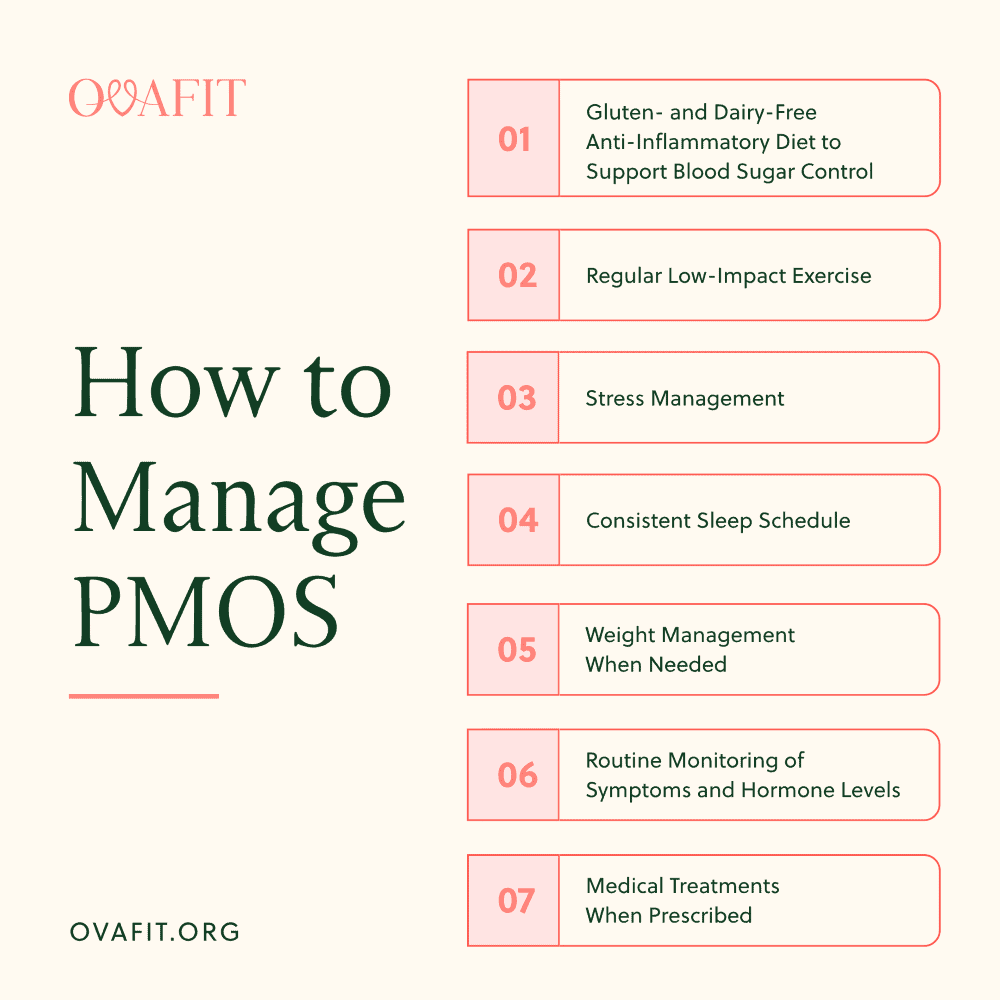
How to Manage PMOS
Gluten- and Dairy-Free Anti-Inflammatory Diet to Support Blood Sugar Control
One of the most powerful things you can do to support your hormones and improve symptoms is follow a gluten- and dairy-free anti-inflammatory diet. Prioritizing lean protein, fiber-rich foods, and healthy fats can help stabilize blood sugar, lower inflammation, and reverse insulin resistance.
If you’re not sure where to start, The Cysterhood app makes it simple. Inside, you’ll find hundreds of easy hormone-friendly recipes created specifically for Cysters. The goal isn’t to restrict your eating; it’s to find supportive, intentional ways to make all of your favorite meals. (Which was exactly my goal!)
And if hitting your protein goals feels difficult, adding Crave Control Protein is a great way to boost your intake. Plus, it improves satiety and supports healthy insulin levels with natural GLP-1 support.
Regular Low-Impact Exercise
Moving your body regularly can make a huge difference in improving PMOS symptoms and supporting weight loss. Even exercising just 2-3 times per week can help improve insulin sensitivity, lower inflammation, balance hormones, and boost energy levels.
But with PMOS, not every workout is hormone-friendly. Instead of intense, high-stress workouts, it’s better to focus on low-impact movement. These include Pilates, yoga, walking, swimming, and slow-weighted strength training. They help build lean muscle and support metabolism without overstressing the body or spiking cortisol levels.
And if you want guidance, The Cysterhood app makes it easy to build a workout routine that actually supports your body and hormones. Inside, you’ll find PMOS-friendly workout videos, coaching, and supportive routines designed specifically for Cysters.
Stress Management
Stress can make PMOS symptoms significantly worse by increasing both insulin resistance and chronic inflammation. That’s why stress management isn’t just “self-care” for Cysters, it’s an important part of hormone balance and healing.
Simple habits like meditation, journaling, yoga, and relaxing hobbies can help lower cortisol levels. This then calms inflammation throughout the body. And honestly, even small moments of intentional rest each day can make a huge difference in how you feel.
If you want extra support for lowering stress naturally, check out my posts “How to Lower Cortisol with Supplements” and “Hormone-Balancing Teas.”
Consistent Sleep Schedule
Don’t underestimate how important quality sleep is when it comes to balancing hormones and managing symptoms. Consistent, restorative sleep can help lower inflammation, improve insulin sensitivity, regulate cortisol levels, and support your energy.
The tricky part is that many Cysters already struggle with sleep disturbances. That’s why creating a consistent sleep schedule and a calm, comfortable sleeping environment can make a big difference. If sleep has been a struggle for you, don’t worry. I put together a full guide, “How to Sleep Better with PCOS,” with practical tips, routines, and habits.
Weight Management When Needed
Did you know that losing just 5-10% of body weight can significantly improve PMOS symptoms and support ovulation? For women dealing with insulin resistance, even small, sustainable weight loss can make a difference.
And if losing weight with PMOS has felt impossible, please know you are not failing. Hormone imbalance makes weight loss much more challenging, but it is possible. I personally lost 30 pounds by focusing on hormone balance through a PCOS-friendly diet and low-impact workouts.
If you need support getting started, The Cysterhood app can help you organize meals, follow workouts, and stay consistent.
Routine Monitoring of Symptoms and Hormone Levels
Tracking your cycle, symptoms, and overall progress can be helpful throughout your PMOS healing journey. Paying attention to changes in your energy, cravings, mood, periods, sleep, and symptoms helps you better understand what’s improving. It also shows where your body may still need support.
As an added layer of support, routine blood work can give you more concrete insight into how your hormones, insulin levels, and inflammation markers are responding over time. Together, symptom tracking and lab testing can help you see whether your current routine is working. Or it can tell you if it’s time to make adjustments to better support your hormone healing.
Medical Treatments When Prescribed
When working with a healthcare provider, they may recommend medical treatments to help manage PMOS symptoms. Some of the most common options include Metformin and hormonal birth control pills.
Personally, I believe the most powerful approach is focusing on the root causes behind PMOS instead of only masking symptoms. But every woman’s journey is different, and there’s no one-size-fits-all path to healing. If medication feels right for you, that decision is completely personal and valid.
And if you want additional support alongside your lifestyle changes, targeted PMOS supplements can also be helpful. Some of my favorite Ovafit supplements include:
- Inositol Complete: A 40:1 blend of myo and D-chiro inositol clinically designed to support insulin sensitivity, hormone balance, healthy ovulation, and ovarian function.
- Berberine Advanced: A natural GLP-1 supportive supplement that may help stabilize blood sugar, lower inflammation, improve insulin resistance, and support sustainable weight management.
- Metabolism Plus: A targeted supplement bundle created to support metabolism, reduce inflammation, improve insulin sensitivity, and promote healthy hormone function overall.
Take the first step in reversing PMOS with Ovafit and a community of cysters.
Even though PCOS is now being referred to as PMOS, the condition itself hasn’t changed. What has changed is the understanding of it. The medical community is finally recognizing PMOS as the complex hormonal and metabolic condition it truly is. And that’s a huge step forward for women’s health.
This shift means greater focus on the real root drivers of symptoms, like insulin resistance, inflammation, hormone imbalance, and adrenal dysfunction. Hopefully, this leads to more research, better support, and more effective treatment options for Cysters everywhere.
And as you work toward healing and reversing PMOS naturally, you don’t have to do it alone. Ovafit and the Cysterhood community are here to support you every step of the way. Through hormone-friendly meal plans, guided workouts, targeted supplements, educational blogs, and our podcast, you’ll have the tools and support you need. You’ll better understand your body, advocate for your health, and start feeling like yourself again.