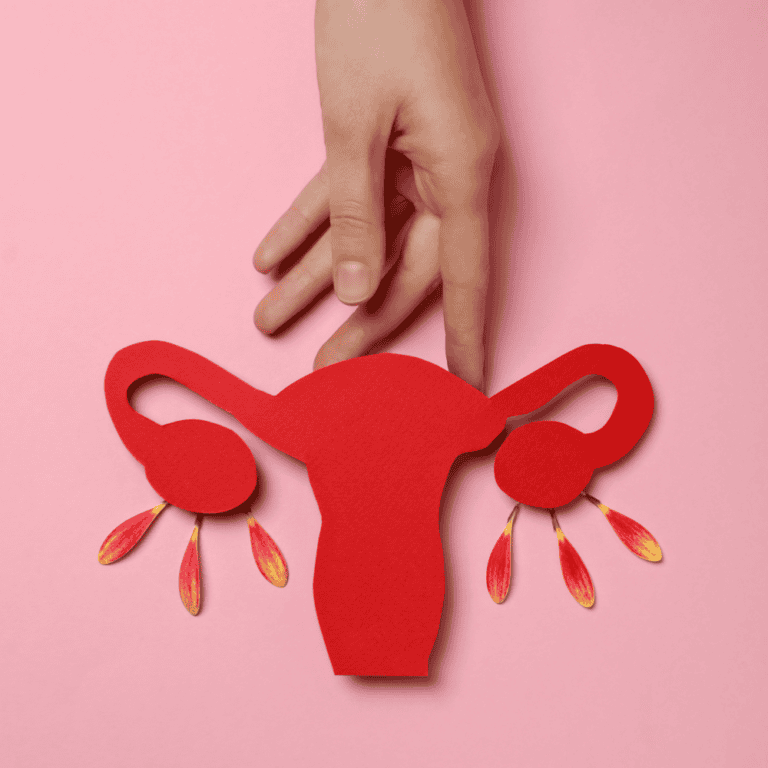

Polycystic ovary syndrome (PCOS), now polyendocrine metabolic ovarian syndrome (PMOS), is one of the most common hormonal conditions affecting women of reproductive age. Yet despite how common it is, there is still so much misunderstanding surrounding its cause and classification.
The good news is that the medical community is finally beginning to recognize PMOS for what it truly is. And that’s a complex endocrine and metabolic condition that affects far more than just the ovaries. But this growing understanding also raises an important question: Is PCOS (or PMOS) an autoimmune disorder?
PMOS and autoimmune conditions can share several overlapping symptoms. And honestly, both conditions are misunderstood and underdiagnosed. Understanding the difference between them can help you advocate for your health and pursue the right treatment.
In this article, I’m breaking down whether PMOS is an autoimmune disorder and how the two conditions may be connected. I’ll also explain how to diagnose PMOS and what testing your doctor may use to rule out other conditions. By the end, you’ll have a clearer understanding of how PMOS works and how it differs from autoimmune diseases.
Heads up! PCOS recently had a name change to PMOS. You’ll see me use both terms interchangeably for a while, as the community is still getting used to swapping verbiage.
Is Polycystic Ovary Syndrome an Autoimmune Disorder?
PCOS, also referred to as PMOS, is not currently classified as an autoimmune disorder. However, pending research suggests that it may eventually be considered an autoimmune disorder after more studies. While both conditions involve chronic inflammation and interactions with the immune system, they are fundamentally different types of health concerns.
PMOS is an endocrine and metabolic condition, meaning it primarily affects hormones, insulin regulation, metabolism, and ovulation. Autoimmune diseases, on the other hand, occur when the immune system mistakenly attacks healthy tissue in the body.
That said, there is overlap between the two. PMOS and autoimmune conditions can share symptoms like fatigue, inflammation, hair changes, weight fluctuations, and irregular cycles. (AKA, both generally impact every part of the body.) And because of those similarities, it’s easy to understand why so many women wonder whether PMOS is autoimmune-related.
The important thing is understanding the difference between the two conditions and recognizing where they may be connected. That knowledge can help you get more accurate testing, a clearer diagnosis, and a treatment plan that targets the root issue.
What Is Polycystic Ovary Syndrome or Polyendocrine Metabolic Ovarian Syndrome?
PCOS, or PMOS, is a complex hormonal and metabolic condition that affects how the ovaries function and how hormones communicate throughout the body. Women with PMOS commonly experience symptoms like:
- Irregular periods
- Polycystic ovaries
- Fatigue and low energy
- Acne and oily skin
- Weight gain or difficulty losing weight
- Excess facial or body hair
- Hair thinning on the scalp
- Mood swings or anxiety
- Gut issues and bloating
- Sleep disturbances or sleep apnea
One of the biggest root drivers behind PMOS is insulin resistance, which affects up to 80% of women with the condition. This happens when the body struggles to properly use glucose for energy. It then leads to elevated insulin levels, blood sugar imbalance, and increased fat storage. Over time, untreated insulin resistance increases the risk of conditions like type 2 diabetes, cardiovascular disease, and high blood pressure.
If you want to better understand how PMOS works in the body, check out my posts “How Common is PCOS?” and “Types of PCOS.”
What Is an Autoimmune Disorder?
Autoimmune disorders occur when the immune system attacks healthy cells instead of protecting them. Normally, your immune system is supposed to fight harmful invaders, like viruses or bacteria. But with autoimmune disease, the immune system essentially becomes confused and starts targeting healthy tissues instead.
And here’s something important to recognize: about 80% of people with autoimmune disorders are women. That tells us there is a strong connection between female hormones, inflammation, and immune system health.
Some common types of autoimmune diseases in women include Multiple Sclerosis, Psoriasis, Hashimoto’s thyroiditis, irritable bowel syndrome (IBS), and lupus.
And many of these conditions share symptoms with PMOS. These include fatigue, inflammation, hair changes, weight loss or gain, mood issues, and irregular menstrual cycles. So, it’s easy to see why the two are sometimes confused or mistaken for one another.
Is There a Link Between PCOS and Inflammation in the Body?
One of the major root drivers behind PMOS is chronic low-grade inflammation. This ongoing inflammation can worsen insulin resistance, one of the biggest factors contributing to hormone imbalance in PMOS.
When insulin levels remain high, they stimulate the ovaries to produce more androgens (male hormones like testosterone). This can disrupt ovulation and contribute to symptoms like acne, irregular periods, facial hair growth, and weight gain.
So where does the autoimmune connection come in?
Autoimmune diseases like Hashimoto’s thyroiditis and lupus also involve chronic inflammation. But in these conditions, immune system dysfunction and autoantibodies that attack healthy tissue drive the inflammation.
Remember, the medical community does not consider PMOS an autoimmune disease. However, researchers believe the chronic inflammation that accompanies it may increase the risk of developing autoimmune conditions later. That’s one reason why so many women with PMOS should pay attention not only to hormone health, but also to inflammation.
Can PCOS or PMOS Be Misdiagnosed as an Autoimmune Disease?
Yes, PMOS can sometimes be mistaken for an autoimmune disorder because the two conditions share many overlapping symptoms. Some of the most common shared symptoms include:
- Fatigue
- Hair loss
- Weight changes
- Brain fog
- Irregular periods
- Fertility struggles
- Chronic inflammation
Because these symptoms are so broad, misdiagnosis can happen, especially when providers don’t run proper hormone and autoimmune testing.
For example, Hashimoto’s thyroiditis and PMOS can look incredibly similar. In fact, there’s a strong correlation between them, with research showing women with PCOS have a higher chance of developing Hashimoto’s. Both conditions can cause fatigue, weight gain, hair changes, mood shifts, and irregular menstrual cycles. There’s also a strong connection between hypothyroidism and PCOS that many women aren’t aware of.
That’s why getting the right testing is so important. Additionally, it’s also why understanding the differences between endocrine and metabolic conditions like PMOS and autoimmune disorders makes it easier to advocate for yourself. You can ask the right questions and work toward a diagnosis that actually explains what’s happening in your body.
Can You Have an Autoimmune Disease and PCOS or PMOS at the Same Time?
Yes, it is absolutely possible to have both an autoimmune disease and PCOS or PMOS at the same time. In fact, research suggests that certain autoimmune conditions may be more common in women with PMOS. One of the strongest known connections is with Hashimoto’s thyroiditis. Other autoimmune conditions that may coexist with PMOS include Graves’ disease, celiac disease, lupus, and rheumatoid arthritis.
Researchers believe this overlap may be connected to chronic inflammation, immune system dysregulation, and hormonal imbalance. And here’s another important piece: PMOS can lower the immune system. When inflammation, insulin resistance, poor sleep, chronic stress, and hormone imbalance go unaddressed, the body can become more vulnerable overall.
How Is PCOS or PMOS Diagnosed?
When you’re trying to figure out whether you’re dealing with PMOS or an autoimmune disorder, proper testing becomes incredibly important. Because these conditions can share overlapping symptoms, the right labs and evaluations are what help provide clarity.
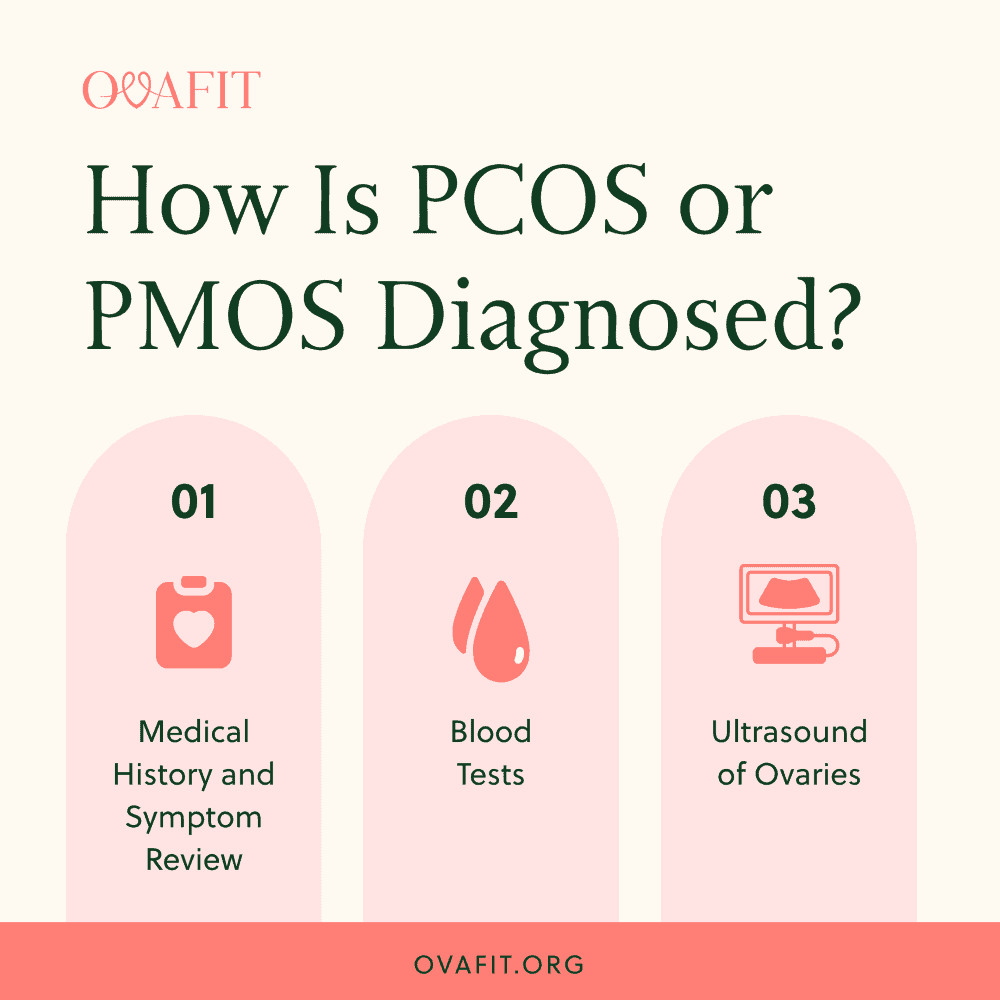
To detect PCOS, healthcare providers follow the Rotterdam Criteria. With this method, you need to meet at least two out of the following three criteria to receive a diagnosis. Your doctor will also rule out other conditions, such as autoimmune disorders, to come to a conclusion.
Medical History and Symptom Review
During your appointment, your doctor will usually start by reviewing your medical history, family history, and the symptoms you’ve been experiencing. This is your opportunity to talk about anything that feels “off” in your body.
This step is incredibly important because doctors diagnose PMOS by looking at the full picture of your health, not just one symptom. Your doctor will use this information to help guide additional testing and narrow down the cause.
If you want a deeper look into the day-to-day symptoms, check out my guide “What does PCOS Feel Like?” It can help you better understand your symptoms and remind you that you’re not alone in this journey.
Blood Tests
To get a clear picture of what’s happening with your hormones and metabolism, your doctor will order blood work. These tests can evaluate things like cortisol, insulin, and androgen levels, inflammation markers, and overall hormone balance.
Your provider may also check thyroid hormones to help rule out conditions like hypothyroidism or Hashimoto’s thyroiditis. These conditions can sometimes mimic PMOS symptoms and cause a misdiagnosis. That is why diagnosing PMOS is an exclusion method. In other words, physicians typically rule out all other medical conditions that provide similar symptoms before they can definitively diagnose you with PMOS.
If you want a deeper breakdown of the labs commonly used for PMOS testing, check out my guide “Blood Workup for PCOS.”
Ultrasound of Ovaries
Another important part of diagnosing PMOS is a physical exam, which includes an ultrasound of the ovaries. During the ultrasound, doctors look for small fluid-filled sacs in the ovaries, often referred to as polycystic ovaries. (Hence the previous name.)
This is one of the classic signs associated with PCOS. However, it’s important to remember that not every woman with PMOS will have ovarian cysts. And honestly, that’s one of the biggest reasons behind the shift from the term PCOS to PMOS.
However, if you’re experiencing irregular menstrual cycles, elevated androgen levels, and/or polycystic ovaries, it can be a strong indication that you’re dealing with PCOS.
Understand PMOS and find a treatment plan that targets its root issues with help from Ovafit and The Cysterhood.
PMOS and autoimmune disorders are both incredibly misunderstood in women’s health. And because they share so many overlapping symptoms, it’s not uncommon for one condition to be mistaken for the other.
That’s why understanding how these conditions differ is so important. The more you learn about them, the better you can advocate for yourself and pursue the right testing and treatment plan. And while clinicians do not consider PMOS an autoimmune disorder, women with PMOS have a higher risk of developing autoimmune conditions over time.
The good news? There are so many ways to support your body naturally and reverse PMOS.
That’s where Ovafit and The Cysterhood app can help. Learning how to support your hormones through a PCOS-friendly diet, low-impact movement, stress management, and targeted supplements can make a huge difference.
And through the Ovafit blog and A Cyster and Her Mister podcast, you can continue learning what’s happening inside your body. The more you know, the better you can support your hormones and start healing from the inside out.