
Bloating can be one of the most frustrating and uncomfortable parts of being a woman, especially if you’re dealing with polycystic ovarian syndrome (PCOS), now called PMOS (polyendocrine metabolic ovarian syndrome). In fact, a recent study shows that bloating is the most frequently reported symptom among with PMOS.
That’s a lot of women out there feeling that tight, swollen discomfort that can make even your comfiest sweatpants feel snug. And the causes? They can range from gas buildup, food intolerances, constipation, gut bacteria imbalance, and water retention. (A few of which is more common in women with PMOS because of the interconnected metabolic, hormonal, and inflammatory disruptions.)
But here’s the good news… you don’t have to live with that bloated feeling, even if PMOS is part of your life! There are natural ways to beat the bloat and one of the most effective (and soothing!) remedies is herbal tea. In this blog post, I’m diving into nature’s pantry to explore calming teas that can help you find relief and feel like yourself again. Let’s sip our way to less bloating!
What Tea Helps with Bloating?
Many women turn to medication for bloating relief, but those can often come with unwanted side effects that leave you feeling worse than before. That’s why I prefer to reach for a soothing herbal tea instead! A warm cup of tea can work wonders to ease that uncomfortable tightness in your abdomen and help you feel like yourself again.
Most can even be used if you’re pregnant or breastfeeding, which I’ll explore more closely below. Herbal teas are especially helpful for women with PMOS who often experience bloating more frequently. Drinking just one cup a day may relieve bloating and soothe digestive discomfort!
Does Tea Help with Bloating?
A warm cup of tea can be a soothing addition to your routine when you’re feeling bloated. But it’s important to note: no single tea is a guaranteed fix. Some herbal teas contain compounds that have been studied for their effects of digestive muscle activity, inflammation, nausea, or gastrointestinal discomfort. However, research on many individual teas specifically for bloating and gas is still limited.
It also helps to understand why you’re bloated in the first place! Bloating can happen when gas builds up in the digestive tract, certain foods aren’t tolerated well, constipation slows things down, or your body retains extra fluid. For women with PMOS, several of these factors can overlap.
So, think of tea as one tool in your digestive-support toolbox. Depending on what’s behind your symptoms, the right tea may help you feel more comfortable. But it works best alongside habits that address the actual cause of your bloating.
Not sure what your root causes may be? Take my free “What’s Your PMOS Type?” quiz. By filling out this short questionnaire, you can leave with more information about what may be driving the symptoms you’re experiencing.
BONUS TIP: Pay attention to what your tea bags are made of! Plastic may be an endocrine disrupter and can make our hormone imbalances worse.
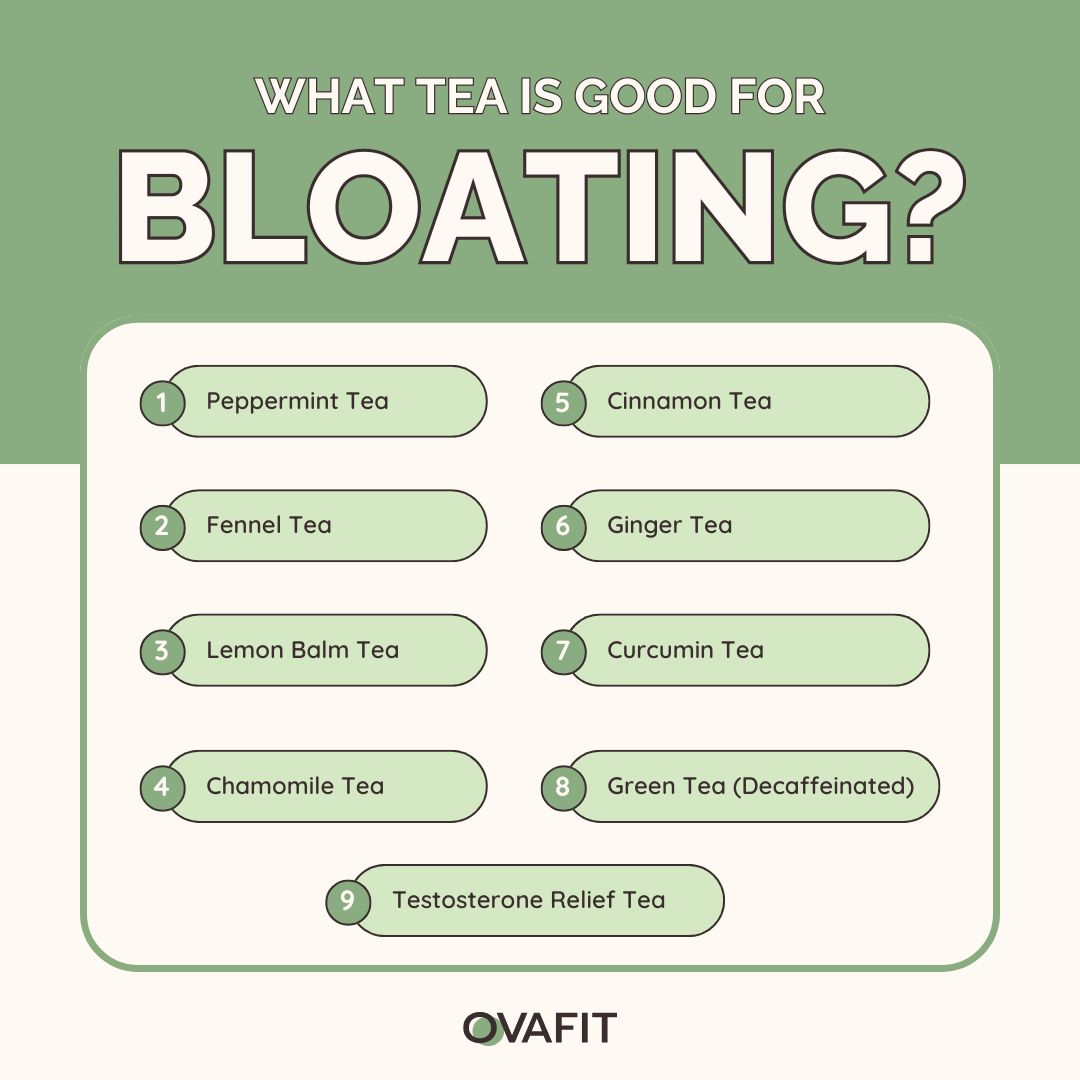
What Tea is Good for Bloating?
Peppermint Tea
Peppermint is one of the better-known herbs for digestive comfort. Its primary active compound, menthol, can affect calcium channels in gastrointestinal smooth muscle, producing an antispasmodic or muscle-relaxing effect. Beyond this, peppermint tea can also boost anti-inflammatory properties. And for women with PMOS who also manage chronic inflammation, that can be a big relief!
If your bloating is connected to cramping or trapped gas, peppermint tea may be worth trying as a soothing option. You can learn more by reading my article: “Teas for Hormonal Imbalance in PMOS.”
Fennel Tea
A warm cup of fennel tea can be a total game-changer if you’re struggling with bloating or digestive comfort. This blend has traditionally been used for digestive discomfort, especially when gas or spasms are involved. One of its primary compounds is anethole, which has demonstrated smooth-muscle-relaxing and antispasmodic activity in research!
That makes it a reasonable option when your blasting seems to come with gas or cramping. However, unlike other sources may recommend, I wouldn’t go as far to say fennel tea is a “proven laxative,” the evidence simply isn’t strong enough to support those claims. (And it’s important to be 100% transparent when discussing PMOS relief plans!)
Lemon Balm Tea
If your stomach seems to know when you’re stressed before you do, lemon balm may be one to try. Lemon balm contains several plant compounds, including rosmarinic acid, and research suggests lemon balm extracts can influence intestinal contractions. Researchers have also proposed that rosmarinic acid and other phenolic compounds may contribute to these effects.
Here’s another bonus: lemon balm is also traditionally used for its calming properties, which may make it particularly appealing when digestive discomfort seems to show up during stressful days. For women with pMOS, managing stress is already an important part of support overall well-being!
Chamomile Tea
You probably know chamomile tea as the go-to for a good night’s sleep, but did you know it can also be amazing for bloating? Chamomile contains several plant compounds, including the flavonoid apigenin, and research suggests potential antispasmodic effects on smooth muscle.
That said, evidence is generally experimental, meaning chamomile tea is best viewed as a gentle digestive-support option rather than a quick fix. However, it can be especially nice after dinner when you’re dealing with mild digestive discomfort and want something caffeine-free before bed.
Cinnamon Tea
Sipping on a warm cup of cinnamon tea feels just like a cozy hug in a mug, but did you know it can also be useful for bloating? Cinnamon contains cinnamaldehyde, one of the major compounds responsible for its characteristic flavor and aroma. Research has explored cinnamaldehyde and cinnamon extracts for several biological effects related to inflammation and smooth muscle activity.
For bloating, though, it’s important to keep expectations realistic. Cinnamon tea may be a warming, caffeine-free drink that fits into a digestion-friendly routine, but we don’t have strong enough evidence showing that cinnamon tea itself is a proven cure for bloating.
Giner Tea
Ginger is one of my favorite options when blasting comes with that overly full, unsettled stomach feeling. Its major bioactive compounds include ginger and shogaols, which have been extensively studied for their biological activity! Human research has particularly explored ginger for nausea and gastric motility.
The best part? You can combine lemon and ginger in the same cup. Ginger provides the main digestive-support component, while lemon adds flavor and a little vitamin C. Lemon isn’t a proven treatment for bloating, but its bright flavor can make ginger teas much easier to sip.
Curcumin Tea
You probably recognize curcumin tea because of its vibrant orange color. Not only is it unique in color, but curcumin is the primary bioactive compound associated with turmeric, and its anti-inflammatory properties have made it a major focus of research. Studies have also explored curcumin for gastrointestinal conditions such as IBS.
Think of it this way: turmeric and curcumin can absolutely be part of an overall gut-friendly routine. However, I’d skip claims that directly flushes out water retention or prevents bloating alone.
Green Tea
Green tea is a little different from the herbal teas above because it naturally contains caffeine unless you choose a decaffeinated version. It also contains catechins, including EGCG (epigallocatechin gallate), one of green tea’s most widely studied compounds. But that begs the question: does green tea help with bloating? It depends.
Some people find a warm cup comfortable after a meal, but green tea isn’t a proven treatment for bloating. And for some people, regular caffeinated green can actually make digestive discomfort worse, especially if you’re sensitive to caffeine.
That said, if green tea tends to make your stomach feel unsettled, try drinking it with or after food rather than first thing in the morning. You can also switch to decaf green tea, which retains green tea’s plant compounds while providing much less caffeine.
For women with PMOS that notices caffeine makes them feel jittery, anxious, or uncomfortable, decaf may simply be the more comfortable option. Either way, there’s no need to force green tea into your routine if your stomach consistently feels worse afterwards.
Testosterone Relief Tea
When you look at all the herbal teas you can benefit from as a woman with PMOS, the list is LONG. And realistically, nobody wants to spend their entire day rotating through eight different mugs. That’s where a blend can make things easier.
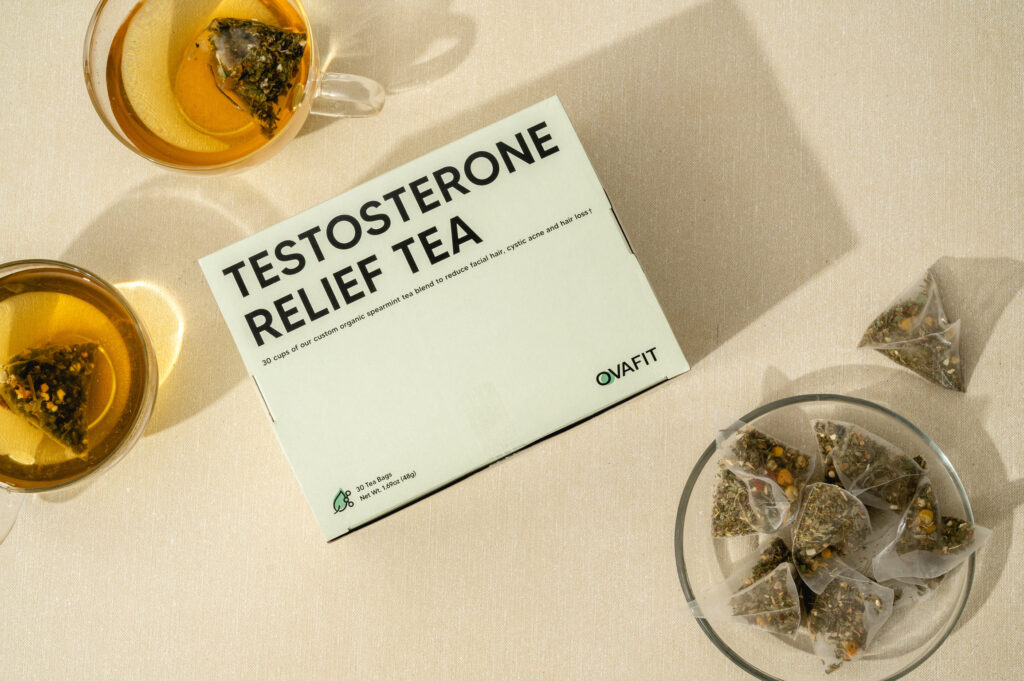
Our Testosterone Relief Tea combines several herbs already on this list, including peppermint, cinnamon, chamomile, and lemon balm, in one convenient plastic-free tea bag. Rather than thinking of it as a magic “de-bloating” tea, think of it as an easy way to incorporate several soothing herbs into your daily PMOS routine while supporting your hormone-health goals.
Ways to Drink Herbal Tea
- Drink it hot: The classic way to enjoy herbal tea for comfort, relaxation, or soothing symptoms.
- Make it iced: Brew it strong, chill it, and pour over ice for a refreshing cold option.
- Turn it into a latte: Add warm milk or a milk alternative for a cozy, creamy drink.
- Blend it into a slushie: Freeze brewed tea into ice cubes and blend for a cooling treat.
- Freeze popsicles: Pour cooled tea into popsicle molds for a hydrating snack.
- Mix a spritzer: Combine herbal tea with sparkling water for a fizzy, light drink.
- Add to smoothies: Use brewed tea instead of water for added flavor and benefits.
- Make a tea lemonade: Mix herbal tea with fresh lemon juice for a sweet–tart twist.
Can Tea Cause Bloating?
Plot twist: sometimes the drink you’re reaching for to relieve bloating can make your stomach feel worse. This is most likely with caffeinated teas such as green or black tea. Caffeine can affect the gastrointestinal tract differently from person to person, while tea’s tannins can cause nausea or stomach irritation for some people, especially when tea is strong or consumed on an empty stomach.
How you drink your tea matters, too. Quickly drinking several large cups adds a lot of fluid to your stomach at once, which can temporarily make you feel fuller or more distended. Added ingredients can also be a culprit. If you add dairy and don’t tolerate lactose well, for example, your tea may get blamed for bloating caused by what’s in it.
If tea makes you feel worse, try a smaller serving, brew it a little weaker, sip it slowly, and avoid drinking caffeinated tea on an empty stomach. Decaf or naturally caffeine-free herbal tea may also feel better.
Best Tea for Bloating and Constipation
If constipation is behind your bloating, the goal is different from simply releasing trapped gas. You’re trying to support regular bowel movements and get things moving comfortably again.
Of the teas on this list, ginger may be useful when constipation comes with sluggish digestion or uncomfortable fullness, while peppermint or fennel may feel soothing when constipation also causes cramping and gas. However, none of these should be treated like a single treatment or a proven laxative.
Your bigger focus should be the basics that support regularity: enough fluid, adequate dietary fiber, regular movement, and foods your body tolerates well. If constipation is frequent, severe, or new for you, talk with your doctor rather than relying on tea alone.
When and How Much Tea to Drink for Bloating
There’s no established “perfect” tea schedule for blasting, but one cup after a meal is a simple place to start. This is especially true if you typically notice fullness or gas. For most teas, steeping for around 5-10 minutes is enough to produce a flavorful cup, although the ideal brewing time varies by plant and product. Start with one cup and see how your body responds before automatically drinking several cups per day.
And how quickly should it work? There’s no universally reliable countdown. If warmth and relaxation are what help you feel more comfortable, you may notice a difference relatively soon. Effects related to constipation, digestion, or your overall dietary pattern can take longer.
What Else Helps with Bloating Besides Tea
Tea can be comforting, but what you do during the rest of your day matters just as much. Add fermented foods if you tolerate them like sauerkraut, kimchi, and other fermented options; these can introduce beneficial microorganisms into the diet. However, suddenly adding large portions may actually increase gas in some people, so introduce them gradually and pay attention to how your body responds.
Also, try and take a small walk after meals. In one study, walking for 10-15 minutes after meals was associated with improvements in symptoms including post-meal bloating, fullness, gas, and abdominal discomfort. And if you notice the same foods repeatedly trigger bloating, keep track. Patterns involving dairy, certain high-FODMAP foods, large high-fat meals, or other foods may be worth discussing with a registered dietitian or doctor.
Tea for Bloating FAQs
What tea works fastest for bloating?
There isn’t one tea proven to work fastest for everyone because it depends on what’s causing your bloating. If trapped gas or intestinal cramping is part of the problem, peppermint is one of the better-studied herbs for its effects on gastrointestinal smooth muscle.
Can you drink these teas everyday?
Many people drink common herbal teas regularly without a problem, but “natural” doesn’t automatically mean unlimited or appropriate for everyone. Herbal products can interact with medications and may not be recommended with certain health conditions, so check with your healthcare provider if you’re taking medication or planning to drink medicinal-strength herbal teas every day.
Which tea is best for bloating and gas together?
Peppermint and fennel are two reasonable options when bloating comes with gas or cramping because their compounds have been studied for smooth-muscle and antispasmodic effects. Ginger can also be a good choice when your symptoms include nausea, uncomfortable fullness, or sluggish digestion.
Are these teas safe during pregnancy?
It’s important not to assume every herbal tea is pregnancy-safe simply because it’s natural. Safety evidence for many herbal teas during pregnancy is limited, and recommendations can vary depending on the herb and amount. Ginger has more pregnancy-specific research than many other herbs, but it’s still smart to discuss regular herbal tea use with your doctor or prenatal care provider.
When does bloating mean you should see a doctor?
Occasional bloating after a large meal or around your period is common. But talk to your doctor if bloating is persistent, keeps getting worse, significantly interferes with your daily life, or comes with symptoms such as severe abdominal pain, vomiting, blood in your stool, unexplained weight loss, fever, or major changes in your bowel habits.
Relieve PCOS symptoms naturally with powerful herbal teas.
Returning to the natural remedies our earth provides, like herbal teas, can be one of the most supportive ways to relieve PMOS symptoms like bloating.
Discovering the right natural ingredients for your PMOS body may take some time, but trust me it’s a journey worth taking. You can join us on the path to healing by downloading The Cysterhood app for more resources and support. And don’t forget to take our free “What’s Your PMOS Type?” quiz to learn more about what may be driving your symptoms. Let’s do this!
Medically Reviewed by Tallene Hacatoryan, RD
Written by Tallene Hacatoryan, MS, RD, founder and formulator of OvaFit. Tallene is a Registered Dietitian who specializes in PCOS (now called PMOS) nutrition and has PCOS herself.
Medical disclaimer: This content is for educational purposes only and is not medical advice. It is not intended to diagnose, treat, cure, or prevent any disease. Always talk with your doctor or a qualified healthcare provider before starting any supplement, especially if you take medications, are pregnant or breastfeeding, are trying to conceive, or have a medical condition.
These statements have not been evaluated by the Food and Drug Administration. OvaFit products are not intended to diagnose, treat, cure, or prevent any disease.