Polycystic ovary syndrome (PCOS) is most commonly known as a reproductive condition, but many of its symptoms actually show up outside the reproductive system. One of the most common (and often most frustrating) is excess hair growth on the face or body. This symptom is called hirsutism, and it affects up to 75% of women with PCOS.
If you’ve experienced dark, coarse, unwanted hair growing in places you don’t expect, you know just how upsetting it can feel. But here’s the good news: there are natural ways to address this symptom by balancing your hormones at the root. The first step is understanding why facial hair growth happens in PCOS and which hormones drive it.
In this post, I’ll walk you through how to reduce facial hair growth from PCOS naturally. I’ll also explain why this side effect is so common. Because when you understand the root causes, you can choose a treatment plan that actually works for you.
How to Stop Facial Hair Growth Due to PCOS Naturally
Having dark hair growing on your chin or upper lip can feel incredibly frustrating. And let’s be honest, it can take a toll on your confidence. I know this feeling personally! You shave or wax, it grows back, and suddenly you’re stuck in what feels like a never-ending cycle.
But you don’t have to stay in that cycle!
When you start naturally balancing your hormones, you can slow or stop facial hair growth at the root. And even better, those same steps can help improve other PCOS symptoms you may be dealing with like hair loss, irregular periods, weight gain, or fatigue.
That’s why I’m sharing the exact steps you can start taking today to reduce unwanted facial hair. And with these steps, you could reverse PCOS naturally once and for all.
Want to see how I healed my hormones and reduced testosterone levels? I share everything I did in this Instagram post (with real results!).
How Does PCOS Cause Facial Hair Growth?
High Androgen Levels
One of the biggest drivers behind facial hair growth in PCOS is elevated androgen levels (AKA male hormones like testosterone). And when you understand how these hormones work, it starts to make a lot more sense.
Higher testosterone levels can lead to more “male-pattern” or terminal hair features, including facial, chest, and back hair growth. But the real change happens when testosterone converts into a stronger hormone called DHT (dihydrotestosterone). DHT binds to hair follicles on the face, causing them to grow larger and produce thicker, darker hair.
Here’s something important to know, though: it’s not just about how much testosterone you have. Your hair follicles’ sensitivity to hormones matters too. That’s why two women can have the same hormone levels, yet one experiences facial hair growth while the other doesn’t.
And this is where PCOS can feel confusing. The very same hormone (DHT) that can cause hair growth on the face can also lead to hair thinning on the scalp, a condition called androgenic alopecia. On the scalp, DHT has the opposite effect. It shrinks hair follicles, making hair thinner and shorter, and eventually stopping growth altogether.
I know it can sound contradictory and complicated. But that’s the reality of PCOS. It’s a complex hormone condition with ripple effects throughout the body.
If you want to learn more about why hair thinning happens with PCOS, check out my post “Does PCOS Cause Hair Loss?”
Insulin Resistance
When it comes to PCOS, one of the most important things to understand is that everything in your body is connected.
Elevated androgen levels don’t just appear out of nowhere. In many cases, they’re driven by insulin resistance. This happens when your body has trouble using glucose for energy. Instead of being used by your cells, that glucose lingers in the bloodstream, leading to higher insulin levels and stubborn weight gain.
When blood sugar levels spike and insulin remains elevated, the ovaries receive a signal to produce more androgens, such as testosterone. That extra testosterone then converts into DHT, the hormone that stimulates facial hair growth.
The good news is that improving insulin sensitivity can help lower androgen levels at the root. That can make a real difference in reducing unwanted facial hair over time.
What Does PCOS Facial Hair Look Like?
PCOS facial hair tends to have a very distinct pattern that shows up as thick, dark hairs on areas like the chin, upper lip, jawline, or sideburns. The hair can feel coarse or wiry and may grow back quickly after waxing, tweezing, or shaving. This makes it especially frustrating to manage.
Now, it’s completely normal for women to have some facial hair. Most of us have soft, light strands, often called peach fuzz, on the cheeks or around the face. That kind of hair is healthy and expected.
But when the hair becomes darker, thicker, and harder to remove, it can be one of the first signs that androgen levels are high. And that’s your body’s way of signaling that something deeper may need attention.
Can Facial Hair Growth from PCOS Be Reversed?
Yes, it is possible to reduce, and in many cases reverse, facial hair growth from PCOS. The most effective approach is to focus on the root causes behind it. These include hormone imbalance, insulin resistance, and inflammation.
That’s why I typically recommend starting with natural, sustainable habits that support hormone balance. These include following a PCOS-friendly diet, practicing low-impact exercise, managing stress, and using targeted supplements.
That said, some Cysters choose to combine holistic strategies with medical treatments. For example, doctors may prescribe oral contraceptives to help reduce facial hair growth. These medications can be helpful for symptom management in certain situations.
However, it’s important to understand how they work. Contraceptive pills primarily manage symptoms rather than addressing the underlying root issues. They can be a useful tool, but they’re not the whole solution. And, ultimately, I’m a firm believer that every medication needs an exit plan when possible!
The key is staying informed and choosing the approach that aligns with your health goals, your lifestyle, and what feels right for your body. You can tune into my podcast about contraceptives for PCOS, “PCOS & Birth Control with Dr. Jolene Brighten.” to learn more.
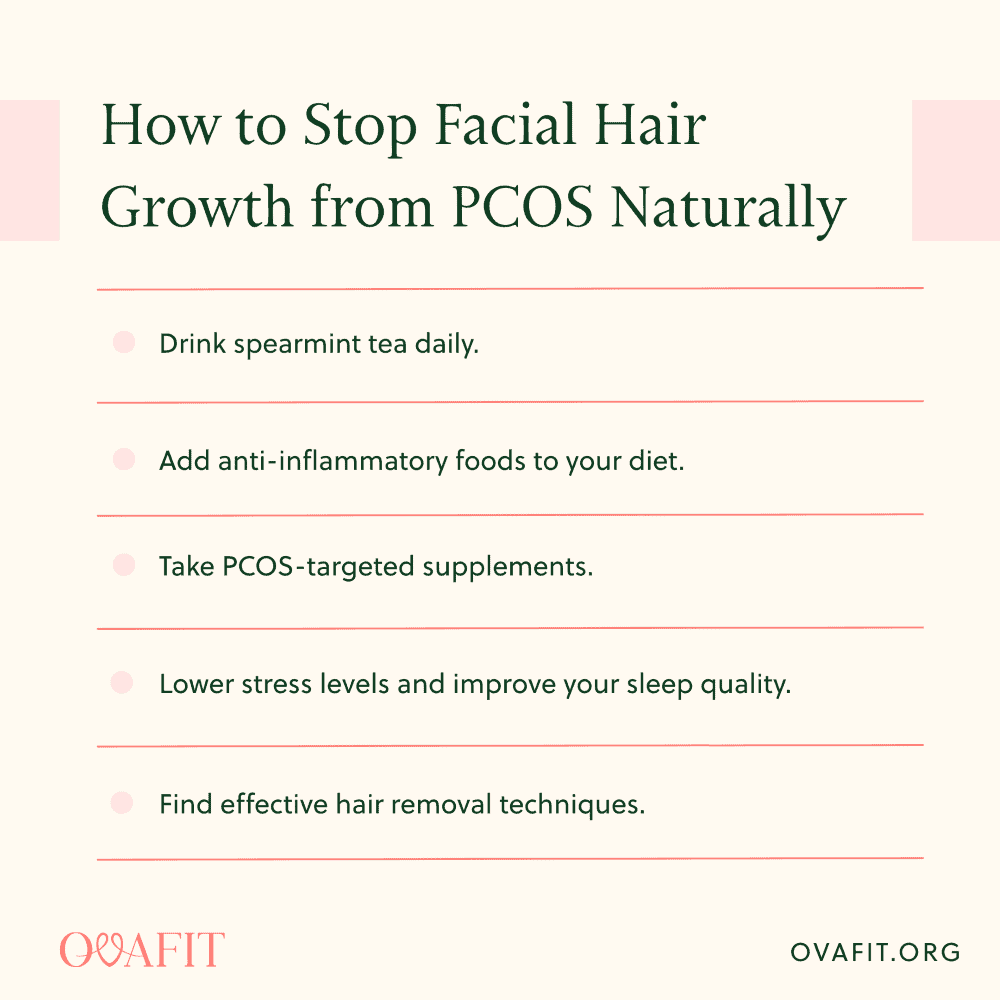
How to Stop Facial Hair Growth From PCOS Naturally
Drink spearmint tea daily.
A simple, natural way to help balance androgen levels and lower testosterone is by drinking one or two cups of spearmint tea each day. Spearmint has gentle anti-androgen properties, meaning it can help reduce both free and total testosterone levels over time. And when testosterone levels come down, there’s less available to convert into DHT.
That’s exactly why I included spearmint in my Testosterone Relief Tea, along with other supportive herbs that work together to balance hormones. Adding a cup or two to your daily routine is an easy step that may reduce facial hair growth.
Add anti-inflammatory foods to your diet.
I always recommend that Cysters start with a gluten- and dairy-free anti-inflammatory diet that prioritizes lean protein, fiber, and healthy fats. Why? Because this style of eating can improve insulin sensitivity, calm inflammation, and bring hormones back into balance. That includes lowering androgen levels.
Those anti-inflammatory foods really do make a difference. Chronic inflammation can intensify androgen-related symptoms, like unwanted facial hair, making them harder to manage. That’s why I encourage adding foods like berries, leafy greens, fatty fish, and extra virgin olive oil to your meals.
If you’re not sure where to begin, that’s exactly why I created The Cysterhood app. Inside, you’ll find hundreds of recipes designed for Cysters. They can help balance hormones, reduce inflammation, and improve insulin sensitivity, so you can take the guesswork out of eating for PCOS.
You can also find examples in my posts: “PCOS Chicken Recipes Your Hormones Will Love” and “PCOS-Friendly Breakfast Ideas.”
Take PCOS-targeted supplements.
A PCOS-friendly diet and consistent workout routine are powerful foundations for balancing your hormones. But sometimes your body needs a little extra support to really move the needle. That’s where targeted PCOS supplements can help.
When you use supplements designed to address the root issues behind PCOS, you give your body the tools it needs to rebalance and push back. Here are a few of my favorite supplements for lowering androgens and supporting hormone health:
- Berberine Advanced: A natural GLP-1 booster that can help improve insulin sensitivity, calm inflammation, and support sustainable weight loss.
- Inositol Complete: A clinically studied 40:1 ratio of myo- and D-chiro inositol that supports insulin balance and healthy ovarian function.
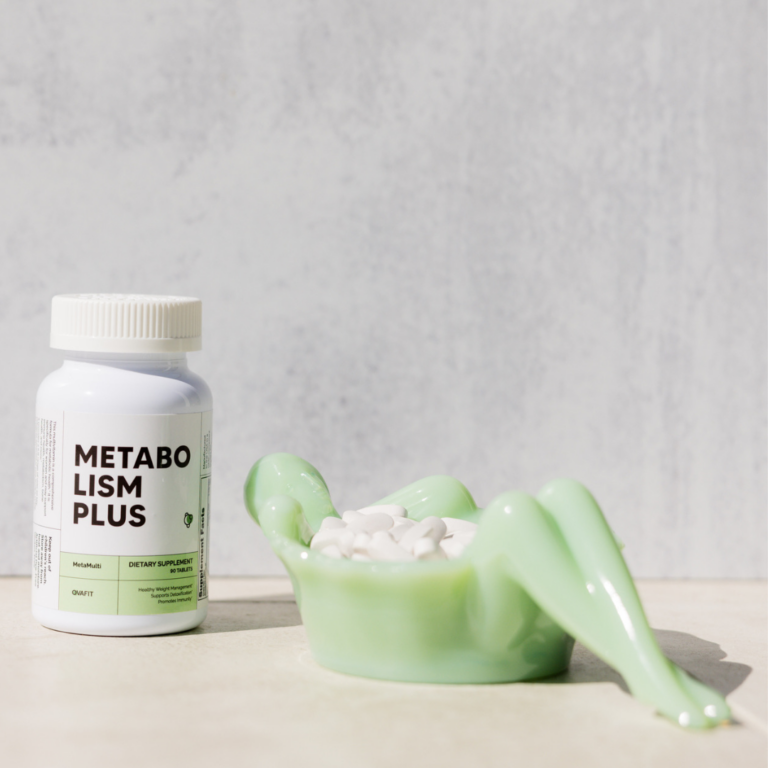
- Metabolism Plus: A targeted bundle designed to boost metabolism, reduce inflammation, and improve insulin sensitivity.
And when you choose supplements from Ovafit, you can feel confident in what you’re putting in your body. Our formulas are made with high-quality ingredients and are among the few PCOS supplements that are NSF-certified. That means they’re independently tested for safety and effectiveness.
Lower stress levels and improve your sleep quality.
Did you know that lowering cortisol (your stress hormone) and improving your sleep can play a big role in balancing hormones? That means it could reduce facial hair growth with PCOS.
Women with PCOS are more likely to experience higher stress levels and sleep issues. And when stress and poor sleep stick around, they can fuel hormone imbalances, inflammation, and insulin resistance.
That’s why daily stress management is so important. Simple habits like meditation, yoga, and taking time for relaxing activities can help calm your nervous system. Some women also benefit from supportive supplements to help lower cortisol levels. These include omega-3 fish oil, ashwagandha, and magnesium.
When it comes to a PCOS sleep routine, consistency is key. Try going to bed and waking up at the same time each day to help regulate your body’s internal clock. And don’t underestimate your sleep environment. Keeping your room cool, dark, and comfortable can make a big difference in sleep quality and overall hormone balance.
Find effective hair removal techniques.
As you work on balancing your hormones, it’s important to remember that healing takes time and patience. In the meantime, finding safe and effective ways to remove hair can make a big difference in your confidence.
Since PCOS-related facial hair tends to grow back quickly, many Cysters choose options like laser hair removal. This method targets the hair follicles directly, helping reduce future hair growth over time. Another benefit? It can lower the risk of ingrown hairs that often come with shaving or tweezing. Those painful bumps can sometimes become irritated and infected, giving you another problem to deal with.
Think of these methods as supportive tools while you work on root causes. As hormones begin to rebalance, many women notice hair growth slows and becomes easier to manage.
Take control of your PCOS and reverse facial hair growth with help from Ovafit and The Cysterhood.
Even though PCOS is one of the most common endocrine conditions in women, it’s also one of the most misunderstood. And when you’re dealing with facial hair growth, it can feel like a frustrating cycle, especially if you don’t fully understand why it’s happening. But knowledge is power!
The more you learn about PCOS, the more you start to connect the dots. You begin to understand what’s going on in your body. Most importantly, you learn what you can do to balance your hormones and take control of stubborn symptoms.
And you don’t have to do it alone. With support from The Cysterhood community and Ovafit, you can build healthy habits and take real steps toward long-term healing. If you want to keep learning, be sure to check out my podcast A Cyster and Her Mister. I share conversations with experts and practical tips to help you navigate your PCOS journey.