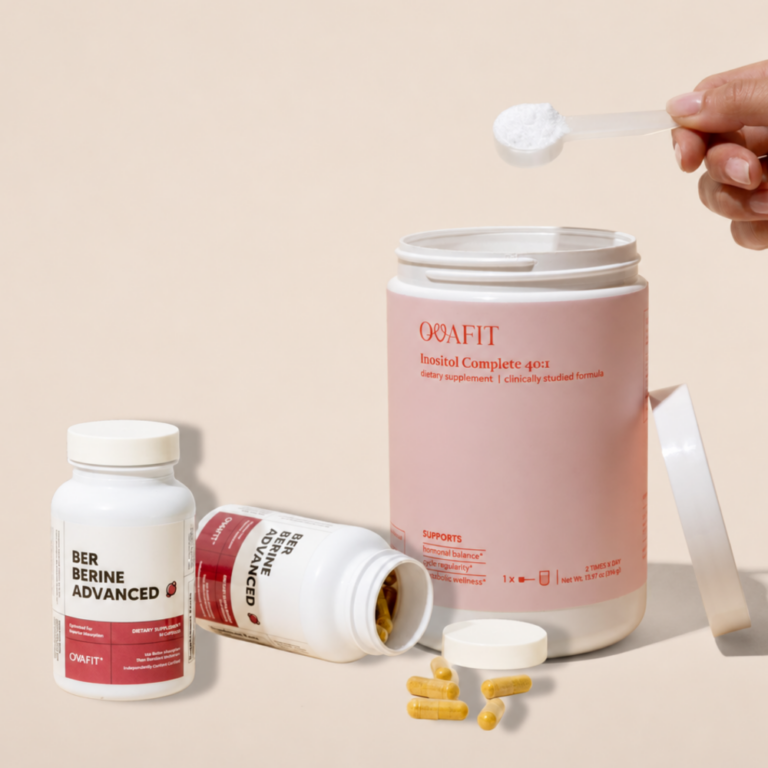

Polyendocrine metabolic ovarian syndrome (PMOS), formerly polycystic ovary syndrome (PCOS), affects millions of women of childbearing age. And yet around 70% of those living with it never receive a diagnosis.
That’s not because PMOS is rare, it’s because symptoms can look different for everyone. Some women with PMOS experience irregular periods and weight gain. Others deal with excess hair growth, acne, fatigue, or mood changes. And many experience a combination of symptoms that shift over time. Without a clear, consistent picture, it’s easy for symptoms to be dismissed or misattributed to something else entirely.
Understanding what PMOS actually looks like is one of the most important steps you can take for your health. And that’s exactly what this post is here to help with! I’ll walk through the most common PMOS symptoms and explain how the condition affects more than just reproductive health. I’ll also break down how doctors diagnose PMOS, so you know exactly what questions to ask. By the end, you’ll have a clearer picture of how PMOS symptoms show up and what to do if you have them.
What Are the Symptoms of PMOS? What to Look For
PMOS symptoms show up differently for every woman, and there’s a real reason for that. Different types of PMOS have different root drivers. That means the way it presents can vary quite a bit from one woman to the next. And if you’ve spent time on hormonal birth control pills? They can mask symptoms for years, making it even harder to connect the dots.
But here’s why understanding this matters so much. When you know what to look for, you’re in a much better position to recognize what’s happening. And that awareness is often the first step toward finding real relief.
Understanding that your symptoms are connected to hormone imbalances means you can start addressing the root cause with a treatment for PMOS. That’s going to give you so much more relief than just managing symptoms on the surface.
What Is PMOS?
PMOS is a complex endocrine and metabolic condition that affects women during their reproductive years. Previously named PCOS, the recent name change recognizes something important: PMOS isn’t solely a reproductive condition. It involves hormonal imbalances, irregular ovulation, and metabolic changes that affect the entire body. Beyond this, it also features common root drives, such as insulin resistance, chronic inflammation, and excess androgen levels.
For many women, PMOS symptoms make daily life feel harder than it needs to be. They deal with persistent fatigue, difficulty managing weight, acne that won’t clear, and so much more. It’s a lot to navigate, and it’s valid to feel frustrated by it.
For a deeper look at the condition itself, check out my dedicated post “What Is PMOS?”
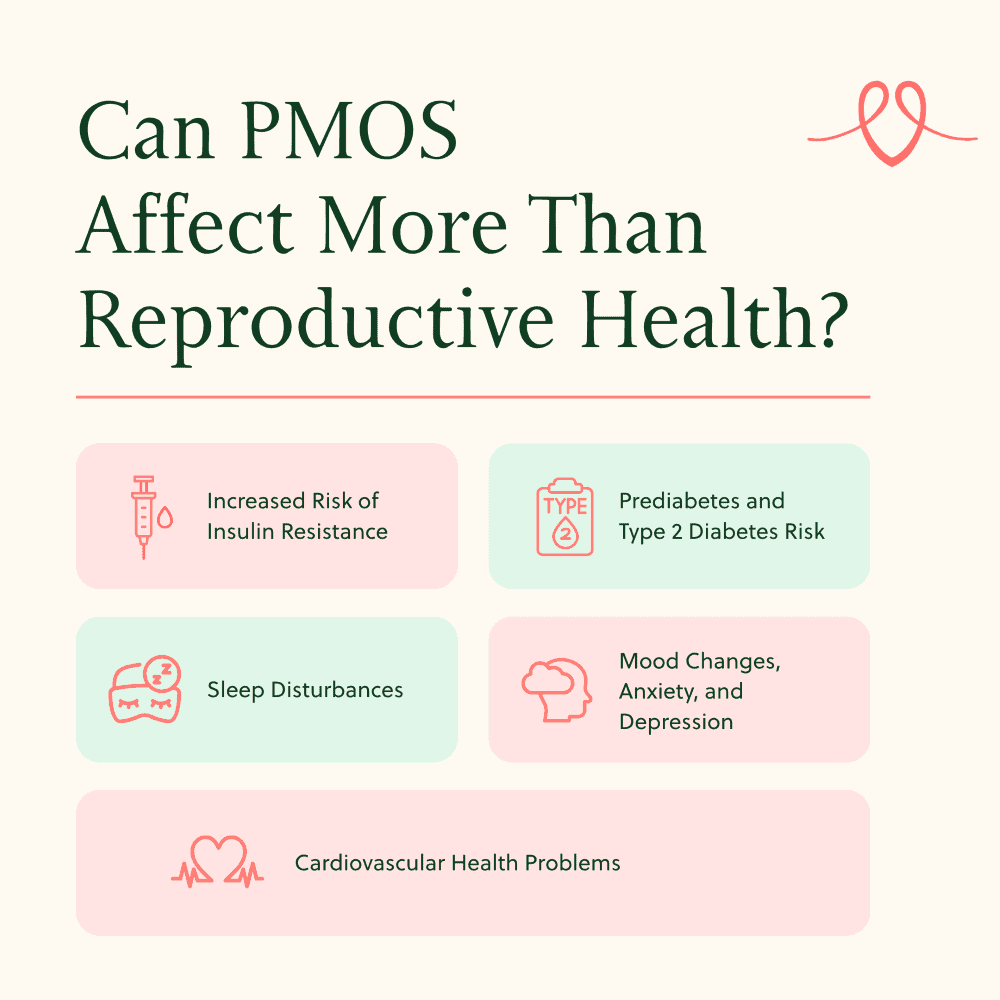
Can PMOS Affect More Than Reproductive Health?
Increased Risk of Insulin Resistance
Up to 70% of women with PMOS deal with insulin resistance, making it one of the most common root drivers. It’s what happens when your body struggles to process glucose properly. Instead of converting it into usable energy, the body stores it in the bloodstream, causing blood sugar levels to spike.
This cycle contributes to weight gain, persistent fatigue, and deeper hormonal imbalances. For many women, reversing insulin resistance is one of the most important pieces of the healing journey.
Prediabetes and Type 2 Diabetes Risk
Research shows that more than 50% of women with PMOS will develop type 2 diabetes by the age of 40. I don’t say this to make you anxious; I say it to bring awareness.
When insulin resistance goes unaddressed, the pancreas works harder and harder to meet the demand for insulin. Over time, it struggles to maintain that output, which increases the risk of prediabetes and type 2 diabetes.
Elevated androgens and chronic inflammation add another layer to this. Both can worsen insulin sensitivity, which means they feed directly into the cycle rather than existing separately from it. For women with PMOS, this is exactly why addressing root causes early matters.
Sleep Disturbances
Sleep disturbances are more common in women with PMOS than most people realize. And here’s the thing: poor sleep can make symptoms significantly worse.
Around 21% of of women with PMOS also deal with sleep apnea, a rate much higher than in the general population. There are a couple of reasons for this. Elevated androgens can interfere with how the brain regulates breathing during sleep. Sometimes, this causes breathing to stop and restart throughout the night. Weight gain related to insulin resistance can also narrow the airway, compounding the problem.
If you’re struggling to get quality sleep, my post “How to Sleep Better with PMOS” is a good place to start.
Mood Changes, Anxiety, and Depression
PMOS doesn’t just affect your body physically. It can have a real impact on your mood too, and that connection is more direct than you might realize.
Hormonal fluctuations can disrupt the balance of neurotransmitters like serotonin and dopamine. These are the chemicals that regulate how you feel day to day. And when those levels are off, mood swings can follow.
Anxiety is another symptom that many women can experience, and it’s often rooted in low progesterone. When ovulation is irregular or absent, your body produces less progesterone. That means your nervous system misses out on the calming effect that progesterone provides.
And then there’s the gut-brain connection, which often gets overlooked. Chronic inflammation can contribute to gut issues, and those can directly affect your mood. When inflammatory cytokines cross the blood-brain barrier, they can interfere with serotonin production. And that’s a key driver behind depression in women with PMOS.
If you’re struggling with mood changes, my podcast episode “A Balancing Act: Navigating Mood Swings & PMOS” is worth a listen.
Cardiovascular Health Problems
Insulin resistance, chronic inflammation, and elevated testosterone levels affect more than just your hormones. In fact, they can take a toll on your cardiovascular health, too.
Women with PMOS are more likely to experience high blood pressure and face a higher risk of cardiovascular disease. High cholesterol and visceral fat, both common in PMOS, are often the connecting factors.
For a deeper look at how this plays out, check out my post “PCOS and High Cholesterol.”
What Are the Most Common Symptoms of PMOS?
Irregular Menstrual Cycles
Irregular periods are one of the most common symptoms of PMOS. When hormonal imbalances interfere with ovulation, your cycle can become unpredictable, sometimes running late or skipping months altogether. That said, it’s worth knowing that some women with PMOS do have regular periods. A regular cycle on its own doesn’t rule out the condition. And that’s what makes PMOS so easy to miss!
When ovulation is irregular, the uterine lining can build up rather than shed as it normally would during a period. This buildup can increase the risk of uterine cancer. That’s why it is so important to monitor and manage PMOS beyond just symptom relief.
Excessive Hair Growth
When you have elevated androgens, excessive hair growth on the face and body is a really common symptom. Many women notice dark, coarse hairs appearing on the chin, upper lip, or arms. And the frustrating part is that removing them only ever feels temporary. They keep coming back because you aren’t addressing the root cause.
For a deeper look at how to target this naturally, check out my post “How to Stop Facial Hair Growth.”
Persistent Acne
Excess androgens are also one of the primary drivers behind hormonal acne in women with PMOS. This isn’t the same as a typical breakout. PMOS-related acne tends to show up along the chin, jawline, and neck. Sometimes, it appears on the chest or back, too. This acne sits deeper under the skin, feels tender to the touch, and is often cystic and inflamed.
Because of how deep this type of acne forms, it’s more likely to leave behind dark marks or scarring. It can be really discouraging, especially when conventional skincare approaches don’t seem to make a dent.
If this sounds familiar, my post “Treating Acne from PMOS Naturally” walks through how to start addressing it at the root.
Weight Management Difficulties
Difficulty managing weight is one of the most frustrating experiences for women with PMOS. However, it’s not a matter of willpower or effort. Hormonal imbalances, chronic inflammation, and insulin resistance all work against your body’s ability to regulate weight. And that’s the key here. What works for a woman without PMOS doesn’t necessarily work for those of us with it. The approach has to match the root cause.
A good place to start is with a gluten- and dairy-free anti-inflammatory diet that prioritizes lean protein, fiber, and healthy fats. Pairing that with low-impact movement can make a major difference. Small, consistent steps tend to go further than overhauling everything at once.
The Cysterhood app is a great resource for putting this into practice. It has hundreds of hormone-balancing recipes and workout routines specifically to support your body without spiking cortisol. For a little extra support, Berberine Advanced can help naturally increase GLP-1 production to improve insulin sensitivity.
Want to blend the benefits of protein and GLP-1 production? Check out our Crave Control Protein! It contains DygloFit®, a natural fruit extract clinically proven to boost GLP-1 by 61%, along with functional ingredients like a triple-plant protein blend, chromium, and cinnamon. Even better? It’s 100% plant-based, vegan, gluten-free, soy-free, dairy-free, and made with real vanilla.
Hair Thinning or Hair Loss
Hair loss or thinning on the scalp, also known as female-pattern baldness, is another symptom connected to elevated androgens. And I’ll be honest, it can feel particularly distressing for many women.
Now, let me clear up some confusion. Excess androgens can trigger hair growth on the face and body while simultaneously causing hair on the scalp to thin. That’s because elevated testosterone can cause scalp hair follicles to shrink, eventually slowing or stopping hair production altogether. It’s the same root driver, but it shows up in opposite ways.
Have you noticed more hair coming out in your brush? Check out my guides “Supplements for PCOS Hair Loss” and “PCOS Hair Regrowth.”
Fertility Issues
PMOS can affect fertility by disrupting or delaying ovulation. For many women, struggling to conceive is actually what leads them to a diagnosis. It’s one of the most emotionally challenging aspects of the condition, and it’s important to acknowledge that.
Irregular ovulation can also cause small, fluid-filled sacs to form on the ovaries. This is another recognized symptom of PMOS and part of what makes the condition so multifaceted.
The encouraging news is that there are real, evidence-based ways to support your fertility and improve ovulation naturally. My posts “Supplements to Boost Fertility” and “Foods for Healthy Ovaries and Uterus” are a good place to start.
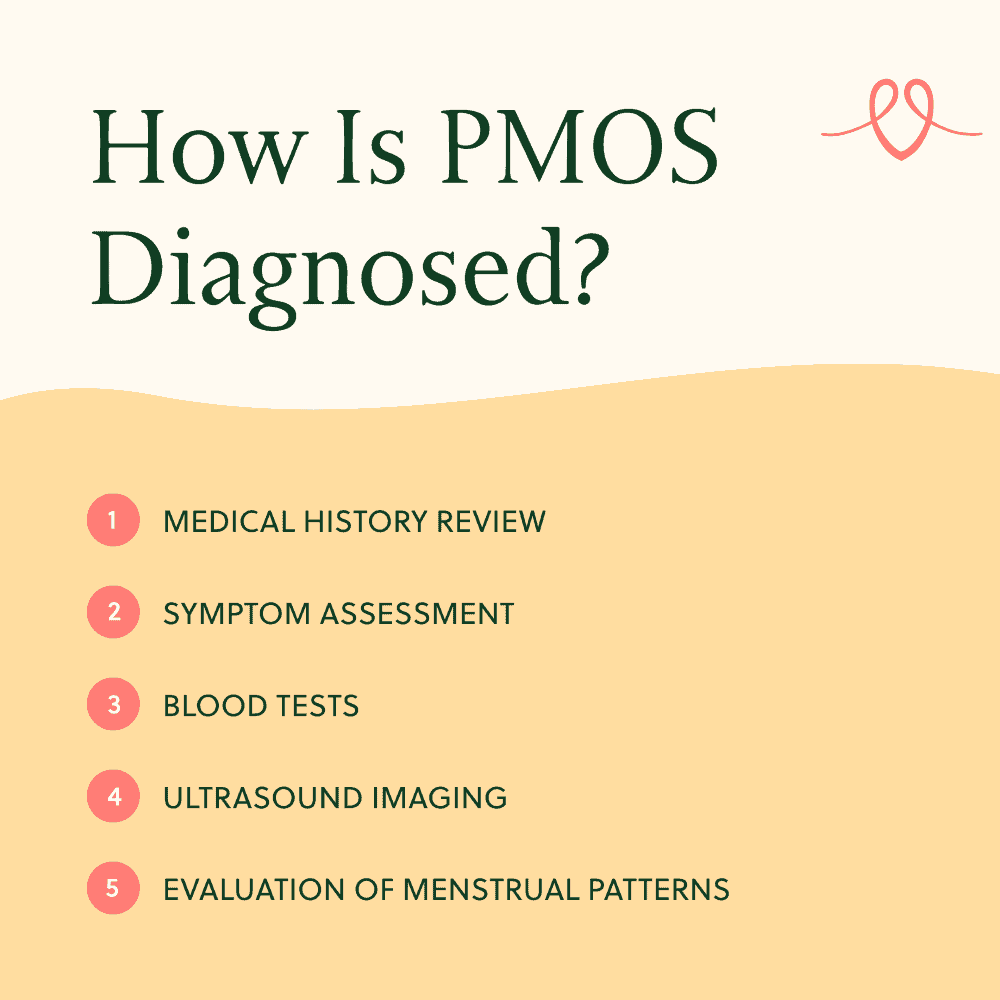
How Is PMOS Diagnosed?
Medical History Review
When you sit down with your doctor, one of the first things they’ll look at is your medical history. That’s because PMOS has a genetic component, meaning if other women in your family have been diagnosed, your own risk may be higher. Your doctor will use that history as a starting point for understanding the full picture.
Symptom Assessment
Before your doctor’s appointment, it can be really helpful to track your symptoms over a few weeks and write them down. Keep track of things like weight gain, fatigue, mood changes, hair loss, excess hair growth, or acne. The more detail you can bring, the better.
Doctors diagnose PMOS through a process of elimination, partly because its symptoms can overlap with other conditions. Having a clear overview of what you’ve been experiencing gives your doctor a much stronger foundation to work from.
Blood Tests
Your doctor will likely order blood tests to get a clearer picture of what’s happening hormonally. This typically includes testing your androgen levels, fasting insulin levels, inflammatory markers, and thyroid hormones. Those numbers help identify the root drivers behind your symptoms and point toward a diagnosis.
For a full breakdown of what your doctor looks for and why, my post “Blood Workup for PCOS” walks through everything in detail.
Ultrasound Imaging
An ultrasound is a standard part of the diagnostic process. A technician will examine the ovaries for what’s known as a “string of pearls,” a pattern of small follicles that is a recognized sign of PMOS.
That said, not every woman will show this on imaging, and that doesn’t mean PMOS isn’t present. It simply means your doctor will lean more heavily on your hormone levels and menstrual patterns to build the full picture.
Evaluation of Menstrual Patterns
Your menstrual history is an important piece of the puzzle. Your doctor will want to know how regular your cycles are, whether ovulation appears to happen consistently, and what your periods are like. Light, heavy, painful, or unpredictable periods are all relevant information.
If you haven’t already started tracking your cycle, now is a great time to begin. The more detail you can bring to that conversation, the clearer the picture your doctor can build.
Learn more about how your period can show up in our post, “PMOS Blood Clots: Why They Happen and How to Prevent Them.”
Begin your natural PMOS healing journey with Ovafit and The Cysterhood.
Understanding your symptoms is the first step toward real change. Figuring out the why behind your fatigue, weight gain, mood swings, and hair issues means identifying the root drivers behind your PMOS. And that’s when things start to shift. Remember, the earlier you address those root causes, the better your long-term health outcomes can be.
But here’s something I want you to know: you don’t have to figure this out alone. I’ve been where you are, and I know how isolating and exhausting it can feel to search for answers without getting them. That’s exactly why I created The Cysterhood app, a space where women with PMOS can connect and find support. Plus, it has the tools to build a hormone-friendly lifestyle that actually works for their body.
And when you’re ready to give your body a little extra support, Ovafit’s PMOS supplements work alongside your lifestyle changes. They can help balance hormones, improve insulin sensitivity, and regulate ovulation.