Polycystic ovary syndrome (PCOS), now called polyendocrine metabolic ovarian syndrome (PMOS) is a hormonal condition that affects women of reproductive age. And as a woman with PMOS, you probably already know the condition comes with a lot of different symptoms. Heavy or irregular periods, trouble with weight loss, fatigue, skin changes, and hair loss are just a few of the challenges with PMOS may experience.
And if you’re dealing with hair thinning or hair loss, I know how frustrating it can be. I’m Tallene, a registered dietitian specializing in PMOS with the condition myself, and I’ve seen how hormone imbalances, insulin resistance, inflammation, and nutrient deficiencies can all play a role in hair health.
Supporting your body through lifestyle changes (a gluten- and dairy-free diet, low-impact movement, and quality sleep) matters. However, supplements can help fill specific nutritional gaps and support your overall PMOS management plan, which is exactly what I’m here to talk about today.
Below, I’m sharing the supplements worth considering when you’re dealing with PMOS hair loss. I’ll also talk about why PMOS can cause hair loss in the first place, and share what the research has to say about supplementation throughout the process:
What Causes Hair Loss with PCOS?
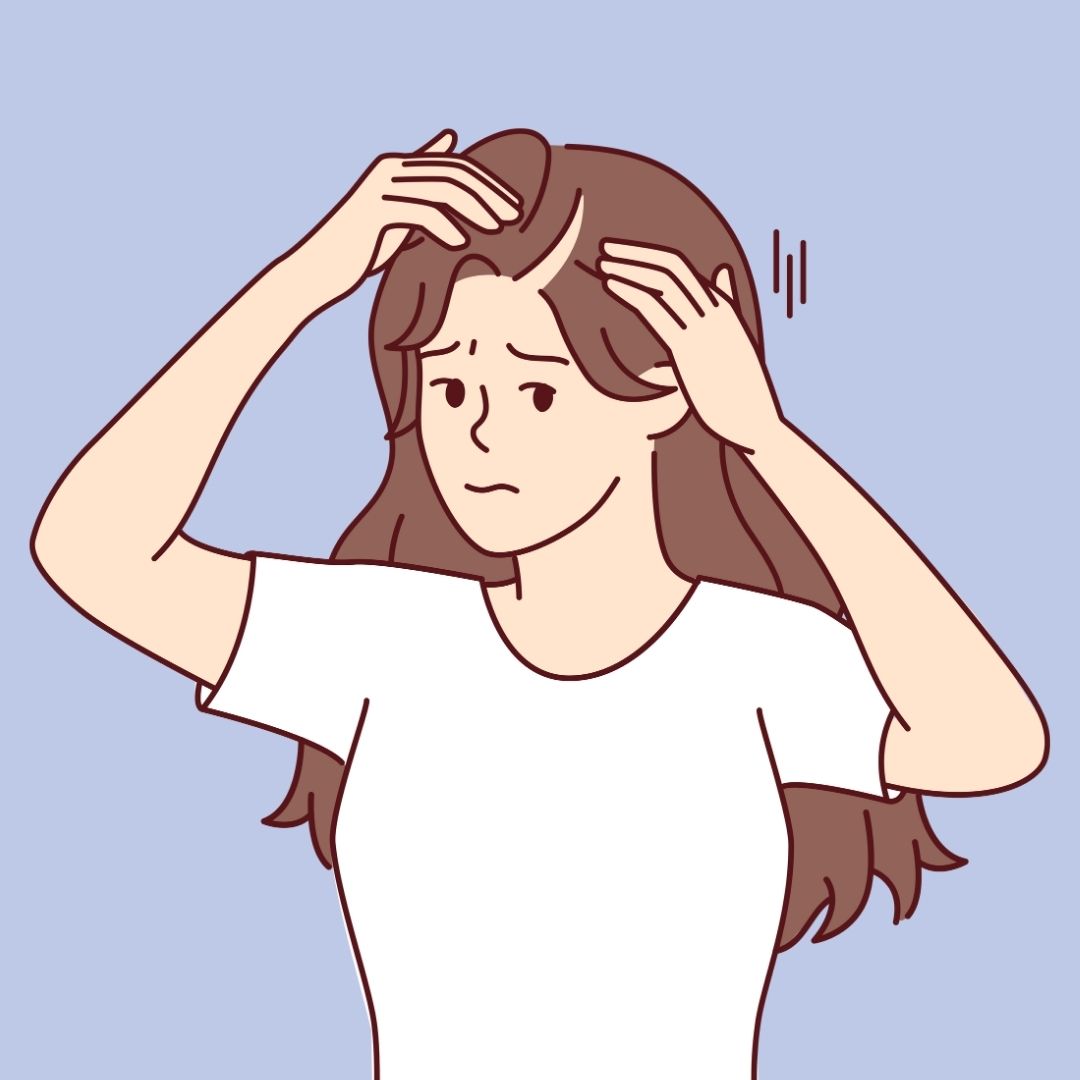
Hair loss associated with PCOS (PMOS) often follows a pattern known as androgenetic alopecia, or female pattern hair loss. Instead of losing hair evenly across the scalp, you may notice gradual thinning around your part or across the top and crown of your head while your front hairline stays relatively the same.
One reason this can happen with PMOS is excessive androgens. Testosterone can be converted into a more potent androgen called dihydrotestosterone (DHT). In hair follicles that are sensitive to androgens, DHT can contribute to a process called follicular miniaturization. Over time, the follicles produce shorter, finer hairs, and the hair’s active growth phase becomes shorter.
However, your level of androgens isn’t the whole story. Many women with female pattern hair loss have normal androgen levels, which means genetics and the sensitivity of individual hair follicles can also play a role. With PMOS, factors such as insulin resistance, nutritional deficiencies, and additional hormonal imbalances may affect hair health as well.
This is also why PMOS hair loss can look different from the pattern commonly seen in men (male pattern baldness). Women are more likely to experience diffuse thinning across the top of the scalp or a widening part rather than a dramatically receding hairline or distinct bald spots.
Medical Treatments for PCOS Hair Loss
Supplements aren’t necessarily the only treatment for managing PMOS-related hair loss. Depending on what’s contributing to your thinning, your doctor or dermatologist may recommend medication alongside nutrition and lifestyle changes.
Topical minoxidil is an FDA-approved treatment for female pattern hair loss. It’s applied directly to the scalp and can help support hair regrowth with consistent use. Because results take time and generally need to be maintained with continued treatment, talk with your healthcare provider about whether minoxidil makes sense for your PMOS management plan.
For women with signs of excessive androgens, spironolactone may also be prescribed. This medication has anti-androgen effects, which can make it useful when high levels of androgens are contributing to hair loss. However, spironolactone is used off-label for female pattern hair loss and, generally, isn’t appropriate during pregnancy.
The right approach depends on the cause of your hair loss, your symptoms, and your health history. Supplements can be part of that plan, especially when they address a nutritional deficiency or support your overall PMOS management plan. However, they should work alongside appropriate medical care rather than replace it.
10 Best Supplements for PCOS Hair Loss
Zinc
As I mentioned, one of the main culprits for PMOS hair loss is high androgen levels. Elevated male sex hormones like testosterone and dihydrotestosterone (DHT) are common in women with PMOS and can lead to hair thinning, hair loss, and unwanted facial hair growth. So, to tackle this, improving sex hormone balance is key!
Zinc is an essential mineral involved in cell growth, protein synthesis, and normal hair follicle function. When zinc levels are low, hair health can suffer, which is why checking for nutritional deficiencies can be an important part of figuring out what’s contributing to thinning.
There’s also some PMOS-specific research worth noting. In one small randomized controlled trial, women with PMOS who took zinc for eight weeks experienced an improvement in alopecia compared with the placebo group. However, zinc didn’t significantly change their hormone levels, so I wouldn’t think of it as a supplement that directly lowers or “balances” testosterone.
Adult women generally need 8 mg of zinc per day, though your specific dosage may differ depending on what your healthcare provider recommends.
Biotin
You’ve probably heard of biotin for hair and nail strength. It’s a pretty popular one! However, biotin on its own will probably not fix your PMOS hair problems, since it doesn’t really target the root of the hormonal issues or nutrient deficiencies. But, it can help with growth and it’s a great support when your hair does return to make sure the strands are healthy! Biotin stimulates the production of keratin, which makes up the structure of hair, giving it good texture, feel, and strength!
Data shows that adult women generally need 30 micrograms (mcg) of biotin for general supplementation, though clinical trials often use 2,500 to 5,000 mcg per day. Always talk with your doctor to see which range is right for you.
Iron
Iron is an essential mineral that your body needs for red blood cells and oxygen transport. Low iron stores have also been associated with some forms of hair loss in women, making iron status something worth looking at if you’re experiencing increased shedding or thinning. Research has found that women with non-scarring hair loss tend to have lower ferritin levels than women without hair loss, although the exact relationship between iron and hair growth is still being studied.
Generally, adult women need 18 mg of iron per day. However, before adding an iron supplement, ask your healthcare provider to check your iron levels, including ferritin, which helps show how much iron your body has stored. Unlike many of the other nutrients on this list, iron isn’t something I recommended supplementing “just in case.” Taking too much can cause side effects and, at high enough levels, can be harmful.
Omega-3
Omega-3 fatty acids are another one of those supplements that can help with lots of PMOS side effects. Omega-3 has been shown to help regulate menstrual cycles, lower bad cholesterol, improve mood, and more!
It helps reduce hair loss by lowering inflammation and improving insulin resistance in women with the condition. Why do these two things matter for hair loss? Well, inflammation, insulin resistance, and hormonal imbalance all work together in this awful cycle. So, when you, let’s say, improve insulin levels, you can see an improvement in inflammation and hormone balance as well.
The recommended dietary allowance for women is 1.1 grams of alpha-linolenic acid per day, but always check with your healthcare provider before incorporating additional supplementation.
Vitamin D
Vitamin D does a lot more than support bone health. Vitamin D receptors are also found in hair follicles and play a role in the normal hair growth cycle. Research has found associations between low vitamin D levels and several types of hair loss, although we still need more research to understand whether supplementation directly improves hair growth in people who aren’t deficient.
Vitamin D status is also worth paying attention to with PMOS. Low vitamin D levels are common among women with the condition, and researchers continue to study how vitamin D may relate to metabolic and reproductive aspects of PMOS.
Before adding a high-dose vitamin D supplement, ask your healthcare provider about a 25-hydroxyvitamin D blood test. Your starting level matters when determining how much you actually need, so there isn’t one supplemental dose that’s right for everyone.
Niacin
Niacin, or vitamin B3, is an essential nutrient your body uses to help turn food into energy and support normal cell function. Like other essential vitamins and minerals, getting enough niacin is part of maintaining your overall health, including the processes that support healthier hair and skin.
You may see claims that niacin can directly stimulate hair growth, but the research isn’t strong enough to say with confidence. One small study found that topical niacin derivatives improved hair fullness in women with female pattern hair loss, but the research looked at ingredients applied to the scalp, not oral niacin supplements.
Adult woman generally need about 14 mg of niacin equivalents (NE) per day, which many people can get through foods like chicken, fish, nuts, legumes, and fortified grains.
Vitamin E
Vitamin E is a fat-soluble antioxidant that helps protect your cells from oxidative stress. Because oxidative stress has been studied in relation to both PMOS and hair health, vitamin E may sound like an obvious supplement for hair loss. However, research is still pretty limited.
One small study found that supplementation with tocotrienols, compounds in the vitamin E family, increased hair counts in people experiencing hair loss. However, there isn’t enough evidence to say that vitamin E supplements treat androgenic alopecia or PMOS-related hair loss specifically.
Adult women generally need 15 mg of vitamin E per day, and you can find it naturally in foods like nuts, seeds, vegetable oils, and leafy greens. I don’t recommend taking high-dose vitamin E specifically for hair growth without talking to your healthcare provider first.
Vitamin C
Vitamin C is probably best known for supporting immune health, but it has a few other jobs that matter for healthy hair. Your body needs vitamin C to produce collagen, and it also helps you absorb iron from plant-based foods. That second benefit can be especially relevant if low iron levels are contributing to your hair loss.
Vitamin C also acts as an antioxidant, helping protect cells from oxidative stress. However, I wouldn’t rely on vitamin C supplements to lower testosterone or directly treat PMOS-related hair loss. There simply isn’t enough evidence to make those claims.
Adult women generally need 75 mg of vitamin C per day, and many people can meet that amount through foods like citrus fruits, strawberries, bell peppers, broccoli, and tomatoes. If you choose to supplement, keep in mind that high doses can cause digestive side effects like nausea, diarrhea, and stomach cramps.
Inositol
Inositol is one of my favorite supplements for PMOS (and one of the most popular!), particularly because of its potential role in insulin signaling and metabolic health. Since insulin resistance can contribute to the hormonal imbalances associated with PMOS, supporting insulin sensitivity may be one piece of a broader approach to managing symptoms.
Research suggests that inositol may improve some metabolic measures in women with PMOS. Rather than looking at it as a standalone treatment, though, consider it one tool for supporting factors that can influence your overall PMOS picture.
Myo-inositol and D-chiro-inositol are two forms commonly used in PMOS supplements, often together. You’ll frequently see products that provide them in a 40:1 ratio, including my Inositol Complete 40:1. This can be a meaningful addition for supporting insulin resistance, androgen levels, hormonal imbalances, and egg quality. However, always talk with your healthcare provider, as there isn’t one universal dosage recommendation for inositol.
Collagen
For this last one, we’re talking about collagen! As you might have guessed, collagen can help with hair loss! It doesn’t get to the root issues of hormone balance and insulin resistance. However, as you improve those issues, collagen can help the hair grow back thick, strong, and super healthy.
You can naturally get collagen through bone broth, chicken, fish and shellfish, and gelatin. However, a protein powder with collagen may also help ensure you meet the daily recommended amount of 2.5 to 15 grams of hydrolyzed collagen.
Testosterone Relief Tea
Not all supplements come in powder or pill form; teas are a great way to get nutritional value from beneficial herbs. Herbal teas like spearmint tea, nettle tea, and calendula tea, have all been shown to help with hair health. Instead of drinking three different teas, grab an herbal tea blend like my Testosterone Relief Tea! Not only can it help with hair loss, but this strategic tea blend can also ease other PMOS symptoms like acne, irregular periods, and mood swings.
Other Ways to Improve Hair Health with PCOS
Supplements are a great start, but they’re not the only way to support healthy hair with PCOS. Once you’ve established a consistent supplement routine, try adding these next steps:
- Stress Management
- Gluten- and Dairy-Free Anti-Inflammatory Diet
- Improved Sleep Hygiene
- Slow-Weighted Workouts
- Platelet-Rich Plasma (PRP) Therapy
- Low-Level Laser Therapy (LLLT)
How Long Does It Take to See Results?
When you’re dealing with hair loss, it’s completely understandable to want results ASAP. But hair grows slowly, so changes usually aren’t something you’ll notice after a few weeks.
In general, give your hair loss plan at least three to six months before evaluating your progress. Depending on what’s causing your hair loss and the treatment you’re using, it may take even longer to notice a meaningful difference. For example, treatments for female pattern hair loss are often assessed around the six-month mark because visible improvement takes time.
You may also notice changes in stages. Reduced shedding can happen before you see obvious new growth, and improvements in thickness or density can take longer still. Taking progress photos every few months can make subtle changes easier to spot.
Most importantly, make sure you’re addressing the actual cause of hair loss. If hair thinning is sudden, severe, patchy, or continuing to get worse, talk with your doctor or dermatologist. They can help determine whether PMOS, a nutritional deficiency, another health condition, or a combination of factors may be contributing.
The right supplements can help address PMOS symptoms like hair loss!
I know, I know, this list of supplements is a bit overwhelming, but don’t pull your hair out! (Pun intended.) I’m all too familiar with how stressful going through the vitamin aisle at the grocery store is. You obviously can’t take it all and is what on the shelf even good? What about dosing? When do I even take it? Is it right for PMOS? All those questions are valid and I remember asking all of them during my own PMOS healing journey! That’s why I became a registered dietitian and started The Cysterhood. I knew I wanted to start my supplement line specifically curated for a PMOS body.
Of course, talk to your doctor before starting any new supplements. They will know what’s best for you. While you wait for your appointment, read up more on PMOS vitamins on the blog and download The Cysterhood App for more support, resources, and information to help you heal your PMOS and live symptom-free!