Polycystic ovary syndrome (PCOS) is one of the most common causes of infertility in women. With about 1 in 10 women living with PCOS, this complex and often misunderstood hormone condition can create real challenges when it comes to getting pregnant.
But fertility isn’t the only thing PCOS can affect. Because hormones are all connected, many Cysters also experience symptoms like irregular periods, stubborn weight gain, acne, or excessive hair growth on the face and body. In this post, though, I’m focusing specifically on how PCOS can impact fertility.
I’ll discuss what’s happening inside your body, whether every woman with PCOS is infertile (spoiler: no), and effective ways to support ovulation and fertility. Whether you’re actively trying to get pregnant or simply want to understand your body better, this guide is here to help you take back control of your fertility journey.
Does PCOS Cause Infertility? What Doctors Don’t Always Explain
Yes, PCOS can be a direct cause of infertility. Irregular menstrual cycles and hormone imbalances can disrupt ovulation, making it harder to conceive.
But here’s something I want every Cyster to hear: infertility does not define PCOS.
By understanding how your hormones, insulin levels, and ovulation are connected, you can make more confident decisions about your health. And with the right lifestyle changes and targeted support, many women with PCOS are able to restore ovulation and improve fertility naturally.
It’s also important to address PCOS early, even if you’re not trying to conceive. When left unmanaged, you have a higher risk of developing long-term health conditions like type 2 diabetes, high blood pressure, and heart disease. But when you take action through nutrition, movement, stress management, and supplements, you set yourself up for long-term success.
And when it comes to fertility, there are absolutely steps you can take to improve your chances of conceiving. That’s exactly what I’m going to walk through in this post.
Does Everyone with PCOS Become Infertile?
No, not every woman with PCOS experiences infertility. That’s because PCOS shows up differently for everyone. It’s a spectrum condition, not a one-size-fits-all diagnosis. And that’s why finding a treatment plan tailored to your body is so important.
Some women with PCOS still ovulate and have normal periods. In those cases, they may be able to conceive naturally without fertility treatments. However, they might still experience other symptoms, like fatigue, weight changes, acne, or insulin resistance, which can affect other areas of their health.
Understanding where you fall on the PCOS spectrum is a powerful step toward taking control of your hormones and your fertility. And if you want to learn more about how PCOS presents itself, I have the perfect resource. Check out my post “PCOS Types: How to Identify Which Type You Have.”
What Percent of Women with PCOS Are Infertile?
Studies show that up to 72% of women with PCOS experience infertility at some point. This is usually due to hormone imbalances that disrupt ovulation. When ovulation is inconsistent or doesn’t happen at all, the ovaries aren’t able to release an egg. This makes conception much more difficult.
For comparison, the infertility rate among women without PCOS is around 4.8%. This makes you realize just how much hormone balance can impact fertility.
Women with PCOS may also face additional challenges during pregnancy if they do conceive. There can be a higher risk of complications like miscarriage, gestational diabetes, preeclampsia, and preterm labor. But here’s the encouraging part: there is so much you can do to improve your chances. With the right fertility support, many Cysters go on to conceive and have healthy pregnancies! (I’m proof of this!)
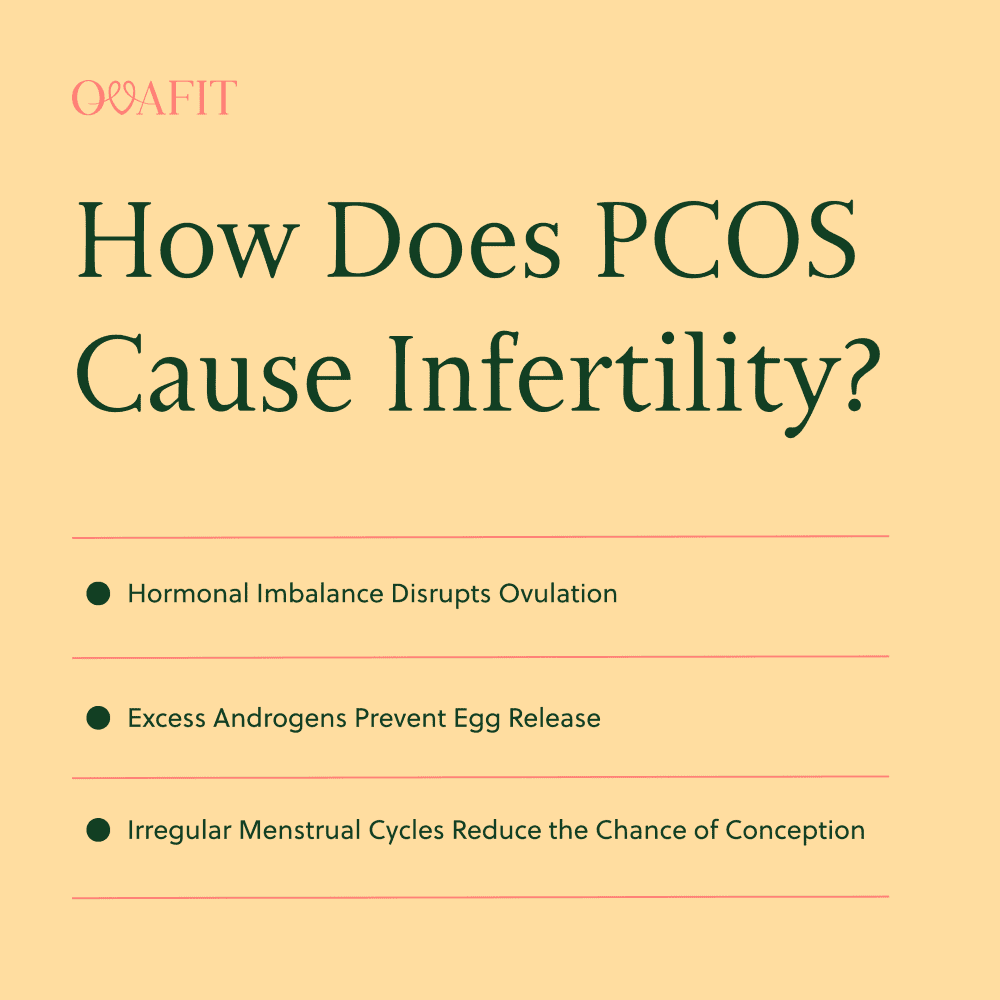
How Does PCOS Cause Infertility?
Hormonal Imbalance Disrupts Ovulation
When your hormones are out of balance, ovulation can easily get thrown off. More specifically, a few key hormones play a major role here, including insulin, progesterone, testosterone, LH (luteinizing hormone), and FSH (follicle-stimulating hormone). These hormones work together like a team to signal your ovaries to mature and release an egg each month.
But when there’s too much or too little of any of them, that signal can get disrupted. The result is irregular menstrual cycles and missed ovulation, making it harder to conceive.
Excess Androgens Prevent Egg Release
When androgen levels (AKA male hormones like testosterone) are too high, it can interfere with ovulation. Excess testosterone can prevent the egg from fully maturing inside the ovary. And if the egg doesn’t mature, it can’t be released. That means ovulation doesn’t happen, which can lead to irregular cycles and fertility challenges.
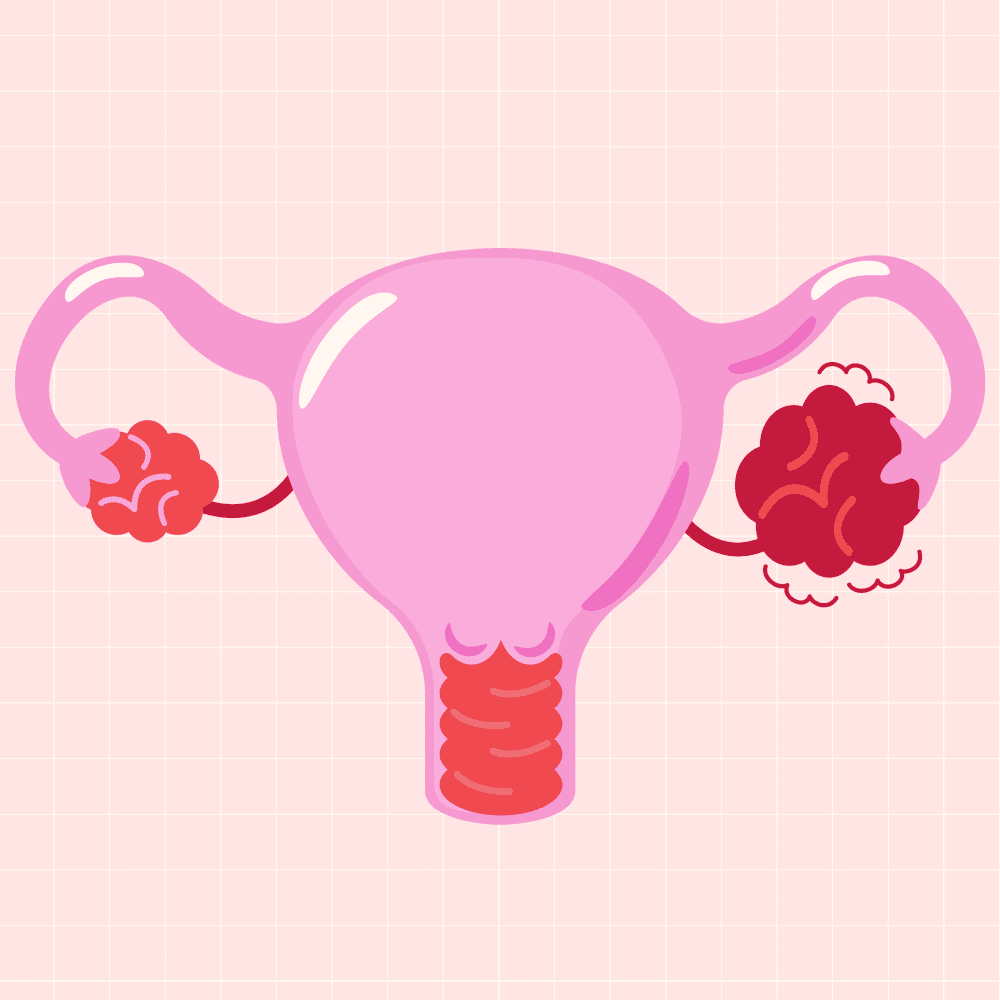
Over time, when your body isn’t releasing eggs month after month, they can remain in the ovaries as small fluid-filled sacs. These can show up on an ultrasound in a pattern often called polycystic ovaries, which is where the condition gets its name.
Irregular Menstrual Cycles Reduce the Chance of Conception
When your menstrual cycle is irregular with PCOS, it lowers your chances of conceiving. And it probably starts to click once you understand why. When your cycle is unpredictable, ovulation can be inconsistent or may not occur at all. And without regular ovulation, it becomes much harder to time intercourse or plan for pregnancy.
That’s why periods that show up every two or three months are one of the most common reasons fertility challenges happen with PCOS. Even if you do get a period, it doesn’t always mean ovulation is occurring.
Can PCOS Infertility Be Reversed?
I’ll be honest, there isn’t a single “cure” for PCOS, but there are proven ways to reverse PCOS symptoms and improve fertility. With the right combination of lifestyle changes, targeted supplements, and fertility treatments, you can regulate ovulation.
And research backs this up. Studies consistently show that many women with PCOS are able to conceive when they address root issues like insulin resistance, inflammation, and hormone imbalance. So if you’ve been feeling discouraged, take heart. With the right plan and consistent support, pregnancy is possible for Cysters.
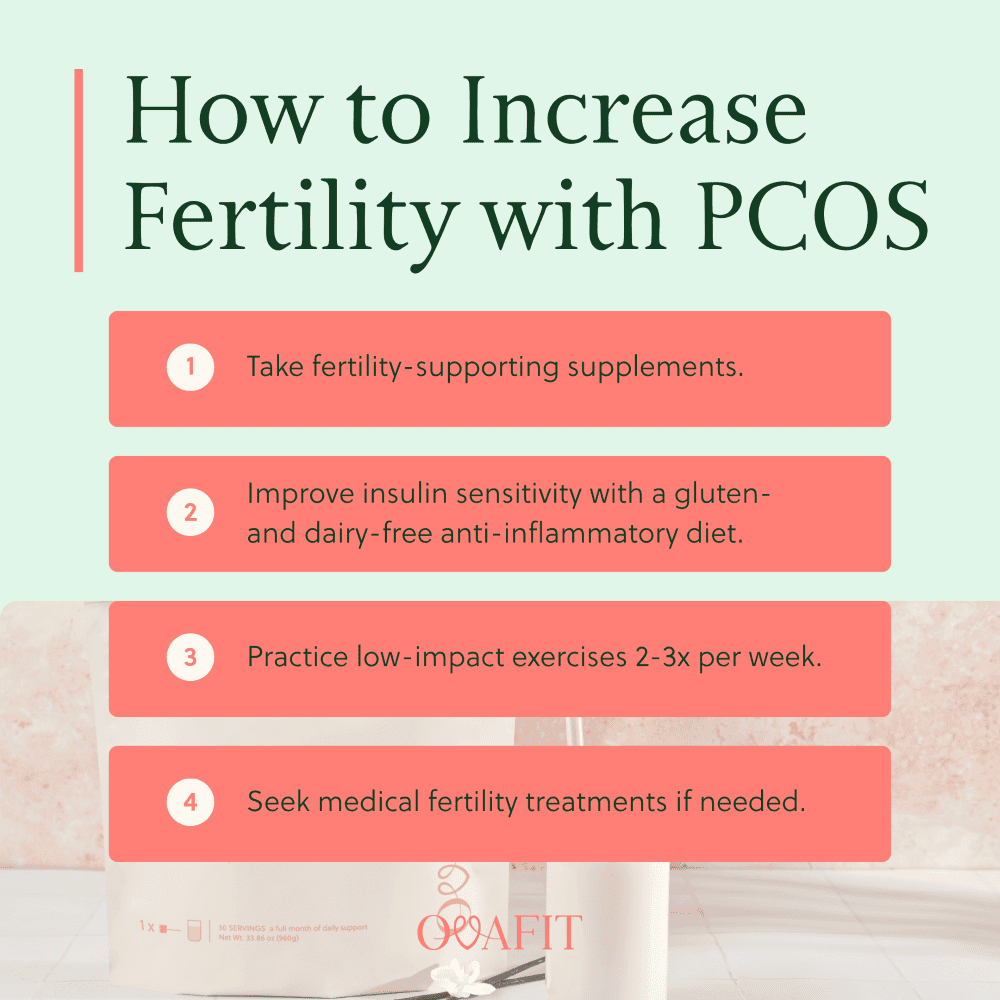
How to Increase Fertility with PCOS
Take fertility-supporting supplements.
One of the first steps you can take to support fertility with PCOS is adding targeted supplements to your routine. That’s exactly why we created the Purely PreNatal bundle. It’s a simple two-supplement system that includes a PCOS-focused preconception multivitamin and CoQ10. Together, they can help support fertility, improve egg quality, and strengthen your reproductive health from multiple angles.
And when you pair the Purely PreNatal with Inositol Complete, your body gets even more support. This combination helps address the root issues behind PCOS while promoting healthy ovulation. Add these supplements to consistent lifestyle habits that support hormone balance, and you create a powerful foundation for improving fertility.
Have questions about the CoQ10 in the Purely PreNatal bundle? Be sure to check out my posts, “Coenzyme Q10 Benefits for Fertility” and “How Much CoQ10 for PCOS.”
Improve insulin sensitivity with a gluten- and dairy-free anti-inflammatory diet.
One of the biggest root issues behind hormone imbalance and infertility in PCOS is insulin resistance. This happens when your body has trouble regulating insulin properly. Instead of using glucose for energy, your body starts storing more of it as fat, disrupting ovulation and hormone balance.
But here’s the empowering part: you can absolutely improve insulin resistance with a gluten- and dairy-free anti-inflammatory diet that prioritizes lean protein, fiber, and healthy fats. This can help you stabilize blood sugar, balance hormones, and support fertility. And when you add foods for healthy ovaries, it’s even better for fertility!
Many Cysters also notice natural, sustainable weight loss along the way. That’s a huge win! In fact, research shows that losing just 5-10% of body weight can significantly improve ovulation and increase your chances of conception.
If you’re not sure where to start, that’s exactly why we created The Cysterhood app. You’ll find hundreds of PCOS-friendly recipes designed to improve insulin sensitivity and make healthy eating feel simple and delicious.
And if hitting your daily protein goals feels challenging, our Crave Control Protein Powder can help. It’s made with hormone-friendly ingredients and provides gentle natural GLP-1 support to keep your blood sugar steady and cravings under control.
Practice low-impact exercises 2-3x per week.
Consistently practicing low-impact exercises, like walking, cycling, Pilates, or slow-weighted strength training, makes a powerful difference for your hormones and fertility.
Here’s how it works: these movements help improve insulin sensitivity, support healthy weight loss, and reduce inflammation. As those root issues improve, ovulation can become more regular, boosting fertility.
Remember, the key is consistency, not intensity. If you’re not sure where to begin, The Cysterhood app makes it easy. You’ll find workout routines designed specifically for women with PCOS who want to balance hormones without overstressing their bodies. They are gentle, effective, and focused on building lean muscle. That means your body can feel stronger, more energized, and supported through your healing journey.
Seek medical fertility treatments if needed.
When it comes to infertility and PCOS, natural methods can be incredibly effective, but they require time, consistency, and patience. Healing your hormones is a process, and your body needs time to respond to the changes you’re making.
That said, many women also choose to work with medical professionals and explore fertility treatments like IVF for additional support. And that’s okay, too. Infertility is a real health problem, and there are medical solutions that can improve your chances of conceiving.
The most powerful approach is often a combination of partnering with the right healthcare provider and making lifestyle changes that support hormone balance. You don’t have to choose one path or the other. With the right support system and a personalized plan, many Cysters are able to move forward with confidence on their fertility journey.
Reverse PCOS and infertility naturally through hormone-balancing lifestyle changes and supplements from Ovafit.
As one of the leading causes of infertility, PCOS can feel complicated, frustrating, and sometimes overwhelming. But here’s the message I want you to hold onto: it is absolutely possible to conceive with PCOS.
The key is understanding your hormones and taking consistent steps to support ovulation. When you focus on balancing your hormones, you give your body the best chance to restore fertility. And you can also improve your PCOS symptoms.
If you want to keep learning about how PCOS affects your body and what you can do about it, explore more articles on our blog. And when you’re ready to take the next step, browse our line of supplements to find options that can support your hormone balance.