

Polycystic ovary syndrome (PCOS) is a complex hormonal condition that affects millions of women worldwide. But here’s what makes it so confusing. PCOS doesn’t look the same for every Cyster. Some women struggle with weight gain and insulin resistance, while others deal more with acne, fatigue, and irregular menstrual cycles.
In fact, this condition is so misunderstood that experts are now referring to it as PMOS (polyendocrine metabolic ovarian syndrome). Why the shift? Because polycystic ovaries are actually just one possible symptom, not the true root cause. The condition is actually driven by deeper metabolic and hormonal imbalances. These include insulin resistance, inflammation, adrenal dysfunction, and androgen excess.
And that’s why understanding your specific type of PCOS matters so much! Since PCOS (now PMOS) can show up differently from person to person, there are several different types. And each type has its own root causes, symptoms, and treatment approach.
In this post, I’m breaking down the most common types of PCOS and how to identify which one you may have. Plus, I’ll share the best ways to start building a treatment plan that supports your body and your hormones.
(Note: The condition (finally!) receiving a formal name change to PMOS is a HUGE deal for Cysters worldwide! And we’re so excited to explore what this means. However, not everyone is caught up to speed just yet. So throughout this post, you’ll see us still refer to this condition as PCOS for now. We want to make our resources, guidance, and advice as widely accessible as possible.)
4 Types of PCOS and How to Identify Yours
No two women with PCOS have exactly the same experience, and that’s because there are different types of the condition. This is one of the biggest reasons it can feel so confusing and frustrating to navigate. But when you understand which type of PCOS you may have, it becomes much easier to create a treatment plan.
By the end of this post, you’ll hopefully have a clearer idea of which type of PCOS may be affecting you. As you read through the symptoms of PCOS types, pay attention to what sounds familiar. And make sure to explore the recommended posts I share. The more you understand your body, the better you can advocate for the care and support you deserve.
Are There Different Types of PCOS (or PMOS)?
Yes, there are different types of PCOS (or PMOS), and each type is driven by an underlying root cause. That’s a big reason why PCOS can feel so confusing, because it’s not just one simple condition.
Instead, PCOS is a collection of symptoms that show up differently depending on what’s happening inside the body. (Hence the official name change to PMOS!) For some women, insulin resistance is the main driver. For others, it may be chronic inflammation, adrenal stress, or post-pill hormone imbalance. And because the root causes are different, the symptoms can vary from one Cyster to another.
That’s why learning about the different types of PCOS is such an important first step. When you understand what’s actually causing your symptoms, you can build a treatment plan that targets the root issue. With PCOS, the goal isn’t only to “manage” symptoms temporarily. It’s about supporting your body, rebalancing hormones, and creating long-term healing.
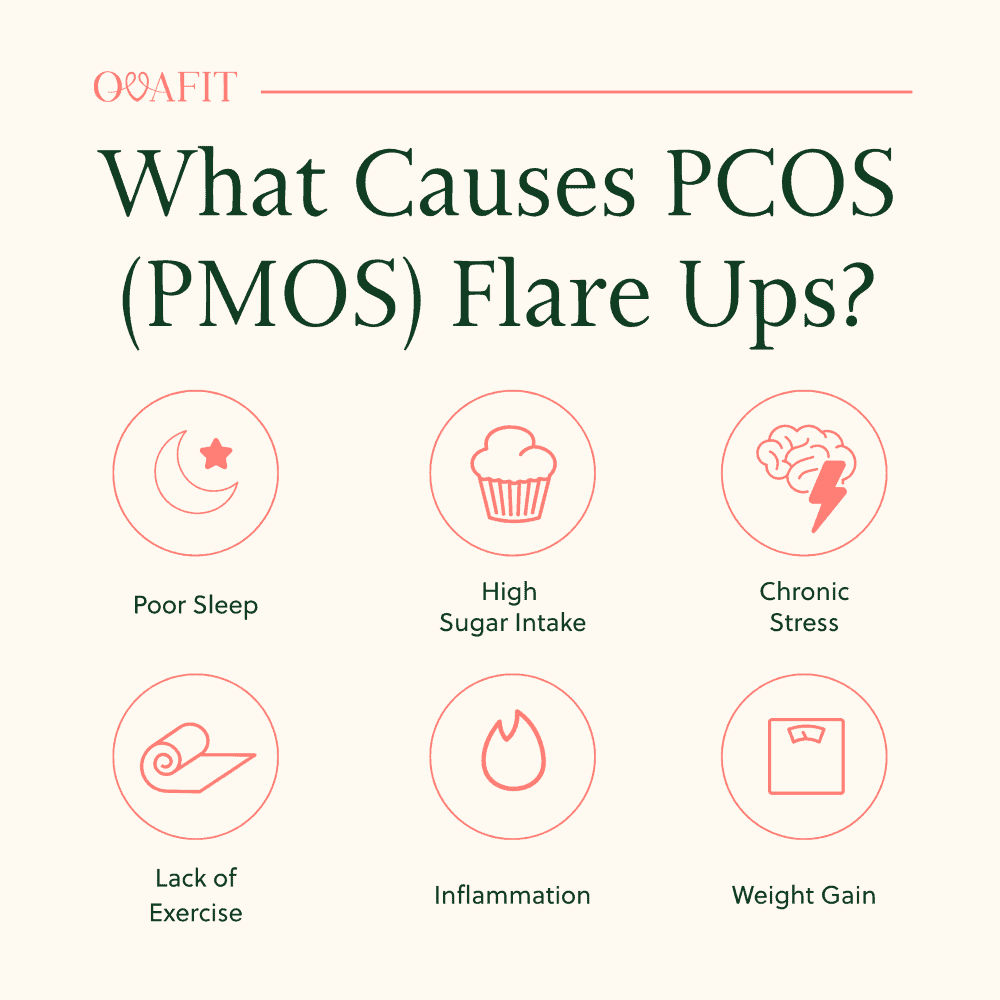
What Causes PCOS (PMOS) Flare Ups?
Certain lifestyle and health factors can trigger or worsen PCOS symptoms. And when you understand what those triggers are, it becomes much easier to support your hormones and reduce flare-ups.
Poor Sleep
Sleep plays a huge role in regulating your hormones, blood sugar, appetite, and stress levels. And when you consistently don’t get enough quality sleep, it can make PCOS symptoms much worse.
And here’s the tricky part: women with PCOS are already more likely to struggle with sleep issues in the first place. Many Cysters experience disrupted sleep or conditions such as sleep apnea, which can further disrupt hormone balance and energy levels.
If you want practical tips to improve your sleep quality and support your hormones, read my post “How to Sleep Better with PCOS.”
High Sugar Intake
Many women with PCOS struggle with insulin resistance, which means the body has a harder time using insulin properly. Rather than using insulin for fuel, the body stores it as fat. And when blood sugar levels are constantly spiking, it can create a chain reaction that worsens hormone imbalance.
Eating large amounts of sugar and highly processed carbs can cause blood sugar to rise quickly. In response, the body releases more insulin. And here’s where PCOS symptoms can start to flare up. Elevated insulin levels can stimulate the ovaries to produce more androgens (male hormones like testosterone).
My go-to recommendation is following a gluten- and dairy-free anti-inflammatory diet that focuses on lean protein, fiber, and healthy fats. This style of eating can help stabilize blood sugar, improve insulin sensitivity, lower inflammation, and balance hormones.
If you’re not sure where to start with a PCOS-friendly diet, you can find hundreds of recipes inside The Cysterhood app.
Chronic Stress
When your body stays under stress for long periods of time, cortisol levels (AKA your stress hormone) can remain elevated. And for women with PCOS, high cortisol can make symptoms even harder to manage.
Chronic stress can disrupt ovulation, increase inflammation, worsen insulin resistance, and throw your hormones further out of balance. It can also make it much more difficult to stick to healthy habits when your body feels stuck in survival mode.
If you’re starting to feel constantly overwhelmed, anxious, exhausted, or stuck in “fight-or-flight,” that’s your sign to slow down. Even spending a quick 20 minutes a day lowering stress can positively impact your hormones and well-being! For additional support, women find cortisol-lowering supplements helpful.
Lack of Exercise
When you’re exhausted, bloated, dealing with cravings, or just not feeling like yourself, exercise is the last thing you want to do. Believe me, I get it. But that lack of exercise can further exacerbate your PCOS symptoms.
The good news is that with PCOS, you don’t need intense workouts to see results. In fact, overly intense exercise can increase stress levels and make symptoms worse. That’s why I recommend low-impact workouts like yoga, Pilates, or slow-weighted strength training.
If you want guided PCOS-friendly workouts, you can find them inside The Cysterhood app. The routines are specifically designed for Cysters and focus on movement that supports your hormones.
Inflammation
A large percentage of Cysters deal with chronic low-grade inflammation. This inflammation can seriously disrupt hormone signaling throughout the body. When inflammation persists for long periods, it can contribute to elevated androgen levels. In turn, that can trigger symptoms like acne, excessive hair growth, and irregular ovulation.
The tricky part is that everyday lifestyle factors often fuel inflammation. Things like processed diets, chronic stress, poor sleep, and gut issues make inflammation worse and push PCOS symptoms into overdrive.
That’s why reducing inflammation is such a huge part of healing PCOS naturally. Supporting your body with anti-inflammatory foods, stress management, quality sleep, and hormone-friendly habits can make a powerful difference.
Weight Gain
One of the most common symptoms of PCOS is weight gain, especially around the belly area. This is often linked to insulin resistance and chronic inflammation, two major root drivers of the condition. And here’s where things can start to feel frustrating: the weight gain itself can further disrupt your hormones.
That’s because fat tissue is hormonally active, meaning it can influence estrogen, insulin, and androgen levels. In other words, hormone imbalance can contribute to weight gain. That weight gain can then worsen the hormone imbalance. It’s a frustrating cycle to break.
Research shows that losing 5-10% of body weight can significantly improve PCOS symptoms. And if losing weight with PCOS has felt impossible, please know you are not failing. Weight loss with PCOS is different because hormones are involved. But it is possible. I personally lost 30 pounds by focusing on hormone balance instead of extreme dieting or overexercising.
If you want to learn more about a realistic, hormone-friendly approach, check out my guide, “How to Successfully Lose Weight with PCOS.”
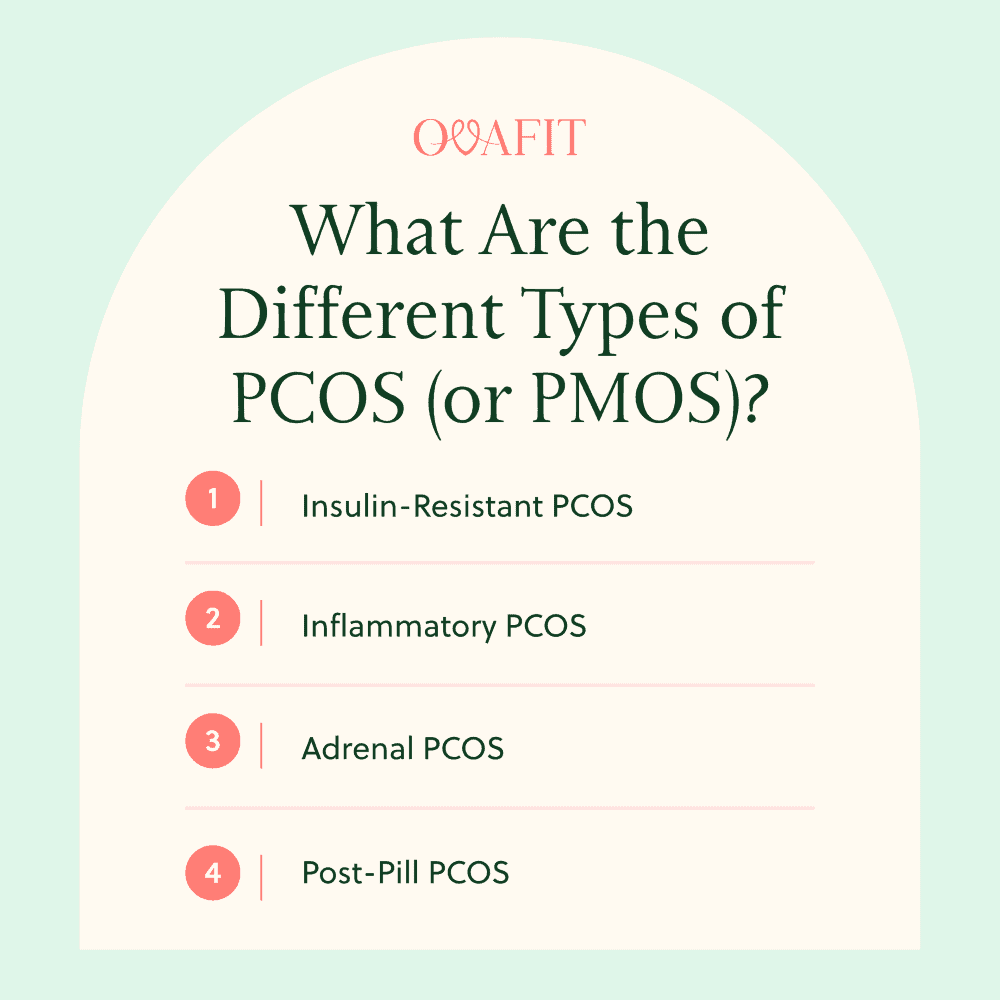
What Are the Different Types of PCOS (or PMOS)?
Insulin-Resistant PCOS
Insulin-resistant PCOS is the most common type, affecting up to 80% of women with the condition. If you have insulin resistance, your body struggles to use glucose efficiently for energy. Instead, glucose stays in the bloodstream, which causes insulin levels to rise.
This hormone and blood sugar imbalance can trigger a wide range of symptoms, including:
- Fatigue and energy crashes
- Intense sugar and carb cravings
- Weight gain, especially around the midsection
- Irregular periods
- High blood pressure
- Darkened skin patches around the neck or underarms
Over time, unmanaged insulin resistance can also increase the risks of developing type 2 diabetes and other metabolic health issues.
The good news is that insulin-resistant PCOS is incredibly responsive to lifestyle changes. One of the best ways to support your hormones is through a gluten- and dairy-free anti-inflammatory diet. This intentional approach can help stabilize blood sugar, improve insulin sensitivity, and lower inflammation.
If you need ideas, check out my PCOS grocery list and PCOS meal plan for hormone-friendly foods and inspiration.
Inflammatory PCOS
Inflammatory PCOS occurs when there is chronic, low-grade inflammation throughout the body. And when inflammation stays elevated for too long, it can interfere with hormone signaling.
Women with this type of PCOS often experience symptoms like:
- Bloating or IBS-like gut issues
- Constant fatigue
- Joint pain
- Headaches
- Difficulty losing weight
- Skin issues or flare-ups
- Brain fog
Inflammation isn’t supposed to be a long-term experience. More specifically, it’s often a short-term response that helps the body heal. But with chronic inflammation, the body can get stuck in a constant state of stress. That’s when symptoms start showing up everywhere.
So, how do you support inflammatory PCOS naturally? One of the most powerful tools is a PCOS-friendly diet with anti-inflammatory foods. Adding berries, leafy greens, fatty fish, olive oil, and fermented foods can help calm inflammation. They can also support hormone balance from the inside out.
Certain herbs can also be incredibly supportive. Turmeric, ginger, and spearmint tea are some of my favorites. They can naturally help fight inflammation while supporting healthier hormone levels. You can see which herbs are helpful for PCOS in my post “Hormone Balancing Tea.”
Adrenal PCOS
Adrenal PCOS is connected to the body’s stress response system and the hormones produced by the adrenal glands. Since PCOS and hormonal balance are deeply intertwined, it makes sense that chronic stress and cortisol imbalances play a major role in symptoms.
This type of PCOS is often associated with elevated cortisol levels. Cortisol is your body’s primary stress hormone. The body releases it during physical, emotional, or even inflammatory stress as part of the fight-or-flight response.
The problem is that when stress becomes chronic, the body can stay stuck in that stress response for too long. Over time, this can throw multiple hormones out of balance and cause symptoms like:
- Weight gain
- Fatigue and daytime sleepiness
- Anxiety or mood swings
- Sleep disturbances
- Brain fog
- Irregular periods
- Elevated androgen levels
And yes, higher cortisol levels can also cause increased androgen levels. This can then worsen symptoms like acne, hair loss, and unwanted facial hair.
The good news is that supporting adrenal health and calming the nervous system can make a huge difference. Prioritizing habits such as quality sleep, gentle movement, reducing caffeine intake, and daily self-care can lower stress naturally.
Dive deeper into what adrenal PCOS looks like in my post “Adrenal PCOS Symptoms.”
Post-Pill PCOS
Post-pill PCOS is a term people often use when PCOS-like symptoms appear after stopping hormonal contraceptives. But there’s something important to understand: your birth control pills did not cause PCOS.
Instead, the pill may have been masking underlying hormone imbalances the entire time. In other situations, the body simply needs time to readjust after coming off hormonal contraceptives. The symptoms usually improve on their own within months.
Some of the most common post-pill symptoms include:
- Irregular or missed periods
- Delayed ovulation
- Acne or oily skin
- Hair thinning or shedding
- Increased facial or body hair
- Weight gain
- Bloating
- Fatigue
- Mood swings
- Cravings
These symptoms can feel frustrating and confusing, especially when they show up suddenly. The key thing to remember is that true post-pill symptoms are temporary and improve within 3 to 6 months.
However, if symptoms continue beyond that, it may be a sign that you have had underlying PCOS all along. The birth control was simply covering up the symptoms. That’s when it becomes especially important to focus on the root causes. This will help you create a treatment plan that actually supports healing.
Which Type of PCOS (PMOS) Is Dangerous?
There isn’t one type of PCOS that is considered “more dangerous” than the other. The real concern happens when PCOS goes unaddressed, as root issues can increase the risks of long-term health conditions over time. These may include type 2 diabetes, high blood pressure, heart disease, and fertility challenges.
However, early awareness and action can make a huge difference. The sooner you understand what’s happening in your body, the sooner you can start supporting your hormones. And that means reducing the risk of long-term complications.
The first step is finding out whether you have PCOS. The second is identifying which type may be driving your symptoms.
Can You Have Multiple Types of PCOS (or PMOS)?
Even though there are different types of PCOS, it’s very possible to experience symptoms from more than one type at the same time. And honestly? That’s more common than most women realize.
The reason is simple: your hormones are all connected.
For example, you may primarily struggle with adrenal PCOS, but still experience insulin resistance. That’s because high levels of cortisol and androgens can affect blood sugar and insulin signaling. At the same time, chronic inflammation can worsen both adrenal dysfunction and insulin resistance. This creates a cycle where symptoms overlap and feed into one another.
That’s why PCOS can sometimes feel so confusing. Symptoms rarely fit perfectly into one little box. And over time, your symptoms can also change depending on stress, diet, sleep, age, and hormone shifts.
PCOS is complex, and there usually isn’t one simple answer that explains everything. But the more you learn about how your body works, the easier it is to create a plan that supports long-term healing.
How to Figure Out What Type of PCOS (or PMOS) You Have
Blood Tests
One of the most reliable ways to figure out which type of PCOS you may have is through blood tests. Lab testing can give important insight into what’s happening inside your body, checking things like:
- Hormone levels
- Insulin and blood sugar markers
- Inflammatory markers
- Androgen levels
- Thyroid function and more
When your doctor reviews the results alongside your symptoms, they can often identify the root issue behind your PCOS. Want a deeper breakdown of what these labs mean and what markers to ask for? Read my post “Blood Workup for PCOS.”
Symptom Tracking
Tracking your symptoms in a daily journal can be an incredibly helpful way to understand your PCOS. While it’s common to experience overlap between different PCOS types, symptom tracking combined with blood work can give you a clearer picture.
Sometimes, noticing that certain symptoms are stronger or more consistent than others can help point toward the underlying hormone imbalance driving your PCOS. The more awareness you build around your body, the easier it becomes to create a treatment plan.
Medical Diagnosis
There isn’t one single test that can diagnose PCOS. Instead, healthcare providers use a process called the Rotterdam Criteria. This method looks at symptoms, hormone levels, and overall cycle patterns to diagnose PCOS. Your provider will look for three main signs:
- Irregular or missing menstrual cycle
- Elevated androgen levels
- Polycystic ovaries seen on an ultrasound
If you meet at least two out of the three, then you likely have PCOS. However, remember: diagnosis is often about looking at the full picture rather than relying on a single test. You can learn more about the actual tests in my guide “How Can PCOS Be Detected?”
Discover how to heal your PCOS type with Ovafit and The Cysterhood.
Getting diagnosed with PCOS is an important first step. But understanding which type of PCOS you have is what truly helps you start a healing journey that works. When you focus on the root issue driving your symptoms, you can begin supporting your hormones more effectively. And over time, that’s how many women are able to dramatically improve and even reverse their PCOS naturally.
Now you have a better understanding of the different PCOS types and the symptoms connected to them. It’s time to start exploring your root causes and finding a treatment plan that works for you. And remember, you don’t have to do it alone. The Cysterhood is a community of women with PCOS who are focused on healing naturally. And if you want additional support, Ovafit’s line of targeted PCOS supplements is designed to help balance hormones and support your healing journey.