
Polycystic ovary syndrome (PCOS), now called polyendocrine metabolic ovarian syndrome (PMOS), is a complex hormonal condition that affects women of reproductive age. And with the condition comes a long list of frustrating symptoms, from fatigue and weight gain to irregular periods and even hair loss.
However, as a Registered Dietitian and woman with PMOS myself, I was never just accepting the “lose weight” debate so many people think will “solve” PMOS symptoms. Instead, I’ve done the research, I’ve tried and tested lifestyle changes, and I bring topics up to the Ovafit community when I think something is genuinely worth incorporating into your PMOS management plan. The topic of today’s discussion? Spearmint tea.
Something as simple as herbal tea can play a meaningful role in regulating hormone levels, lowering elevated male hormones (androgens), and reducing chronic inflammation. That’s why below, I’m diving into the benefits of spearmint tea for women with PMOS. While it isn’t a magic cure, it can show up for you in ways you may not realize.
6 Spearmint Tea Benefits for PCOS
Discovering natural ways to manage symptoms with PMOS is one of the most empowering steps you can take. Believe it or not, something as simple as adding a cup of spearmint tea to your daily routine can make a true difference in how your symptoms show up (so long as they’re paired by intentional lifestyle changes).
But how exactly does spearmint tea transform our lives with PMOS? While there’s no cure, there are clinically proven ingredients and adjustments that can help you manage and improve your condition.
We’re diving into the details and science behind why this soothing tea is a must-try for managing your PMOS. And if you want guidance figuring out how spearmint tea may address the root drivers of your symptoms, make sure to take my free “What’s Your PMOS Type?” quiz.
Does Spearmint Tea Help with PCOS?
Reduces Androgen Levels
For women with PMOS, elevated androgen levels like testosterone can cause frustrating symptoms such as hirsutism (excess hair growth on the face and body), acne, and hair loss. These hormone imbalances can also lead to irregular ovulation and periods, making it even harder to feel in sync with your body.
Here’s where spearmint tea gets interesting: research suggests spearmint may have anti-androgenic effects. In one small human study, women who drank spearmint tea twice daily experienced reductions I free and total testosterone over 30 days. While that doesn’t mean spearmint will eliminate high-androgen symptoms, it may be one simple way to support hormonal balance alongside other PMOS lifestyle changes.
Since spearmint is shown to potentially lower testosterone, I use it in my PMOS tea blend, along with other helpful herbs we’ve researched for supporting different aspects of the condition.
Anti-Inflammatory Properties
Chronic low-grade inflammation is commonly seen with PMOS and may contribute to insulin resistance and other symptoms. Rather than thinking of “inflammatory PMOS” as a separate medical type of the condition, I like to think about inflammation as one of the underlying factors that can make symptoms feel harder to manage.
Spearmint contains plant compounds, including rosmarinic acid and plant polyphenols, that have antioxidant and anti-inflammatory properties. While we still need more human research specifically connecting spearmint tea with reduced inflammation in women with PMOS, these compounds may make it a helpful addition to an overall anti-inflammatory lifestyle
Antioxidant Effects
Oxidative stress happens when free radicals build up in the body, and it can lead to all kinds of PMOS struggles, like chronic inflammation, insulin resistance, hormonal dysregulation, and irregular ovulation. The best way to fight back? Load up on antioxidants to neutralize those pesky free radicals.
That’s where spearmint tea comes in! Packed with antioxidants, this refreshing tea can help lower oxidative stress, giving your body the extra support it needs to stay balanced.
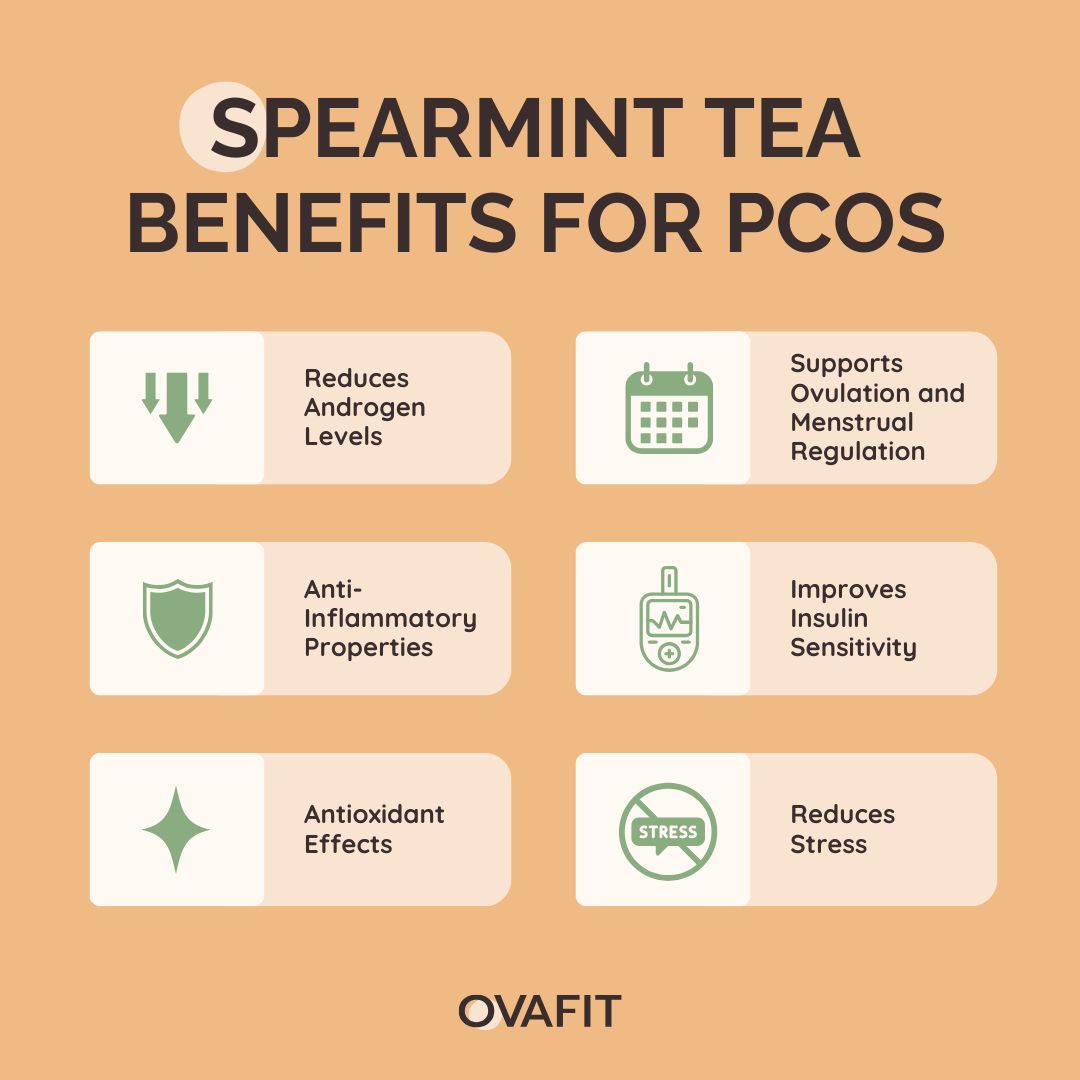
Supports Ovulation and Menstrual Regulation
Irregular periods and inconsistent ovulation are some of the most frustrating symptoms of PMOS, especially for women who are trying to conceive. High androgen levels can interfere with normal follicle development and ovulation, which is one reason lowering elevated androgens may support more regular cycles.
Spearmint tea is interesting here because human studies have found changes in testosterone and some reproductive hormones after regular consumption. However, we don’t have strong enough evidence just yet showing that spearmint tea itself restores ovulation or reliably regulates periods.
Think of it as one piece of your PMOS routine rather than a replacement for nutrition, lifestyle changes, supplements, medication, or fertility treatment when those are needed. And if you’re trying to conceive, always consult your healthcare provider for more personalized advice and recommendations.
Improves Insulin Sensitivity
Insulin resistance, a condition where the body stores glucose as fat into the blood stream rather than using it for energy, is extremely common in PMOS. This can contribute to cravings, fatigue, weight gain, elevated androgen levels, and unstable blood sugar levels.
You may see claims that spearmint tea directly improves insulin sensitivity or lowers blood sugar, but the evidence is a little nuanced. Some research on spearmint and metabolic health has been conducted in animal studies or using controlled spearmint extract, rather than the cups of spearmint tea you’d brew at home.
In a PMOS management plan, I love spearmint for its anti-inflammatory and antioxidant plant compounds! But I wouldn’t rely on it or recommend spearmint tea alone for managing insulin resistance or blood sugar.
Reduces Stress
With elevated cortisol levels, a PMOS body often feels like it’s stuck in stress mode 24/7. This constant state of stress can lead to disrupted sleep, hormonal dysregulation, and increased inflammation… three things many of us experience daily!
Here’s the good news: spearmint tea could be the soothing solution you’ve been looking for. I wouldn’t promise that it lowers cortisol, as we don’t have enough evidence showing this. Instead, think of it as a caffeine-free drink you can incorporate into a relaxing evening alongside the stress-management habits that have strong evidence behind them.
What is Spearmint Tea?
Spearmint, Mentha spicata, is a fragrant herb from the mint family that’s native to Europe and Asia. Loved for its refreshing aroma and subtly sweet flavor, spearmint has been used for centuries in cooking, medicine, and therapeutic remedies.
What makes spearmint so special? It’s packed with powerful bioactive compounds like carvone (anti-inflammatory properties), rosmarinic acid (potent antioxidant), and flavonoids (antioxidant and hormone-regulating benefits). Talk about a natural powerhouse!
What the Research Actually Shows
Spearmint gets talked about a lot in the PMOS community, but not every spearmint claim you see online is backed by the same level of research. Here’s the difference:
- Human Studies: The most relevant human research has looked at women with hirsutism. As I mentioned earlier, small studies have found reductions in free and, in some cases, total testosterone. A 30-day randomized controlled trial also found that participants perceived improvements in hirsutism, though researchers noted 30 days wasn’t long enough to demonstrate a significant change using objective hair-growth measurements.
- Animal Studies: Other potential health benefits, including some of the metabolic, antioxidant, and anti-inflammatory effects associated with spearmint, have been investigated in animals. These studies can help researchers understand how spearmint might work, but they don’t prove that drinking spearmint tea will produce the same result in women with PMOS.
The form matters, too. Spearmint tea, spearmint extract, and essential oils can contain very different concentrations of active compounds. A study using a concentrated extract can’t automatically tell us what would happen if you drink one or two cups of tea.
Don’t get me wrong, I am a big fan of spearmint tea in a PMOS-friendly routine! But I also want you to know exactly where the evidence stands.
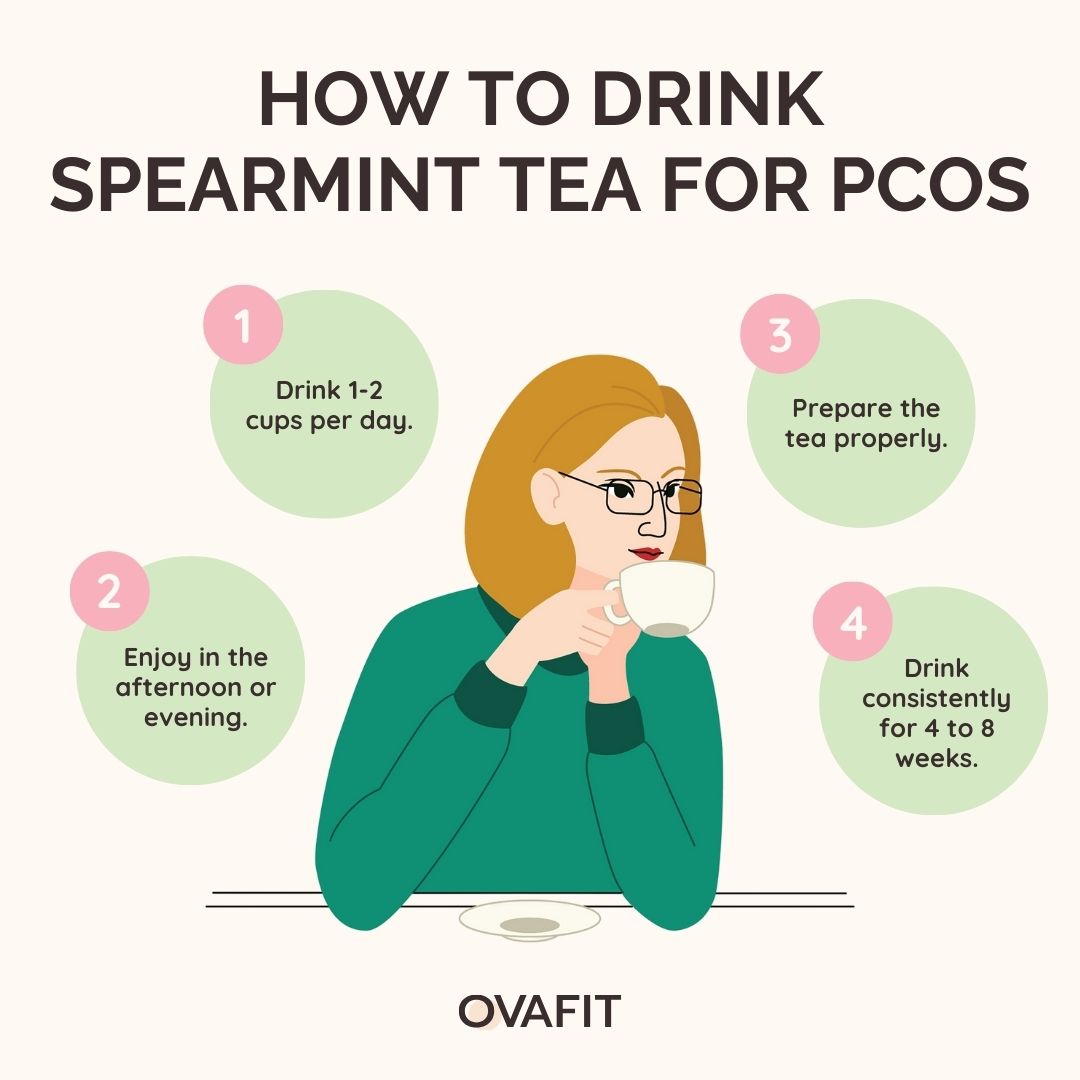
How to Drink Spearmint Tea for PCOS
Drink 1-2 cups per day.
To start enjoying the benefits of this natural herbal tea for managing PMOS symptoms, try to consume spearmint tea twice a day. A 2007 study in women with hirsutism found that consuming spearmint tea twice a day for 5 days led to a significant reduction in free testosterone. It’s a simple, soothing addition to your routine that can make a big difference over time.

Enjoy in the afternoon or evening.
For many, drinking spearmint tea helps them to wind down. This makes it a perfect drink for later in the day especially when we want to get our hormones ready for bed. But everybody is different! For example, I like to have my first cup in the morning with breakfast, especially because my cortisol levels are higher at this time.
Prepare the tea properly.
Making tea might seem simple, but there’s definitely an art to it especially when it comes to brewing the perfect cup of spearmint tea! Start by heating one cup of water to 212°F and pouring it over one to two teaspoons of dried spearmint leaves or a tea bag (specifically one without plastic or BPA). If you don’t have the ability to get a precise temp, just boil it.
Cover your cup and let it steep for 3 – 5 minutes to get the best flavor and extract all those beneficial compounds. Enjoy it hot for a cozy treat, or pour it over ice for a refreshing sip! Want to take it up a notch? Squeeze lemon or add a dash of cinnamon for extra flavor and health benefits.
To take it to the next level, you can even prepare a batch of multiple cups of tea in a pitcher or mason jars and leave it in your fridge for easy access.

Drink consistently for 4 to 8 weeks.
For the best results in improving PMOS symptoms, consistency is key! I recommend sipping on spearmint tea twice a day for 4 – 8 weeks. Although some symptoms may improve quicker if you’re already following other PMOS lifestyle changes that we recommend here, sustainable habits and PMOS management take time… so trust the process!
You can also try cycling your tea routine; enjoy it for eight weeks, then take a two-week break to see how your body responds. It’s all about listening to your body and finding the rhythm that works best for you.

Spearmint Tea for Period Cramps
If period cramps are part of your PMOS journey, you might be wondering whether spearmint tea can help there, too.
Spearmint has traditionally been used for digestive discomfort and contains plant compounds with potential anti-inflammatory and antispasmodic properties. That makes it an appealing warm drink when cramps hit, particularly if bloating or digestive discomfort tend to show up around your period too.
However, research showing that spearmint tea reduces menstrual cramps is limited. It may be a soothing addition to your routine, but I wouldn’t consider it a proven treatment just yet.
Spearmint Tea and Fertility
Because spearmint may help lower elevated androgens, it’s easy to make the jump from “lower testosterone” to “better fertility.” But there’s a few steps missing between those two concepts.
Elevated androgens can interfere with follicle development and ovulation in PMOS, so supporting healthier androgen levels may help create a more favorable hormonal environment. However, we don’t have solid evidence showing that spearmint tea directly improves ovulation rates, conception rates, or egg quality.
If you’re trying to conceive, talk with your doctor about whether spearmint tea makes sense alongside your nutrition, lifestyle, supplements, or fertility treatment. I especially recommend checking in before using concentrated herbal supplements or extracts with TTC.
Can You Drink Spearmint Tea While Pregnant?
If you become pregnant, spearmint tea is generally considered safe in small culinary amounts. However, it’s most important to check with your doctor or prenatal care provider before continuing to drink spearmint tea regularly.
There’s also an important distinction between the small culinary amounts of spearmint you might encounter and drinking concentrated or medical amounts of an herb every day. We don’t have enough pregnancy-specific research to say that regularly drinking spearmint tea for its anti-androgenic effects is safe during pregnancy.
That doesn’t mean you need to panic over the amount you’ve already had, though! It simply means pregnancy isn’t the time to self-prescribe medical amounts of herbs.
Spearmint Tea Side Effects and Who Should Avoid It
Spearmint tea is generally well tolerated in food and beverage amounts, but “natural” doesn’t always mean appropriate for everyone.
Talk with your healthcare provider before using spearmint tea medicinally if you’re pregnant, breastfeeding, take hormonal medications, are undergoing fertility treatment, or have another health condition that could be affected by changes in hormone levels. Because spearmint is used specifically for its potential anti-androgen effects, anyone who has low testosterone should also discuss regular use with their provider.
The same caution applies even more strongly to concentrated spearmint supplements, extracts, or essential oils. They’re not interchangeable with brewed tea and may provide much higher concentrations of spearmint’s active compounds.
Spearmint Tea vs. Peppermint Tea for PCOS
While they may sit next to each other in the tea aisle, spearmint and peppermint aren’t interchangeable when we’re talking about PMOS.
Spearmint (Mentha spicata) is the mint that has been studied in women with hirsutism and PMOS for its anti-androgenic effects. Peppermint (Mentha x piperita) is a different plant with a different chemical profile and is better known for its use in digestive health.
If your goal is to specifically support elevated androgen levels, spearmint tea is the one with the relevant hormone research behind it. Peppermint tea can still be a delicious caffeine-free option, but I wouldn’t substitute it and expect the same potential effect on testosterone.
Find a natural herbal tea remedy for your PMOS symptoms and feel relief today!
While there’s no cure for PMOS, the amazing news is that there are so many natural ways to manage, reverse, and heal your symptoms. One simple yet powerful tool? Herbal teas that are packed with specific health and hormone-balancing benefits.
That’s why I’m excited about Ovafit’s Testosterone Relief Tea, a carefully crafted herbal blend that’s packed with herbs that studies show can target the root causes of PCOS like spearmint, nettle, cinnamon, and chamomile. Testosterone Relief Tea is also made with organic tea bags that are free from plastic and BPA, because our hormones don’t deserve those anyway!
Don’t forget to take my free “What’s Your PMOS Type?” quiz to learn more about the root drivers behind your symptoms. And if you want even more guidance, download The Cysterhod app, where you’ll receive habit trackers, meal plans, one-on-one coaching, and a community full of women who support you through every step.
You got this,
Tallene, RD
Written by Tallene Hacatoryan, MS, RD, founder and formulator of OvaFit. Tallene is a Registered Dietitian who specializes in PCOS (now called PMOS) nutrition and has PCOS herself.
Medical disclaimer: This content is for informational purposes only and is not intended as medical advice. Always consult your healthcare provider before making changes to your diet, supplements, or treatment plan.
These statements have not been evaluated by the Food and Drug Administration. This product is not intended to diagnose, treat, cure, or prevent any disease.