


Polycystic ovarian syndrome (PCOS) is a chronic disorder that results from imbalanced hormone levels. Because our adrenal system influences pretty much everything in our body, PCOS can come with a lot of difficult symptoms. Even people who aren’t super familiar with PCOS are aware of common symptoms of PCOS like infertility, weight gain, unwanted hair growth, polycystic ovaries, heavy menstrual bleeding, and irregular or absent periods, but there’s a lot more to it! PCOS symptoms include excess hair growth on the face, acne, sleep issues, mental health struggles, and more.
If you’re a woman with PCOS, you know one of the most challenging daily symptoms is chronic fatigue. Feeling tired all the time isn’t just about being sleepy. Fatigue can impact your social life, your career, your personal ambitions, and your confidence! It’s so important to find the root cause of this symptom so you can live your best PCOS life without being controlled by your symptoms . . . but how?
Today, I’m going to be discussing why women with PCOS feel fatigued and then give you some natural ways to get to the root of the problem. It’s time to get your energy back!
Does PCOS Make You Tired?
For many Cysters, YES! In fact, there can be multiple underlying issues of PCOS that can make you feel tired. All these things combined can make you experience EXTREME daytime sleepiness. It’s essential that you know all the details of why you’re feeling tired, so you can reverse this symptom right at the root of the problem. Here’s why you’re tired all the time:
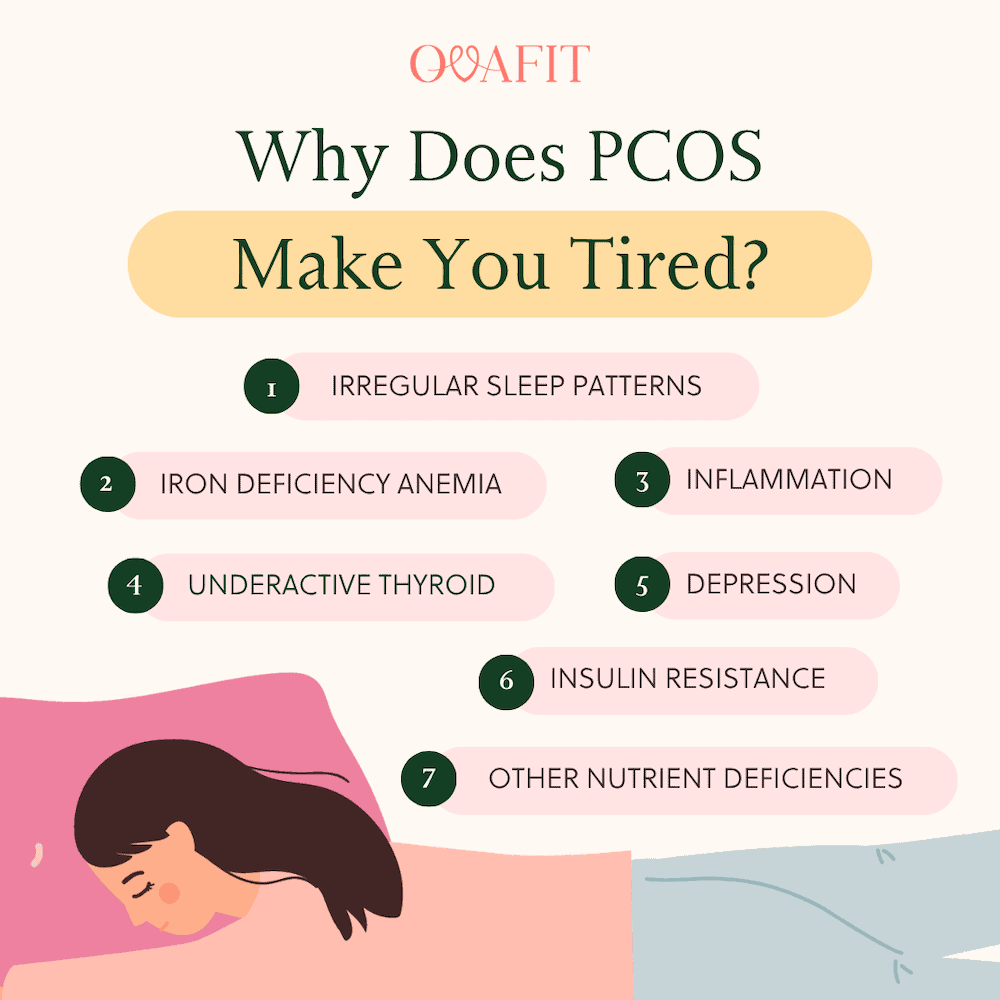
- Irregular Sleep Patterns: Yes, poor sleep can cause fatigue. But, this can be harder for people with PCOS because we’re more prone to sleep disorders like insomnia and obstructuve sleep apnea! It’s believed that these irregular sleep patterns are due to high androgens and other hormonal imbalances in the body!
- Insulin Resistance: When your body becomes less responsive to insulin, the sugar you eat doesn’t convert to energy . . . it’s absorbed as fat and raises your blood sugar levels. When your blood sugar levels peak, in a few moments these will drop, causing you to feel an “energy crash.” So, after you eat you’re left feeling tired and probably still hungry!
- Inflammation: If your immune system is overactive and attacking healthy cells, your body is working overtime, causing your energy levels to drain, making you feel exhausted!
- Underactive Thyroid: When your thyroid isn’t performing optimally (hypothyroidism), it can’t produce the hormones your body needs to thrive. This can also cause a lot of issues, including fatigue!
- Iron Deficiency Anemia: Many Cysters experience heavy periods. Over time, that blood loss can lead to low iron levels. Iron deficiency plays a role in reduced oxygen transport in the body, which can leave you feeling weak and fatigued.
- Other Nutrient Deficiencies: Other nutrient deficiencies aside from low iron, like low vitamin D, low B vitamins, and low magnesium can also cause fatigue.
- Depression: The hormonal imbalances and chronic symptoms of PCOS can sometimes lead Cysters to being depressed. Depression worsens fatigue and fatigue can worsen depression. (Please see a healthcare professional as soon as possible if you’re feeling depressed.)
PCOS Fatigue Symptoms
Constant Low Energy
You feel tired most of the day, even after getting a full night of sleep. This isn’t just occasional sluggishness, it’s a seemingly constant lack of energy that makes it harder to get through normal daily life.
Difficulty Waking Up in the Morning
Getting out of bed in the morning feels like the most difficult task of the day, even if you went to sleep at a reasonable time. You may hit snooze multiple times or feel groggy for hours and hours after waking.
Midday Energy Crashes
You experience a steep drop in energy in the afternoon. This crash can be so significant that it’s hard to even keep your eyes open.
Cravings for Sugar and Carbs
That drop in energy mid-day often comes with intense cravings for sugar, carbs, or caffeine. These cravings can feel absolutely impossible to ignore. Here’s more on PCOS and cravings.
Brain Fog and Poor Focus
You struggle to concentrate, stay on task, or think clearly. Mental fatigue can feel just as draining as physical exhaustion and often shows up during work or conversations.
Feeling Unmotivated or Sluggish
You may notice a drop in motivation, even for things you normally enjoy. Tasks can feel completely overwhelming or harder to start and complete.
Heavy or Achy Body Sensation
Your body may feel tired and physically weighed down. That can come with body aches, muscle soreness, or stiffness that makes even simple movement feel like more effort than usual.
Poor Exercise Recovery
Certain types of workouts leave you feeling more drained than energized. This can make it take much longer to recover from exercise than women without PCOS.
Mood Swings and Irritability
Low energy often goes hand-in-hand with mood changes. You may feel more irritable, anxious, or emotionally drained, especially when fatigue is ongoing.
What Does PCOS Fatigue Feel Like?
PCOS fatigue feels like a constant exhaustion that doesn’t seem to make sense. Your sleep quality and lifestyle habits should make you feel well-rested, but they don’t. And this kind of daytime sleepiness isn’t just feeling drained after a long day at work. PCOS-related fatigue often feels like going through life with a low battery you can’t fully recharge. You may wake up tired, push through the day in a fog, and hit energy crashes that make even simple tasks feel so much harder than they should.
It is not just being tired after a long day. It is waking up tired, dragging through the day, and never quite feeling fully recharged. Your energy can feel unpredictable, with crashes, brain fog, and cravings that make it harder to stay steady and focused. Physically, your body may feel heavy or sluggish, while mentally, everything takes more effort than it should. It is that frustrating sense of running on low battery, no matter how much you try to rest or reset.
How To Treat PCOS Fatigue?
Maintain an anti-inflammatory, gluten and dairy-free diet and stay hydrated.
Eating gluten and dairy-free versions of meals you love and staying hydrated can help give your body all the tools it needs to thrive! The food we eat is SO important, and it can make or break the way we feel on a day-to-day basis. (Plus it can reduce the risk of long-term health conditions like type 2 diabetes and heart disease).
Processed foods, sugar, and red meat can contribute to your PCOS symptoms like difficult weight loss, fatigue, body aches, and more by increasing insulin resistance and inflammation. If you are sensitive to gluten and dairy, these foods can hinder your PCOS results too. To boost your energy levels, give your body the fuel it needs with plenty of water and try a gluten- and dairy-free anti-inflammatory diet for 30 days to see if it’s the right fit for you! (You can find PCOS-friendly recipes and meal plans on The Cysterhood app.)

Establish a good sleep schedule.
As I mentioned earlier, sleeping well with PCOS can be hard! Sleep problems and PCOS go hand-in-hand. High androgens can disrupt our body’s natural circadian rhythms, which set our body’s sleep patterns. So, maintaining a good PCOS sleep routine is essential! I also recommend getting some sun throughout the day, creating a wind-down routine, and limiting screens at night to get better sleep with PCOS!
Avoid caffeine and stress.
Stress and caffeine actually both do the same thing inside your body. It elevates your cortisol levels (stress hormones) to make you more alert and focused. However, too much has you feeling anxious, wired, and totally overwhelmed. Although we might want to reach for coffee for a quick solution, caffeine doesn’t target the root cause of this symptom, making you MORE tired throughout the day. Plus, high cortisol can worsen inflammation, insulin resistance, and other hormonal imbalances that all lead to fatigue.
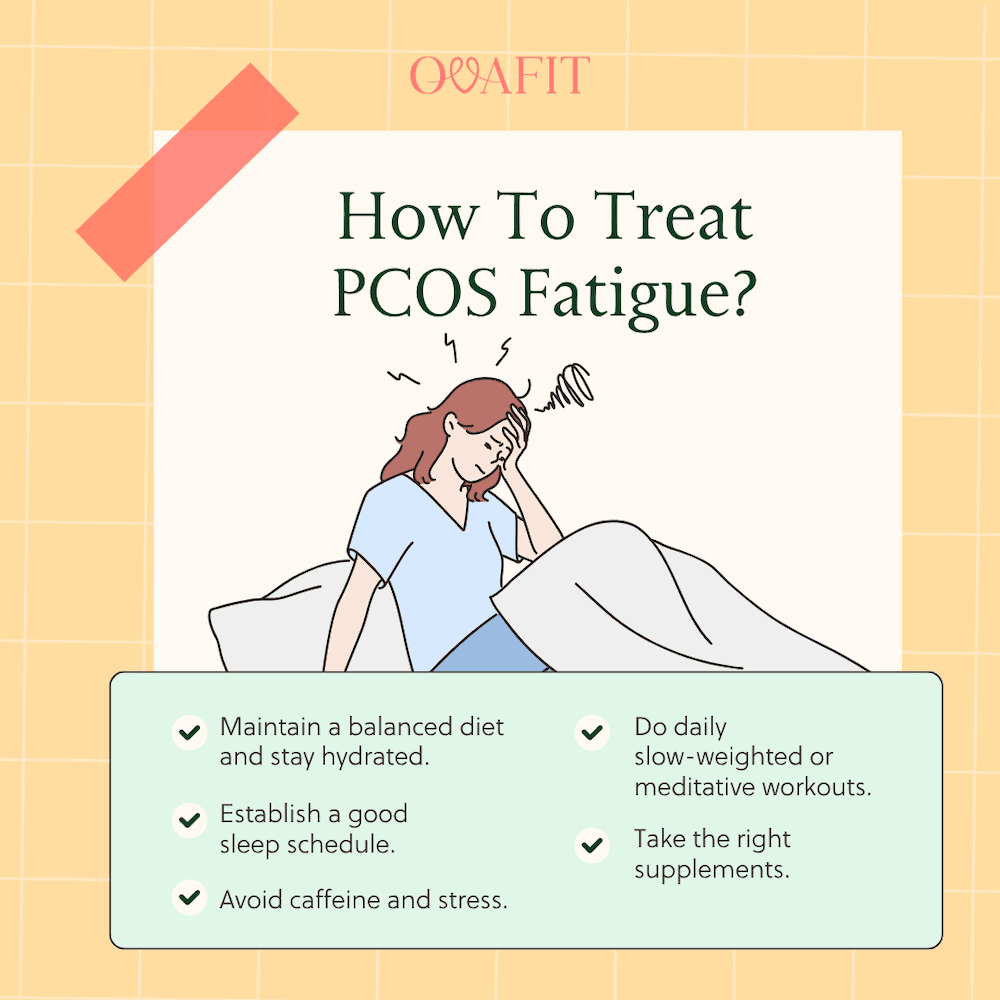
Do daily slow-weighted, low intensity workouts.
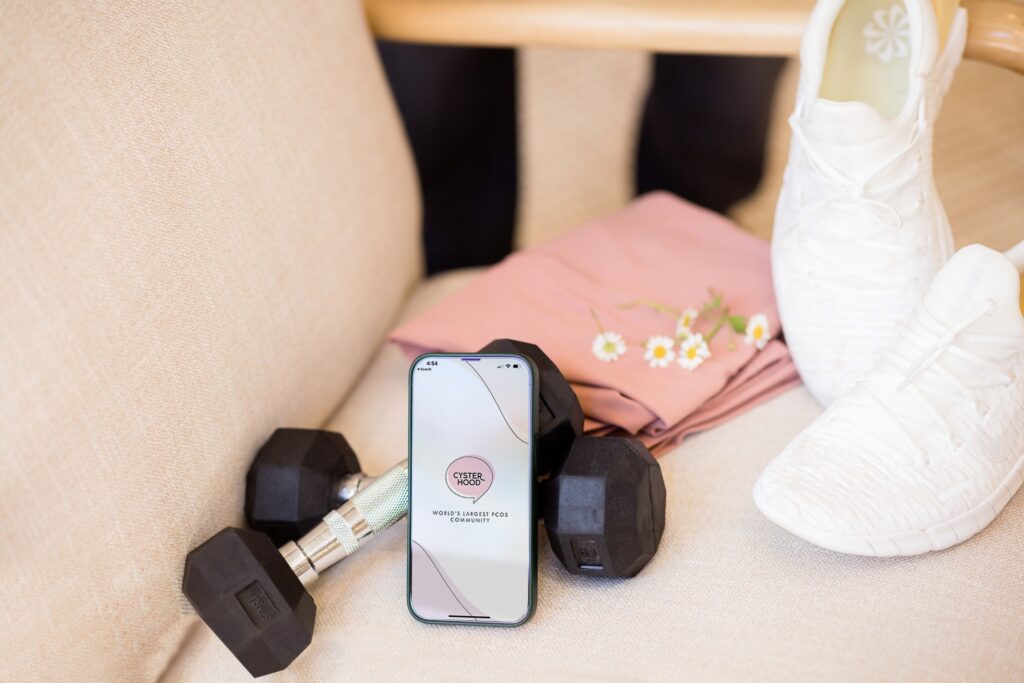
For people that experience fatigue. . . exercise is probably not on the top of things you want to do. So I’m not gonna tell you to run 5 miles a day. However, studies show that slow weighted and low intensity exercise can actually help with fatigue. This is because exercise can lower insulin resistance, relieve stress, balance hormones, AND reduce inflammation.
It’s a total powerhouse when it comes to long-term relief from fatigue. However, make sure the exercises you do don’t increase your heart rate to extreme levels (almost as if you are pushing your body too much). Pumping your body full of stress hormones is not good if you’re already fatigued. Try slow-weighted workouts. You can find lots of exercise routines on The Cysterhood app!
Take the right supplements.
Nutrient deficiencies are another one of the causes of fatigue. Even if you have a super intentional diet, it can be difficult to reach optimal nutrient levels. This is why it’s important to have high-quality, PCOS-friendly supplements that can fill those gaps. When your body has all the nutrients it needs to thrive, your energy production can improve tremendously!
Our Metabolism Plus bundle includes the MetaMulti multivitamin that has essential nutrients to improve your cell’s ability to utilize energy and bust fatigue. Nutrients include vitamin D, vitamin C, B vitamins, magnesium, potassium, and calcium. The other supplements in the bundle, plus Berberine Advanced and Inositol Complete 40:1 can help get to the root of issues like inflammation, insulin resistance, and hormonal imbalances. As those things improve, you can notice a positive difference in your energy levels!

PCOS can make you tired, but there are natural ways to improve your energy levels!
Symptoms of polycystic ovary syndrome (PCOS) don’t have to be something you struggle with forever. There are plenty of ways to get to the root issue of your chronic struggles, reverse those naturally, and live totally symptom-free with PCOS.
Part of PCOS reversal is taking supplements specifically made for your unique PCOS body! That’s why we created Ovafit. Order your first batch today and join us in The Cysterhood. Let’s do this together!