

Polycystic ovary syndrome (PCOS), now called polyendocrine ovarian metabolic syndrome (PMOS), is a condition that affects up to 10% of women between the ages of 18-44. That may not seem like a huge percentage of people, but that’s 6 million women in the U.S. alone! And since PMOS is a condition affecting women of reproductive age, a lot of the symptoms have to do with the reproductive system.
Women with PMOS often have hormone imbalances, including low progesterone, high estrogen, and high testosterone. This can lead to infertility, irregular periods, painful sex, and low libido. All of this can put a huge strain on your sex life.
I’m Tallene, a Registered Dietitian with PMOS myself, and I understand how frustrating it can feel to scour the internet in hopes for answers, only to leave more confused and overwhelmed. That’s why today, I’m focusing on the low libido issue and giving you tips on how to naturally improve the root PMOS issues affecting libido.
Fortunately, there are a lot of ways to mend these hormonal imbalances and other PMOS symptoms leading to low libido and finally get your sex drive back! Here’s what you can do:
Why Does PCOS Cause Low Libido?
Low libido with PCOS (PMOS) can be frustrating, especially because there usually isn’t just one single thing you can point to as the cause. Your sex drive can be influenced by hormones, insulin resistance, physical discomfort, stress, body image, and even how you’re feeling emotionally.
Hormone imbalances are one piece of the puzzle. PMOS is often associated with higher androgen levels, but that doesn’t necessarily mean a higher sex drive. When androgens are out of balance alongside estrogen and progesterone, the hormonal shifts that normally happen throughout your menstrual cycle can also be disrupted. Some women with PMOS may have lower estrogen or progesterone at certain points, particularly when they’re not ovulating regularly.
Insulin resistance may play a role, too. It’s common in women with PMOS and can contribute to fatigue, changes in mood, and other symptoms that don’t exactly leave you feeling in the mood for sex. Insulin resistance can also interact with reproductive hormones, making the overall hormone picture more complicated.
And finally, there’s the physical side of things. Lower estrogen levels can contribute to vaginal dryness for some women, which may make sex uncomfortable or painful. And if you’ve started associating sex with discomfort, it’s understandable that your interest in having it might drop, too.
We also can’t talk about libido without talking about mental and emotional health. PMOS symptoms like acne, hair loss, unwanted hair growth, weight changes, and fertility concerns can affect confidence, self-esteem, and body imagine. Stress, anxiety, depression, relationship concerns, and simply feeling exhausted from managing your symptoms can influence your desire for sex as well.
Does Birth Control Cause Low Libido?
Hormonal birth control can affect your sex drive, but it doesn’t cause low libido for everyone. Some women notice less interest in sex after starting birth control, while others notice no difference or even an improvement.
One possible reason is the way certain hormonal birth control methods affect androgens. Combination birth control pills can increase sex hormone-binding globulin (SHBG), a protein that binds to testosterone in the bloodstream. This can lower the amount of free testosterone available in the body. Since androgens are involved in sexual desire, researchers have looked at whether these changes could contribute to lower libido in some women, although the relationship isn’t always straightforward.
Estrogen and progesterone in hormonal birth control can also change your natural hormone fluctuations by preventing ovulation. For some women, those changes may affect arousal, lubrication, or sexual desire. Vaginal dryness can also make sex less comfortable, which certainly doesn’t help when you’re already dealing with a lower sex drive.
At the same time, birth control can have the opposite effect. If it helps with painful periods, pregnancy anxiety, or other symptoms that were getting in the way of sex, you may actually feel more interested in intimacy.
If you noticed a significant change in your libido after starting or switching birth control, bring it up with your healthcare provider. Different pills, doses, and birth control methods can affect people differently, so you don’t necessarily have to choose between contraception and feeling like yourself.
When to Talk to Your Doctor
Lifestyle changes can be helpful when you’re dealing with low libido and PMOS, but they’re not the only tools available. If changes in your sex drive are persistent, bothering you, affecting your relationship, last longer than 6 months, or simply don’t feel normal for you, it’s worth bringing them up with your healthcare provider.
Definitely don’t brush off painful sex or ongoing vaginal dryness. Dryness can sometimes be related to hormonal changes, medications, or other health conditions, and there are treatments that can make sex more comfortable. Pain during sex can also have several possible causes beyond PMOS, so recurring or significant pain deserves a proper evaluation rather than something you should feel like you just have to “push through.”
It’s also important to talk to someone if low libido is happening alongside persistent sadness, anxiety, loss of interest in things you normally enjoy, or other symptoms of depression. Mental health can have a major impact on sexual desire, and depression and anxiety are treatable.
Your provider can also review medications that may be affecting your sex drive, including hormonal birth control and certain antidepressants, and help determine another option that makes sense for you. The goal isn’t to reach some “normal” amount of sexual desire; it’s to figure out what’s changed for you and whether there’s an underlying issue that could benefit from a little professional attention.
How To Fix Low Libido: PCOS Edition
Take zinc, vitamin D, omega-3, and Inositol Complete 40:1.
Supplements aren’t a replacement for a balanced diet, but certain nutrients have been studied for their potential role in supporting women with PMOS. The important part? Choosing supplements based on what your body actually needs rather than assuming more is always better.
For example, zinc has been studied for symptoms like hirsutism and hair loss in women with PMOS. One clinical trial used 50 mg of elemental zinc per day for eight weeks and found improvements in both, although zinc didn’t significantly change participants hormone levels’. Because 50 mg is above the recommended daily amount and isn’t necessarily appropriate for long-term, talk to your healthcare provider for the right dose for you.
Vitamin D is another important one, especially if you’re deficient. Rather than guessing, ask your healthcare provider to check your vitamin D levels with a blood test before supplementing so you can choose a dose based on your results.
Omega-3s have also been studied in women with PMOS, with clinical trials commonly using around 1,000-2,000 mg per day. Research suggests they may support certain metabolic markers, including insulin resistance and lipid levels, although results vary depending on the dose and type of omega-3 used.
And finally, myo-inositol and D-chiro-inositol are commonly studied for PMOS because of their roles in insulin signaling and reproductive function. Research has used a 40:1 ratio of myo-inositol and D-chiro-inositol, often providing 2 grams of inositols twice daily.
You can grab Inositol Complete 40:1 right from Ovafit, made with PMOS women in mind.
Maintain a healthy weight with a balanced diet.
What you eat can support your metabolic health with PMOS, especially when insulin resistance is part of your picture. Building meals around protein, fiber, healthy fats, and nutrient-dense carbohydrates can help support steadier blood sugar and give your body the nutrients it needs.
Rather than thinking of food as a way to “fix” your libido, think about the bigger picture. Eating enough, keeping your blood sugar more stable, and finding an eating pattern you can actually stick with can support your energy, mood, and overall well-being, all things that can matter when it comes to sexual desire.
II recommend trying a gluten- and dairy-free anti-inflammatory diet for at least 30 days to see how you feel. For tons of support and recipes, download The Cysterhood app! Just give it a try, believe me, this is not a restrictive diet! We love to eat here!

Get better quality sleep.
Sleep and your hormones are surprisingly closely connected, and getting too little quality sleep can also affect your energy, mood, stress levels, and insulin sensitivity. Needless to say, feeling completely exhausted isn’t exactly a recipe for a thriving sex drive!
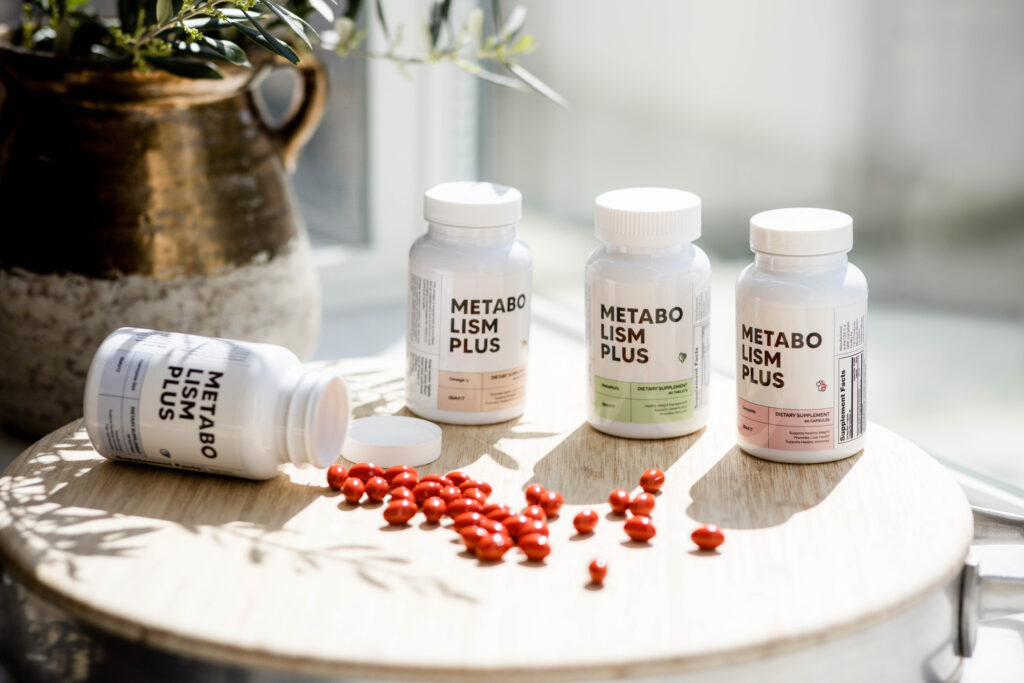
Try creating a consistent nighttime routine and giving yourself enough time to actually rest. I know this can be easier said than done with PMOS, so check out these tips of improving your quality of sleep, and explore the Metabolism Plus Daily Multi (which includes magnesium).
Do slow-weighted workouts 3-4x a week.
Exercise isn’t just for building muscle and losing weight. Regular movement can support insulin sensitivity, cardiovascular health, mood, stress management, and overall health with PMOS. And when you’re feeling stronger, less stressed, and more energized, that may have some benefits for your sex life, too.
You also don’t need to spend hours doing intense workouts to see benefits. I personally love slow-weighted workouts and low-impact movement for women with PMOS because they’re approachable, sustainable, and easy to work into your routine. The most important thing is finding movement that feels good to your body and that you can do consistently.
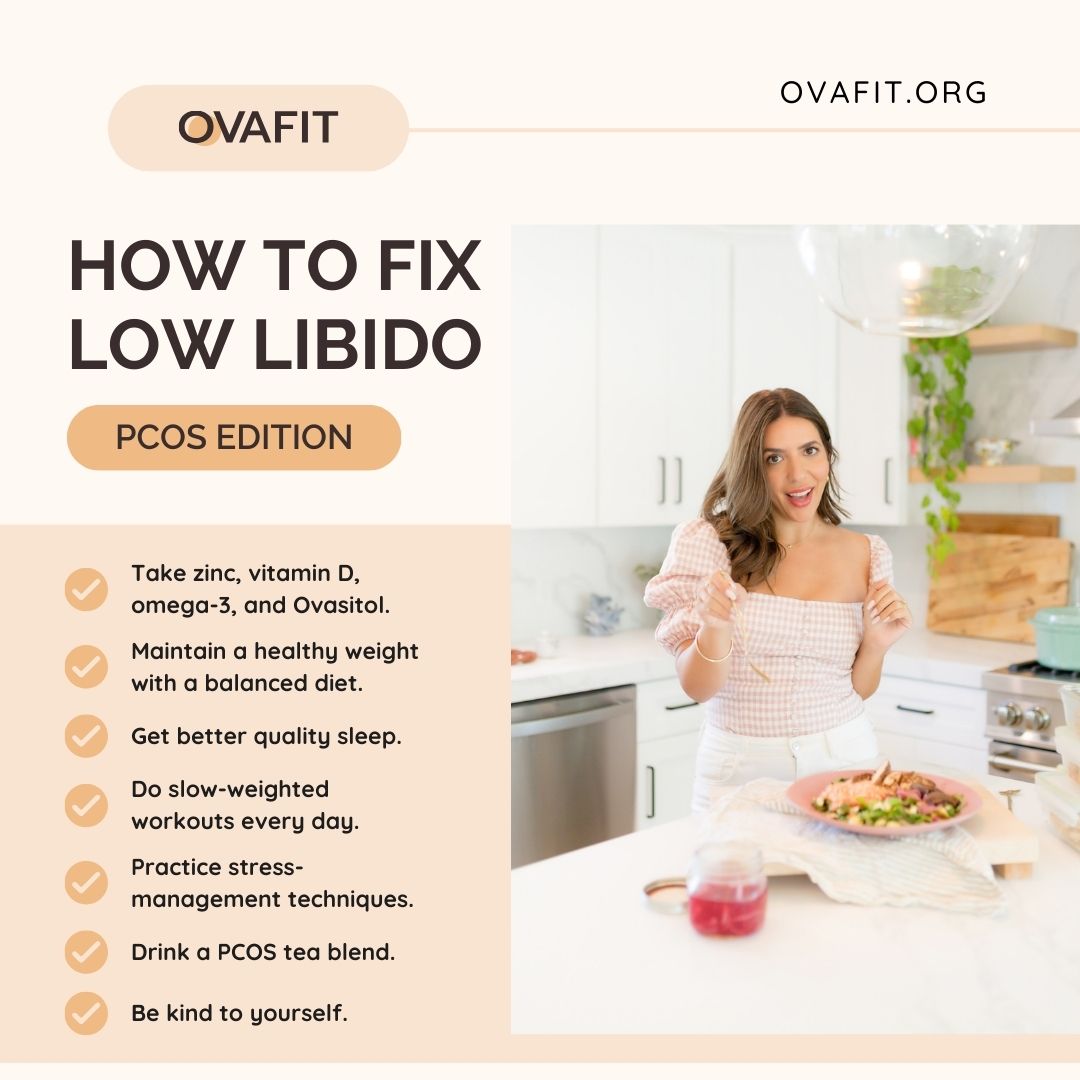
Practice stress-management techniques.
Stress is an actual hormone response in the body. When we’re stressed, our cortisol levels go up, and that actually impacts our sex hormones, insulin resistance, and inflammation as well. This means stress literally makes all of our PCOS symptoms worse, including sexual desire. So, practice self-care and good stress management techniques to keep your cortisol levels low.
Drink a PCOS tea blend.
If you love winding down with a cup of tea, spearmint is one herb that actually has been studied in women with PMOS. In a small 30-day clinical trial, drinking spearmint tea twice daily was associated with reductions in free and total testosterone levels compared with the control tea. However, researchers didn’t see a significant improvement in objective hirsutism scores during the short study period, so there’s still a lot we have to learn.
Other herbs, including chamomile and ginger, have also been studied in women with PMOS, but the research is much more limited and doesn’t show that every one of these herbs lowers testosterone. That’s why I don’t look at herbal tea as a replacement for a total PMOS management plan, but one more supportive habit to add to your routine.
If you want to make this habit a little easier, try our Testosterone Relief Tea, which combines herbs selected with women with PMOS in mind.
Limit exposure to endocrine-disrupting chemicals.
Endocrine-disrupting chemicals are substances that can interfere with the body’s hormone signaling. Researchers are continuing to study how exposure to certain endocrine disruptors may relate to reproductive and metabolic health, including PMOS, but that doesn’t mean you need to panic about everything you’re exposed to in everyday life.
If you want to reduce your exposure where it’s practical, you can start with small swaps, like avoiding heating food in plastic containers, choosing fragrance-free personal care products when possible, and replacing worn non-stick cookware. You can also listen to the episode of A Cyster and Her Mister on removing endocrine disruptors for more ideas.

Be kind to yourself.
Remember that you’re beautiful! It doesn’t matter how PMOS has affected your body. There is so much to love about who you are. You are amazing, sexy, and definitely worthy of affection. Don’t be too hard on yourself while you’re going through this healing process.
Raise your libido using these tips!
The way polycystic ovary syndrome (PCOS), now polyendorcrine metabolic ovary syndrome (PMOS) affects our bodies on the inside and outside shouldn’t stop us from having positive sexual health. It’s time to take control of your symptoms by understanding the root causes and making small lifestyle changes to fix them.
You can find more info on the Ovafit blog, on the PCOS Weight Loss blog, and on The Cyster and Her Mister podcast. You can also take my free “What’s Your PMOS Type?” quiz to learn more about what may be driving your symptoms
You’ve got this,
Tallene, RD
Medical disclaimer: This post is for educational purposes only and is not medical advice. It is not intended to diagnose, treat, or replace care from your healthcare provider. Always talk to your doctor before making changes to your diet, supplements, or medications, especially if you are pregnant, trying to conceive, or taking prescription medication.
These statements have not been evaluated by the Food and Drug Administration. This product is not intended to diagnose, treat, cure, or prevent any disease.