If you have polycystic ovary syndrome (PCOS), now known as polyendocrine metabolic ovarian syndrome (PMOS), you’ve probably come across green tea a lot. Depending on where you look, people claim all kinds of benefits around hormones, cravings, cycles, and everything in between. But with so many options, which one green tea do you actually pick?
I’m Tallene, a Registered Dietitian who has PMOS myself. I spend a lot of time helping women figure out which small, daily habits actually move the needle for their PMOS (PCOS) symptoms. Green tea can be one of those habits worth understanding.
Here’s the thing: not all green tea is the same! So before you add anything to your cart, it helps to know what to look for. Like… What makes one product different from another? Which ingredients and details matter? And how does green tea compare to the other herbal teas for PMOS you’ll see recommended?
In this post, I’ll walk you through a few green tea options worth considering and what to look for when you compare them. I’ll also cover how green tea compares with other popular teas, so you can build a routine that actually fits your symptoms.
Best Green Tea Brand for PMOS: What to Look for and How It Compares
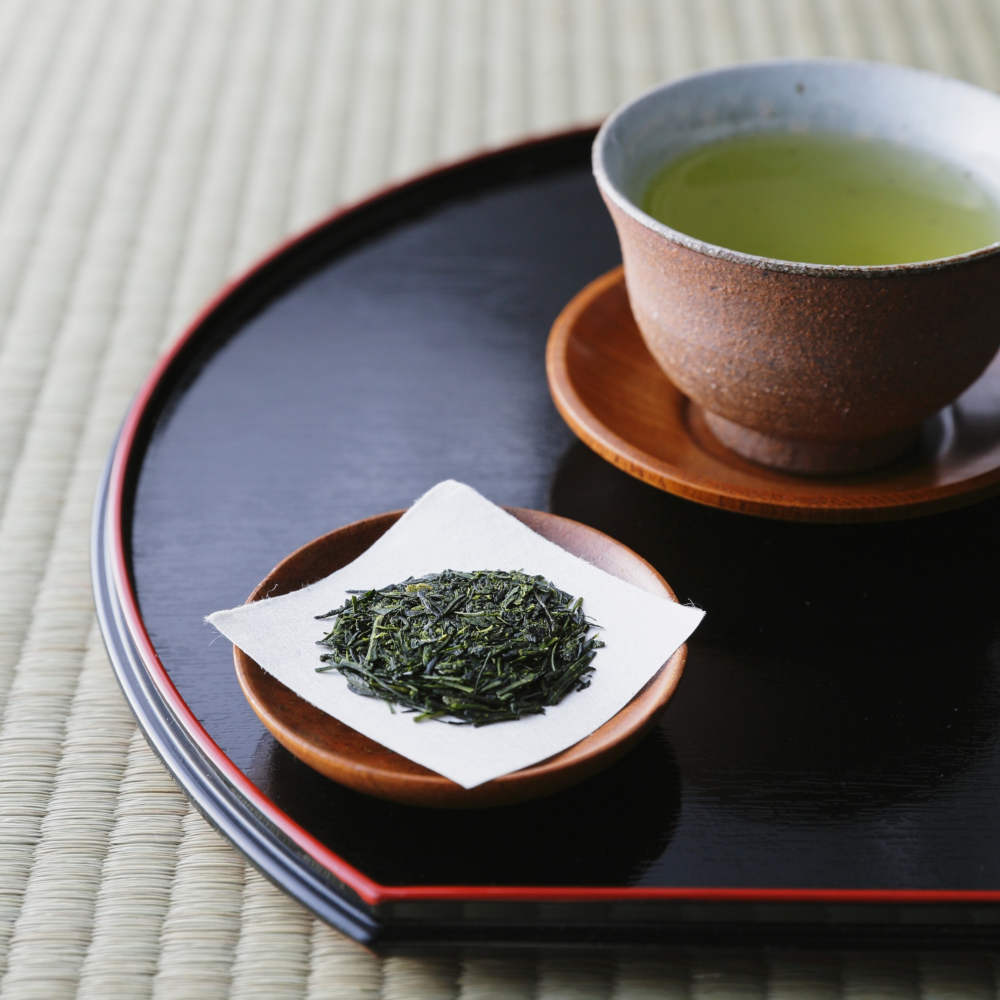
Green tea comes from the Camellia sinensis plant, and a lot of its benefits come down to one group of compounds: catechins, especially EGCG. These are the antioxidants that give green tea its reputation for antioxidant effects and anti-inflammatory support.
Why does that matter for PMOS? Because inflammation and insulin resistance tend to be a package deal. People with the condition usually experience higher levels of inflammation, which can worsen insulin resistance and androgens. Because green tea is rich in antioxidants, studies show that it may help reduce inflammation.
The research on green tea and insulin is where things get encouraging. In a 12-week double-blind, randomized clinical trial of women with PMOS, both fasting insulin and free testosterone decrease. Why does this matter? Because free testosterone is that aggravating androgen tied to symptoms like acne and unwanted hair growth.
In other words, green tea may help with both the metabolic and the hormonal sides of PMOS. But you didn’t think I’d just show you one study, did you? Another study found that green tea, particularly its main catechin EGCG, can help alleviate PMOS symptoms through its antioxidant, anti-inflammatory and insulin-sensitizing effects. It may even help support insulin resistance, reduce androgen levels, and support ovarian function.
That said, the same researchers are honest about the limits. We need more and higher-quality clinical studies to really say whether green tea has therapeutic potential in managing PCOS (PMOS).
Personally? I’d put green tea in the “helpful supportive habit” category, not the “fixes everything” category. But that’s why the brand you choose matters! Two green teas can look identical on the shelf but deliver very different amounts of catechins depending on leaf quality, processing, freshness, and additives. The best green tea brand for PMOS is the one that gives you a clean, high-quality tea you’ll actually drink daily. (Consistency is where the benefit lives.)
Here are the green tea brands that may be worth checking out:
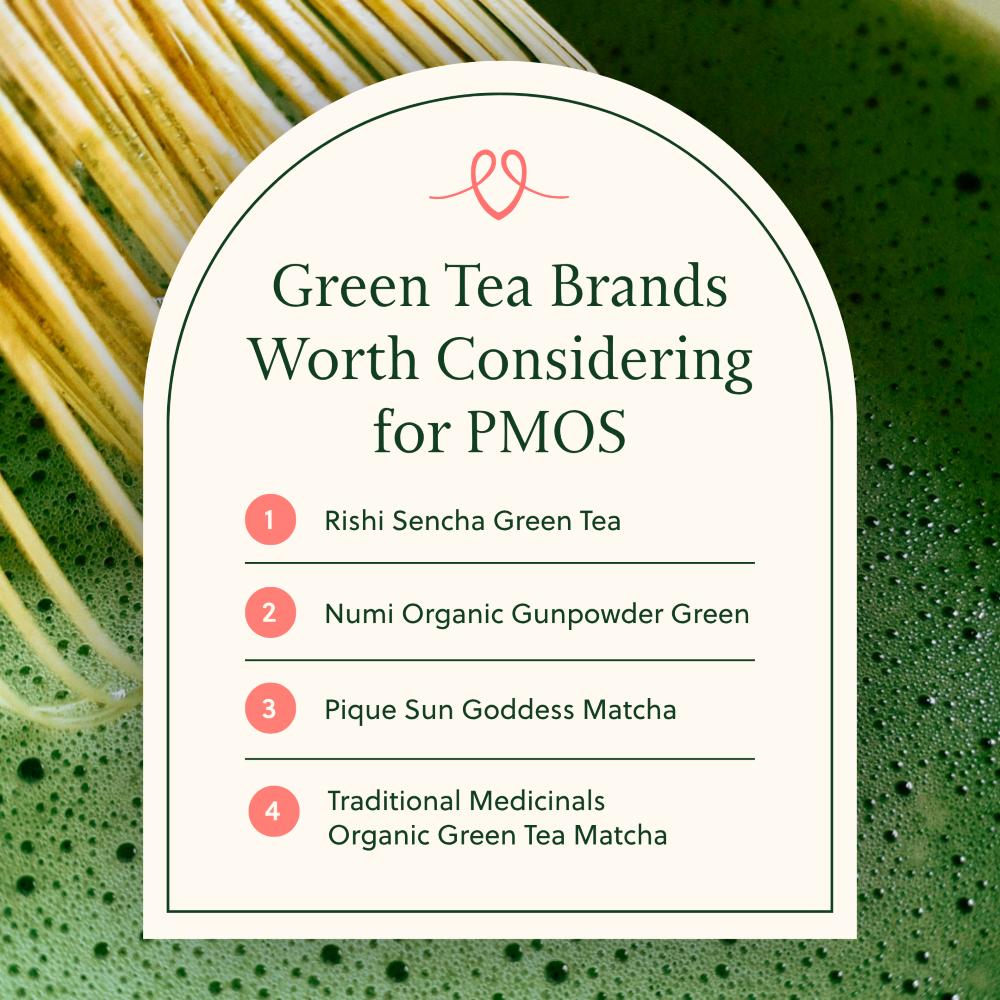
Rishi Sencha Green Tea
If you want an easy green tea option without anything extra added, Rishi’s Sencha is a great place to start. It contains just one ingredient; organic green tea! The leaves are grown on Kyushu Island in Japan and include a blend of first- and second-flush leaves. You can also choose between loose-leaf tea and tea sachets, which I love because you don’t have to turn making green tea into a whole project.
Numi Organic Gunpowder Green
Numi is another simple option with just one ingredient. You guessed it… Fair Trade Certified organic green ts. Its gunpowder green gets its name from the way the leaves are rolled into tiny pearls shortly after they’re picked.
You can get it in both tea bags and loose leaf, and Numi describes it as having a smooth, full-bodied, slightly roasted flavor. This could be a good choice if you want something with a little bit of a richer flavor than a grassy green tea.
Pique Sun Goddess Matcha
More of a matcha fan? Pique’s Sun Goddess Matcha is made with 100% organic ceremonial-grade matcha from Kagoshima, Japan. That’s it! There aren’t any added sugars or extra ingredients hiding in the formula that may spike blood sugar later.
Matcha is a little different from your typical cup of green tea. You’re drinking the ground tea leaf itself rather than steeping the leaves and removing them. Pique also independently tests its matcha for purity, which is a nice feature if ingredient sourcing and testing are important to you.
Traditional Medicinals Organic Green Tea Matcha
For something that’s a little easier to find and doesn’t require learning how to whisk matcha, Traditional Medicinals makes a Green Tea Matcha blend in regular tea bags. Super convenient. It combines organic genmaicha, which is green tea with toasted rice, with organic matcha.
That toasted rice gives it a warmer, nuttier flavor than plain green tea. So if you don’t love the grassy taste that some green teas have, this one may be easier to enjoy. And as a bonus, it’s even made without added natural flavors!
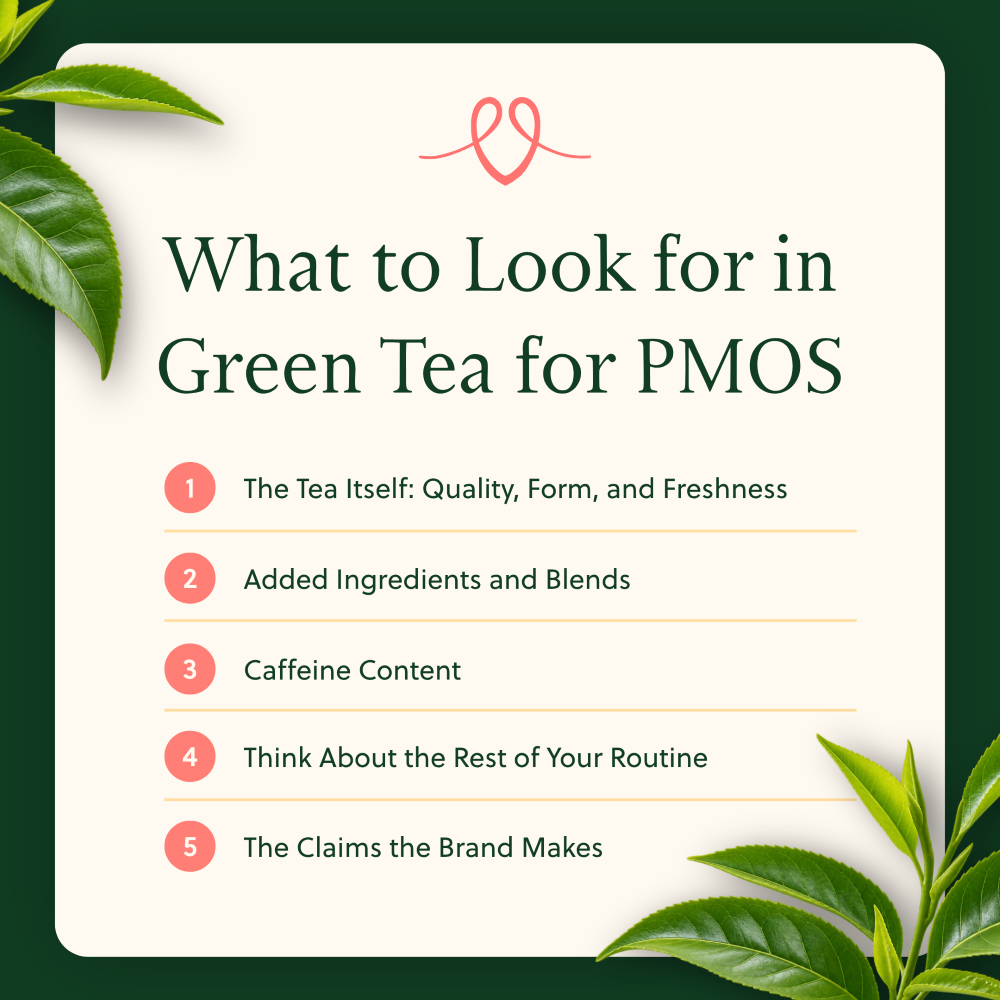
What to Look for in Green Tea for PMOS (PCOS)
Green tea does have some serious benefits that research has backed up for centuries. But aside from taste and formulation, what else should you look for? Spoiler: A few product characteristics tell you far more than the marketing on the front of the box. Here’s what I’d actually pay attention to:
The Tea Itself: Quality, Form, and Freshness
One of the reasons green tea gets so much attention for PMOS is its catechin content, particularly EGCG. Research suggests green tea catechins may play a role in improving insulin sensitivity and supporting healthy blood sugar and insulin levels. This can be especially relevant for women dealing with insulin resistance.
But you don’t need to overcomplicate which form you choose. Loose-leaf green tea, tea bags, and matcha can all have a place in your routine. I’d focus more on choosing a reputable brand with clear sourcing and a simple ingredient list. And remember, the tea you’ll actually drink is probably a better choice than the “perfect” one that sits untouched in your cabinet.
Added Ingredients and Blends
Green tea gets paired with plenty of other herbs and spices. Sometimes that’s just for flavor. But other times, different ingredients can bring their own potential benefits to your cup.
You might see blends with ginger, spearmint, or cinnamon, for example. Ginger tea and cinnamon tea are popular on their own, while spearmint has been studied for potential anti-androgenic effects in women with hirsutism. (I talk ALL about this in my full guide on the benefits of spearmint tea for PCOS.)
That doesn’t mean you need to cram every “hormone balancing” ingredient into one cup. I’d much rather see a short list of recognizable ingredients than a long one filled with sweeteners, fillers, or vague flavorings.
If “hormone balancing” caught your attention, you’re in luck. I have a full guide dedicated to the best teas for hormone balance over on the blog.
Caffeine Content
Green tea naturally contains caffeine. It’s usually less than what you’d get from coffee, but it can still be enough to notice if you’re sensitive to it.
Some women with PCOS (PMOS) feel great after having a cup in the morning. Others notice caffeine makes them feel jittery or makes it harder to fall asleep. Since getting enough sleep and finding ways to reduce stress are both super important for supporting your hormones, there’s no reason to force green tea into your day if the caffeine doesn’t agree with you.
And green tea isn’t your only option! There are plenty of caffeine-free herbal teas for PCOS (PMOS), including ginger tea or spearmint tea. I talk more about some good options in my articles like “What Tea Helps With Bloating.”
Think About the Rest of Your Routine
Before adding green tea to your weekly rotation, I’d also think about what else you’re already drinking throughout the day. More isn’t automatically better, especially if you’re already using different teas to support specific parts of your PMOS management plan.
For example, you might already drink a few cups of spearmint tea because of its potential anti-androgen effects, or enjoy raspberry leaf tea for potential impacts on uterine health. If you’re having several different types of tea throughout the day, pay attention to how much caffeine you’re getting, what ingredients you may be doubling up on, and how each one makes you feel.
The Claims the Brand Makes
This is the one I feel most strongly about as a dietitian. Be skeptical of any tea that promises to “cure” or “detox”.
A trustworthy brand will tell you what’s actually in the tea and where it comes from rather than relying on big promises. If the packaging makes one cup sound like it’s going to magically fix everything, I’d keep looking.
Choosing the Best Green Tea for Your PMOS Routine
The truth is that there’s no best green tea for PMOS. Instead, pay attention to high-quality formulations and clean ingredients. Also, skip the additives, extra sugars, and any potential magical promises on the front of the box. Green tea earns its place in PMOS management plans because it has research to support it. From there, you can layer in lifestyle habits, like a gluten- and dairy-free diet, stress management, and low-impact movement to support your PMOS day to day.
Looking for another tea to add to your routine? Check out Ovafit’s Testosterone Relief Tea. I made it specifically with PMOS bodies and included ingredients like spearmint, chamomile, peppermint, and cinnamon. It can be a great addition for supporting calmer skin, reducing hair thinning, and supporting hormonal balance.
You can also take my “What’s Your PCOS Type?” quiz to learn more about how to start supporting your plan today.
You’ve got this,
Tallene, RD
Medical disclaimer: This article is for educational purposes only and is not intended as medical advice. It is not meant to diagnose, treat, or replace care from your healthcare provider. Always talk to your doctor before making changes to your diet, supplements, or medications, especially if you are pregnant, trying to conceive, or taking prescription medication.
These statements have not been evaluated by the Food and Drug Administration. Ovafit products are not intended to diagnose, treat, cure, or prevent any disease.