

Hormones are an essential part of our body functions and metabolism. They’re produced by glands in the endocrine system and act as messengers in our body, traveling to various organs to regulate their systems and processes. Since hormones impact almost EVERY part of the body, when our hormones are balanced, we tend to feel great. When they’re not, our symptoms show it.
More than 5 million women in the U.S. alone have a hormonal condition called polycystic ovary syndrome (PCOS), now called polyendocrine metabolic ovarian syndrome (PMOS), that can lead to a whole catalog of hormonal imbalance. Think: high testosterone, low progesterone, high estrogen, high DHEA, high cortisol, and more. These symptoms leave us with plenty of chronic symptoms like fatigue, irregular periods, infertility, acne, weight gain, mood swings, and more.
If you’re in the beginning stages of your PMOS journey, you may think birth control or other prescription medications are your only hope for reclaiming your body. As a Registered Dietician and woman with PMOS myself, I’m here to tell you that’s not the case! A handful of intentional lifestyle changes to your diet, exercise routine, sleeping schedule, and more can help you naturally reverse your PMOS struggles and finally live symptom-free!
One of my favorite companions to a PMOS-friendly lifestyle is herbal tea. Teas like raspberry leaf tea and green tea have been used for thousands of years for healing purposes, and now studies actually back up their medical benefits! One of those benefits? Hormone balance! So, today, I’ll give you all the info on the best teas for PMOS control and symptom relief.
Here’s what you need to know:
11 Teas for Hormonal Imbalance in PCOS
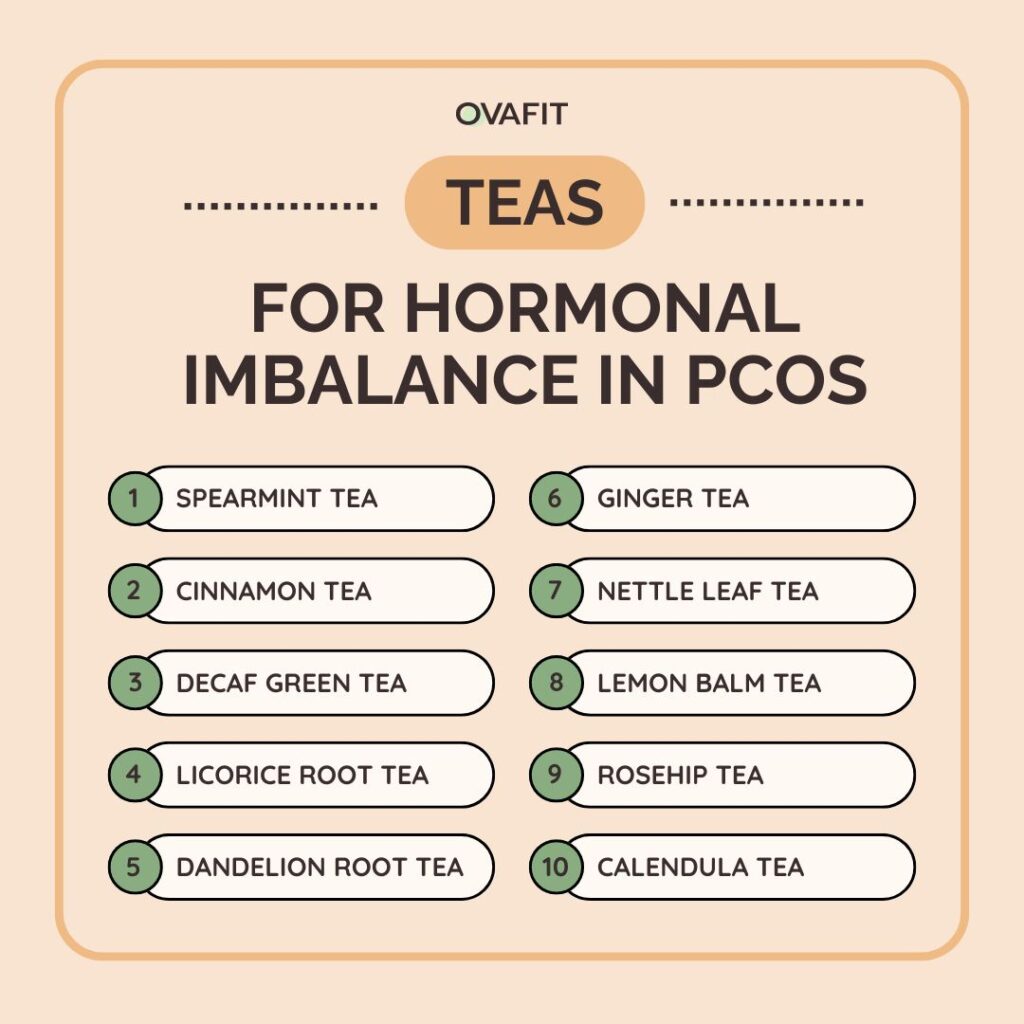
Spearmint Tea
Spearmint tea has a TON of health benefits, especially for women with PMOS. It is known for its anti-androgenic effects, meaning it lowers testosterone levels. High testosterone is the hormone responsible for a lot of your PCOS symptoms like hair loss, hirsutism (body hair growth), acne, irregular menstrual cycles, and more! So, reducing these male hormones can work wonders for your PMOS journey. Just one or two cups of spearmint tea can have a big impact long-term.
Cinnamon Tea
One of the main symptoms of PCOS is insulin resistance. This is when the body struggles to manage blood sugar levels, leading to symptoms like weight gain and irregular periods. Cinnamon tea can improve insulin sensitivity by lowering and controlling blood sugar levels. As a result, women with PMOS who drink cinnamon tea could experience weight loss and more regular menstrual cycles.
Cinnamon tea is also known for its antioxidant and anti-inflammatory compounds. Another symptom of PMOS is chronic inflammation. Reducing this inflammation could also help improve metabolic health and support hormone balance. Big win!

Decaf Green Tea
For thousands of years, people have consumed green tea daily to experience its incredible health benefits. One of the main perks is improving insulin sensitivity. Green tea contains catechins like epigallocatechin gallate (EGCG), which helps regulate blood sugar levels. When you can manage your blood sugar, you may also drop some PMOS weight, lower your insulin levels, and balance other hormones along with it!
Beyond that, a cup of green tea a day can also improve reproductive health thanks to its anti-androgenic effects (it lowers testosterone). However, it’s important to remember to pick a decaffeinated option. Caffeinated drinks can increase our cortisol levels, which are stress hormones that contribute to our hormonal imbalances and symptoms such as stubborn belly fat, fatigue, inflammation, and more. A caffeine-free green tea gives you all the benefits without the harsh cortisol spikes.
As I always like to remind readers: always consult your healthcare provider when you’re trying to conceive or are already pregnant, and are considering adding something new to your diet. They can give your personalized advice based on your history, goals, and experiences.
Related: Best Green Tea Brand for PMOS
Licorice Root Tea
Licorice root tea offers a ton of hormone-balancing support with its anti-androgenic effects, adrenal support, detoxifying features, and anti-inflammatory properties. One of the main hormones this tea helps regulate is cortisol, the stress hormone. Women with PMOS often have high cortisol levels, which can lead to inflammation, weight gain, mood swings, acne and other hormonal imbalances.
This tea also supports liver function, which is crucial for metabolizing hormones and detoxifying the body. Since women with PMOS often have elevated hormones, healthy liver function is SO important. It helps process and eliminate excess hormones, like androgens.
Dandelion Root Tea
Dandelion root tea is another excellent natural remedy to support hormone balance in PCOS. With liver-supporting properties, it can help women with PCOS to improve hormone detoxification and metabolization within their bodies (just like with licorice root tea!). With a properly functioning liver, you can eliminate excess hormones like estrogen and testosterone, helping to achieve a natural balance.
Another great benefit of dandelion root tea for PCOS is that it’s a natural diuretic that reduces water retention and the chronic bloating that comes with PCOS. A cup of dandelion root tea can help make you feel lighter and like yourself again!
For additional information, read our post, “What Tea Helps with Bloating?“

Ginger Tea
Ginger tea is a great natural way to reduce inflammation in the body. Chronic inflammation can cause a lot of PMOS symptoms and contribute to hormone imbalance (here are some signs you may have inflammation). So, adding ginger tea to your routine to help reduce inflammation may help you see improvements in PMOS symptoms like body pain, mood problems, weight gain, lowered immune system, and more. Inflammation is no joke!
Digestive health also plays a major role in hormone balance and inflammation. Ginger is known to soothe and support the digestive system function and improve the absorption of essential nutrients crucial in maintaining hormonal balance throughout the body.
Nettle Leaf Tea
Nettle leaf tea is widely known for its anti-androgenic properties. By reducing male hormones, women with PMOS may see an improvement in symptoms like excess hair growth, acne, and thinning hair. This tea can also reduce the high cortisol levels. By lowering these elevated hormones, women with PMOS can work towards hormonal balance naturally and get symptom relief without the side effects of prescription medication!
Red Raspberry Leaf Tea
Red raspberry leaf tea is another great herbal medicine to incorporate to your PMOS management plan. Because it contains ellagic acid, flavonoids, and antioxidants, research shows that red raspberry leaf tea can lower systemic inflammation and cellular oxidative stress. (These are two root drivers of PMOS symptoms!) Additionally, this tea contains magnesium, calcium, iron, and vitamin C, all of which can be a great way to support hormone health.
Lemon Balm Tea
Research shows that lemon balm tea reduces anxiety and stress, which can lead to lower cortisol levels. Which, honestly, makes sense considering cortisol is the “stress hormone.” The calming effects can also improve sleep quality in women who have trouble sleeping. And, good sleep can improve multiple aspects of your health, including insulin sensitivity and overall endocrine health. Did you know sleep was so important for hormone balance? Here’s more on sleep hygiene and PMOS.
Rosehip Tea
Rosehip tea has been proven to support immune system function, an absolutely necessary function for keeping us healthy. When our immune systems are strong and working properly, our body can better manage the stressors caused by PCOS, like inflammation.
Speaking of inflammation, Cysters can also improve their skin health and reduce acne caused by PCOS. Rosehip tea has antioxidant and anti-inflammatory properties that can lead to clearer skin.
Calendula Tea
Traditionally, calendula tea has been used to regulate menstrual cycles and ease the symptoms that come with having your period. This tea is also a natural remedy for easing menstrual cramps and supporting overall reproductive health. As women with PMOS often experience irregular heavy periods due to hormone imbalance, adding calendula tea to your routine can help a lot!
How to Add Tea Into Your Routine
If you’re looking at this long list of teas and wondering if I am advocating for you drinking 10 different teas a day, I’m not! But, I totally get the concern and confusion. If you want the benefits from all these great teas . . . how do you get that without a dozen mugs of various teas?
A tea blend should be your go-to! Tea blends have multiple types of tea leaves to give you maximum benefit (and flavor) from just one tea bag. It’s the best way to get the most out of your daily benefits!

OvaFit’s Testosterone Relief Tea is exactly that and made specifically for women with PMOS. It includes spearmint tea, lemon balm tea, orange peel tea, chamomile tea, rosehip tea, peppermint tea, cinnamon tea, lavender tea, and calendula tea! Seven of those are FANTASTIC for hormone balance (as you read above).
Plus, Testosterone Relief Tea comes in convenient plastic-free bags, to make the process as easy and guilt-free as possible (no endocrine disruptors from leaching microplastics here). You can grab a box or go ahead and subscribe and save HERE.
But, what if you don’t like straight hot tea? Are there other options? Here are other ways you could get the benefits from Testosterone Relief Tea:
Ways to Make Tea Taste Better:
- Add lemon or lime wedges for a bright, citrusy flavor
- Add orange peel or zest to enhance sweetness naturally
- Infuse with a cinnamon stick for warmth and subtle sweetness
- Add apple or pear slices for natural fruity notes
- Infuse with cucumber or berries for a refreshing twist
- Brew cold instead of hot to reduce bitterness
- Mix with sparkling water for a refreshing tea spritzer
- Add a splash of unsweetened coconut water for mild sweetness and electrolytes
- Sweeten lightly with xylitol or another PCOS-friendly sweetener
- Drink it iced for a cool, refreshing option
- Add brewed tea to your daily smoothie for an extra nutrient boost
- Make tea popsicles with berries for a fun, refreshing treat
If you’re looking to learn more about this condition, take my free “What’s Your PMOS Type?” quiz. This short questionnaire can help you learn more about the different PMOS types and which one you may be currently managing.
Who Should Be Careful With These Teas
While these herbal teas can be extremely beneficial for some people, they’re not the best fit for everyone. This is why I always say it’s essential to talk to your healthcare provider before adding anything new into your PMOS management plan. It’s better to double-check and avoid any discomfort than try it anyways and see what happens! Here are the teas worth having a conversation with your doctor about in some cases:
- Licorice Root Tea: Talk to your doctor before use if you have high blood pressure, heart disease, kidney disease, or low potassium levels. Licorice root can raise blood pressure.
- Green Tea: Talk to your doctor before use if you use blood thinners (like warfarin) or stimulant medication. Even decaffeinated variations still contain small amounts of caffeine.
- Cinnamon Tea: Talk to your doctor if you take diabetes medication or blood-thinners, as cinnamon may influence clotting.
- Dandelion Tea: Check with your doctor if you have gallbladder disease, ragweed allergies, or take certain antibiotics. Dandelion can increase urine flow and stimulate bile production.
- Lemon Balm Tea: Ask your doctor before drinking this tea as it has calming effects and may interact with thyroid medication, sedatives, or medications for anxiety and sleep.
This information is educational and is not a substitute for medical advice. If you have a medical condition, are pregnant or breastfeeding, or take prescription medications, check with your healthcare provider before making herbal tea a daily habit.
How to Know if You Have Hormonal Imbalance
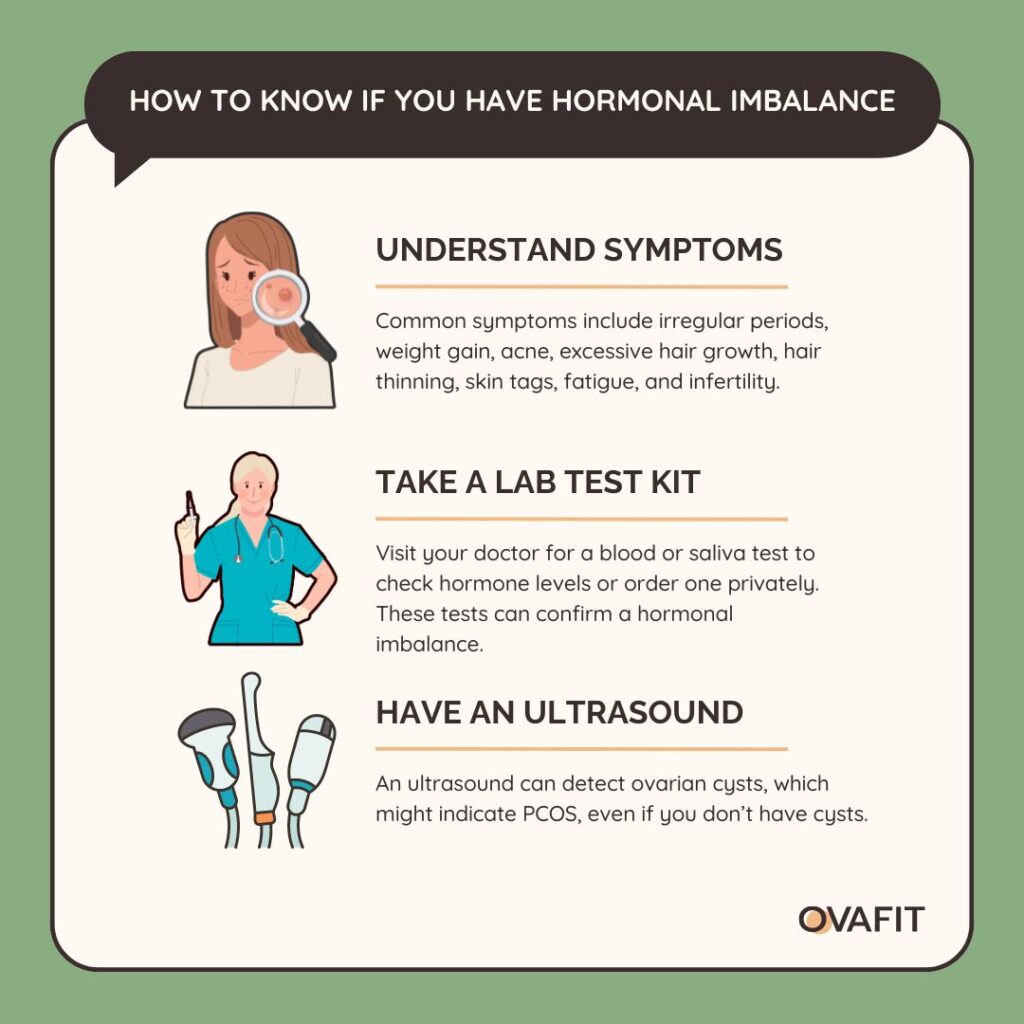
Taking care of your hormonal health is the key to combating common PCOS symptoms. Unfortunately, many women are unaware they have a hormonal imbalance. If you suspect that you have PCOS or a hormone imbalance, there are a few ways to check if this is the case.
Understand symptoms.
The first thing is to understand the symptoms of hormonal imbalances. In the case of PMOS, women often experience irregular periods, weight gain, acne, excessive hair growth, hair thinning, skin tags, fatigue, and infertility. Here’s more on the signs of hormone imbalance with PMOS.
Take a lab test kit.
You can also visit your doctor and request a blood or saliva test to check your hormone levels. If you’d rather do it privately, take this test from Equi Life. This is a concrete way to verify if you have a hormonal imbalance. These tests will determine if your hormones are within normal range and can help lead to a clear diagnosis.
Have an ultrasound.
There is a common misconception that women can only have polycystic ovarian syndrome (PCOS), now called polyendocrine metabolic ovarian syndrome (PMOS), if they also have ovarian cysts (or follicles on their ovaries). This is not the case! There are many cases where women with PMOS never experience having a cyst. However, if you feel pain in your ovaries or reproductive area, an ultrasound can identify the presence of an ovarian cyst, which could lead to a PMOS diagnosis.
Teas for Hormonal Imbalance FAQs
How long before you notice a difference?
There’s no one definitive timeline for how long it takes herbal teas to make a difference in a PMOS management routine. Here’s what I can tell you though: consistency matters. When you drink these supportive teas consistently, you’re giving your body the opportunity to support healthy hormone balance, metabolic function, and your body’s natural processes over time.
How many cups a day can you drink?
It depends on the tea! Generally, one or two cups a day is enough to support your hormones, metabolism, and overall wellness. However, every tea blend is differently. Start slow (with 1 cup a day) and see how your body reacts over a few weeks.
Can you drink these teas while on birth control?
Yes! A majority of them are well-tolerated on birth control. However, you’ll want to be mindful of teas such as St. John’s wort, which can lower birth control effectiveness, as well as high amounts of licorice root, which can cause digestive upset.
Help balance your hormones naturally with herbal teas!
It’s time to take balancing hormones into your own hands! Incorporating natural remedies like herbal teas (or blends of them all like OvaFit’s Testosterone Relief Tea) and high-quality supplements can significantly improve your PMOS symptoms and help balance your hormones.
Read, “How to Detox the Body and Balance Hormones with PCOS” for more tips. For more ways to naturally heal and live symptom-free with PCOS, listen to the A Cyster and Her Mister podcast and download The Cysterhood app! Also, don’t forget to take my free “What’s Your PMOS Type?”quiz to learn more about the root drivers of your symptoms.
Written by Tallene Hacatoryan, MS, RD, founder and formulator of OvaFit. Tallene is a Registered Dietitian who specializes in PCOS (now called PMOS) nutrition and has PCOS herself.
Medical disclaimer: This content is for informational purposes only and is not intended as medical advice. Always consult your healthcare provider before making changes to your diet, supplements, or treatment plan.
These statements have not been evaluated by the Food and Drug Administration. This product is not intended to diagnose, treat, cure, or prevent any disease.