Let’s be real. Losing weight, especially when you’re dealing with polycystic ovary syndrome (PCOS) can feel nearly impossible. This hormonal condition affects nearly every part of your body, from your cycle and energy levels to your mood, cravings, and weight.
The main culprit behind stubborn PCOS weight gain? Insulin resistance. This is when your body struggles to turn glucose (AKA sugar) into energy, so it stores it as fat instead. Even if you’re doing all the “right” things, this imbalance can make losing weight feel like an uphill battle.
But here’s the good news: with the right strategy, it’s 100% possible to lose weight, support your hormones, and actually feel better in your body. And, as a PCOS dietitian, one of my favorite Cyster-approved workouts that checks all the boxes is Pilates. (And Ovafit’s other co-founder, my husband Sirak, is a PCOS personal trainer.)
You’ve probably seen it trending already, and hopefully you’ve read my post, “Pilates for PCOS!” Turns out, it’s more than just hype. Pilates is incredibly effective for women with PCOS because it helps build lean muscle, reduce cortisol, and improve insulin sensitivity. And that’s all without spiking stress hormones.
In this post, I’m breaking down exactly why Pilates is so good for PCOS weight loss. I’ll also cover how you can effortlessly add it to your weekly routine. Best of all? Your fitness levels don’t matter—this is a form of exercise that works for everyone. So grab your mat, throw on your favorite leggings, and let’s get into it.
Note: Recently, PCOS had a name upgrade. It’s now called polyendocrine metabolic ovarian syndrome (PMOCS). Since this name describes the condition MUCH better than PCOS, I’m all about this change! You’ll see me use both terms below.
Is Pilates Good for PCOS Weight Loss?
When most people think about losing weight, they jump straight into high-impact, high-intensity workouts. But if you have PCOS, that approach can actually backfire. (These are the worst exercises for PCOS!)
Intense exercise can spike cortisol (your stress hormone), which only makes it harder to lose weight and balance your hormones. That’s why low-impact movements like Pilates are a total game-changer for Cysters.
Pilates supports weight management, helps you build strength, improve insulin sensitivity, and lower stress levels—all without putting pressure on your body. And when you pair it with PCOS-friendly recipes for weight loss? You create a sustainable, hormone-healing environment.
I’m diving into exactly how Pilates and a PCOS-friendly meal plan work together to support your weight loss goals—without the burnout.
What Is Pilates?
Pilates is one of my favorite low-impact workouts for PCOS—and for good reason. It focuses on controlled movement, deep breathing, and building strength from the inside out. Think: long, lean muscles, better posture, and a calmer nervous system.
It’s all about that mind-body connection. It helps you feel stronger, more supported, and more in tune with your body every time you step on the mat.
Joseph Pilates initially created Pilates in the early 1900s to help injured dancers and athletes recover. It’s gentle on your joints and spine, but still incredibly effective for weight loss. It tones your entire body, improves flexibility, builds muscle, burns calories, and lowers stress levels (hello, hormone balance!).
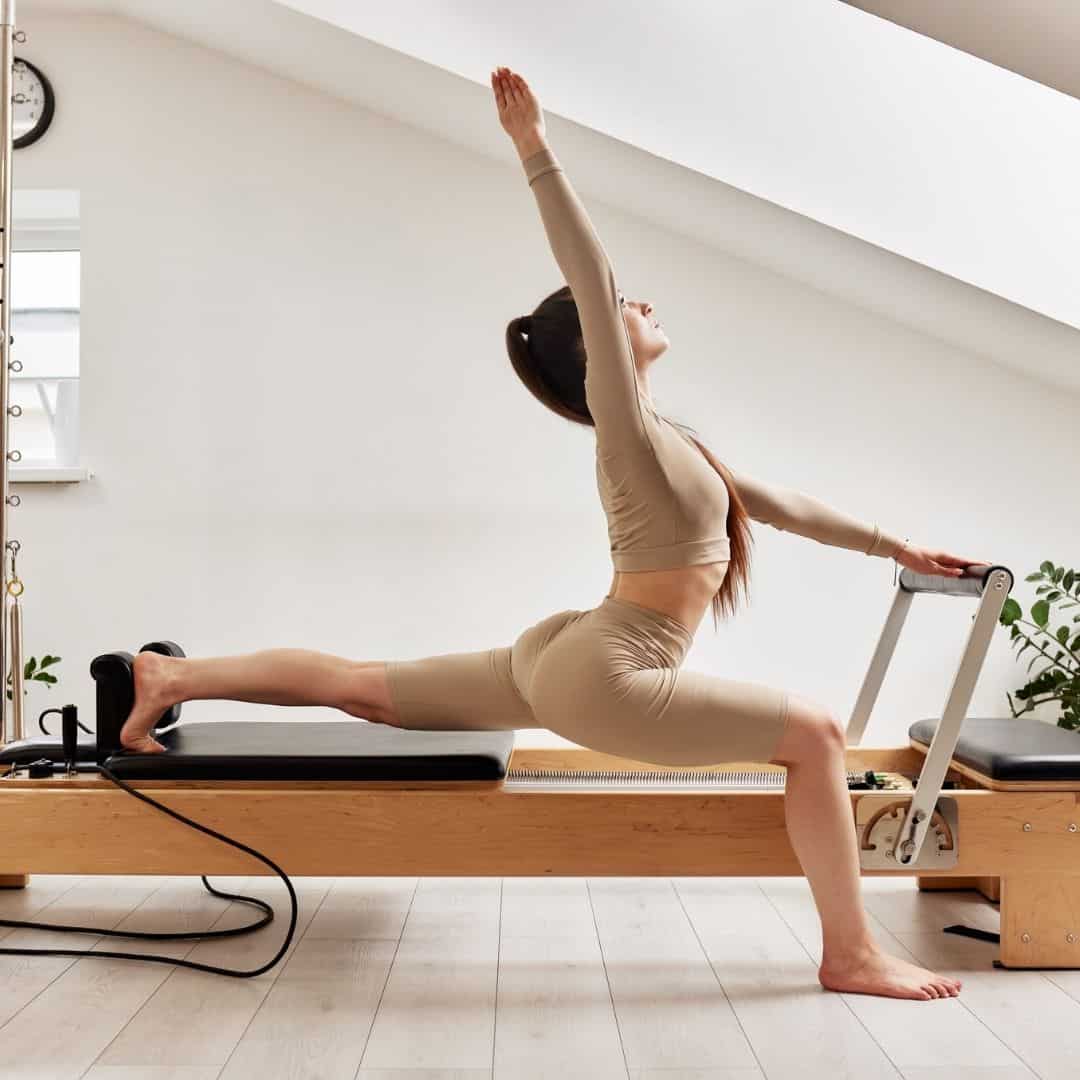
There are two main types of Pilates: mat and reformer. Mat Pilates uses just your body weight and is done on a mat on the floor. Reformer Pilates, on the other hand, uses a spring-based machine for more resistance.
Both are powerful, PCOS-friendly options—and with the right instructor, they’re also really fun.
Is Pilates Good for Weight Loss in Women with PCOS?
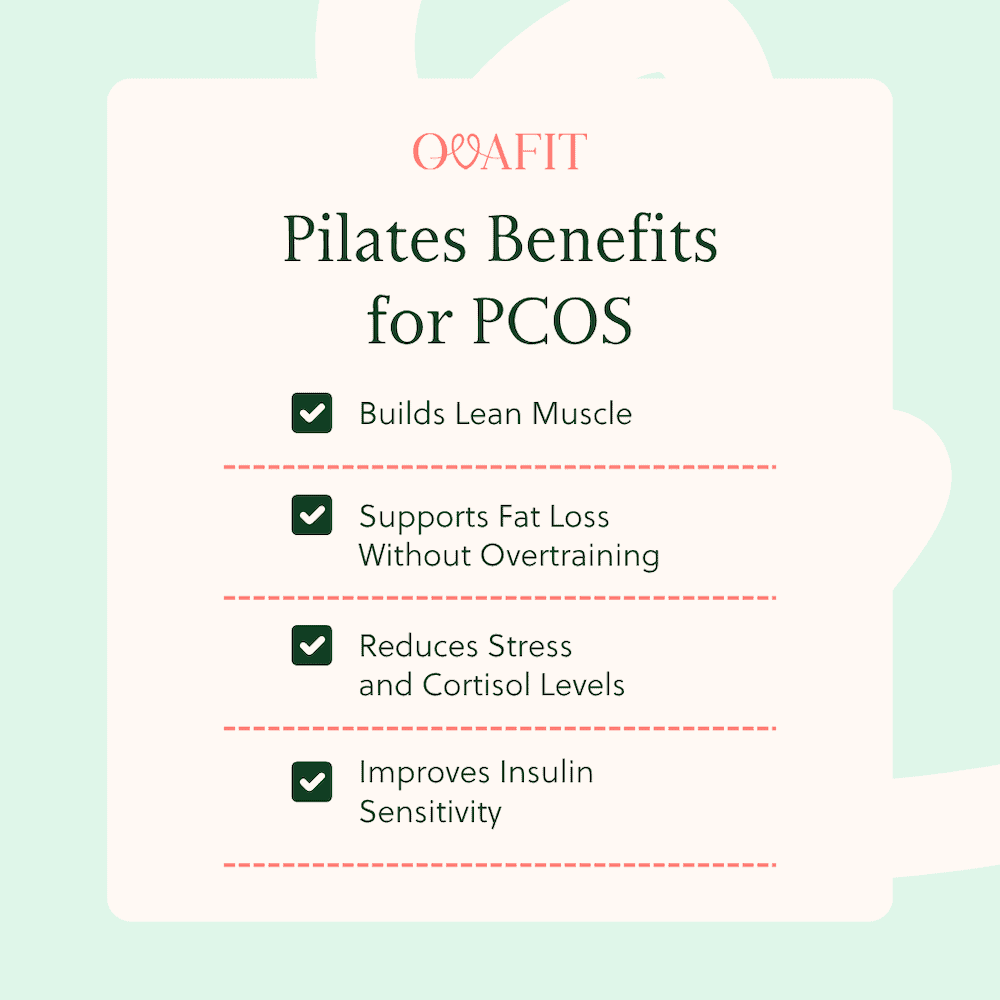
Builds Lean Muscle
Building lean muscle through Pilates is one of the most powerful ways Cysters can boost metabolism, support weight loss, and balance hormones. And the best part? You don’t stress out or overwhelm your body.
Research shows that Pilates strengthens the upper and lower body, as well as the core. But for women with PCOS, it goes beyond just getting stronger. That lean muscle helps combat the metabolic and cardiovascular risks that often come with PCOS.
More muscle means better blood sugar control, fewer insulin spikes, and a much easier time maintaining a healthy weight. And, ultimately, that’s key to managing PCOS symptoms and improving your quality of life.
Supports Fat Loss Without Overtraining
Overtraining and high-impact workouts can actually stall your progress when trying to lose weight with PCOS. All that stress on your body spikes cortisol. And when cortisol is high, fat loss becomes even harder. That’s where Pilates comes in.
It may look slow and gentle (and you might not even break a sweat), but trust me—those controlled movements are doing serious work. You’re burning calories, building lean muscle, and supporting hormone balance, all without overloading your system.
Even better? Pilates doesn’t send your cortisol through the roof. It helps keep it steady and can even lower it. That means less fatigue, fewer crashes, and a better chance at finally shedding that stubborn PCOS belly fat.
Reduces Stress and Cortisol Levels
Women with PCOS often struggle with elevated cortisol levels. That’s the stress hormone that tells your body to hold onto fat and fuels inflammation, as well as induces feelings of anxiousness and depression. Not exactly what we want when we’re trying to lose weight or balance hormones.
Here’s the good news: One of the biggest benefits of Pilates is it’s ability to lower cortisol and calm your nervous system.
Through slow movements, breathwork, and that deep mind-body connection, your body makes an important shift. It steps out of that “stress storage mode,” and back into the “fat-burning and healing” mode. It’s like hitting the reset button for your hormones, one deep breath at a time.
Improves Insulin Sensitivity
Remember how I talked about insulin resistance being the biggest roadblock to losing weight with PCOS? Here’s the exciting part: Pilates can actually help improve your insulin sensitivity. That means more stable blood sugar levels, more energy, and less of that exhausting fatigue. And yes, it also means your body becomes much more responsive to weight loss.
Even losing just 5-10% of body weight can spark major changes in your symptoms. Once you start reversing insulin resistance, that’s when things really change for the better. Think fewer cravings, more energy, balanced moods, and regular cycles.
Can You Do Pilates On Your Period?
Yes! Pilates is actually one of the best exercises to do during your period (whether you have PMOS or not.) It’s gentle and low impact, which can help relieve cramps, reduce bloating, boost circulation, and even better your mood. That said, I know doing any kind of physical activity on your period isn’t super fun, so here are some tips to make it more doable:
- Choose a lighter workout: If you’re feeling fatigued or crampy, opt for a beginner, restorative, or stretching-focused Pilates session instead of an intense workout. Gentle movement is often enough to help you feel better.
- Listen to your body: Don’t push through pain or exhaustion. Modify exercises, take breaks when you need them, and remember that your energy levels naturally fluctuate throughout your cycle.
- Stay hydrated: Drinking plenty of water before and after your workout can help combat bloating, headaches, and fatigue while supporting your overall performance.
- Wear comfortable period protection: Choose whatever makes you feel the most confident, whether that’s a tampon, menstrual cup, period underwear, or a pad designed for movement. Feeling secure makes it much easier to focus on your workout.
- Eat a light snack beforehand: A small meal or snack with protein and complex carbohydrates 30 to 60 minutes before Pilates can help maintain your energy levels and prevent lightheadedness.
- Don’t be afraid to rest: If you’re dealing with severe cramps, very heavy bleeding, dizziness, or simply feel worn out, give yourself permission to take the day off. Resting when your body needs it is just as important as exercising.
Pilates vs. Strength Training For PCOS
If your goal is weight loss with PMOS or PCOS, both Pilates and strength training have a place in your routine. They simply offer different benefits.
Strength training is generally the most effective form of exercise for long-term weight loss. Why? Because it builds lean muscle, increases your resting metabolic rate, improves insulin sensitivity, and helps your body burn more calories throughout the day. Since insulin resistance is one of the biggest drivers of PMOS weight gain, resistance training should ideally be part of your weekly routine.
Pilates improves core strength, posture, flexibility, balance, and overall body awareness. It also provides a low-impact workout that many women find easier to stick with consistently, especially during periods of high stress, flare-ups, or their menstrual cycle.
For the best results, aim to combine 2–4 days of strength training with 1–3 Pilates sessions each week. Strength training supports muscle growth and metabolic health. Then, Pilates complements it by improving mobility, recovery, and overall fitness. Together, they create a super well-rounded exercise routine that’s both effective and actually sustainable for long-term weight loss.
How to Build a PCOS Pilates Routine
- Start with 2-3 sessions per week: This gives your body time to adapt while building consistency. As your fitness improves, you can gradually increase your frequency.
- Find workouts that fit your fitness level: Search YouTube or Pilates apps for beginner, mat Pilates, or low-impact workouts. As you get stronger, you can gradually progress to longer or more challenging routines.
- Pair Pilates with strength training: Use Pilates to improve mobility, flexibility, and core strength while incorporating slow-weighted workouts 2-4 days per week to support weight loss and insulin sensitivity.
- Add daily walks when possible: A 10-20 minute walk after meals or Pilates sessions can help improve blood sugar regulation and increase your overall activity level.
- Progress gradually: Increase the length, intensity, or difficulty of your workouts as they become easier. Challenging your body over time helps you continue building strength and fitness.
- Stay consistent: Pilates delivers the best results when you stick with it. Even a few sessions each week can make a meaningful difference when combined with a PMOS-friendly diet and other healthy lifestyle habits.
How Often Should You Do Pilates For PCOS?
Do Pilates 2-4 times a week if you have PMOS. This is enough consistency to help you really see big results in strength, flexibility, and weight loss. Just remember to also include slow-weighted workouts from The Cysterhood app at least 2-4 days. These two forms of exercise complement each other perfectly for PMOS!
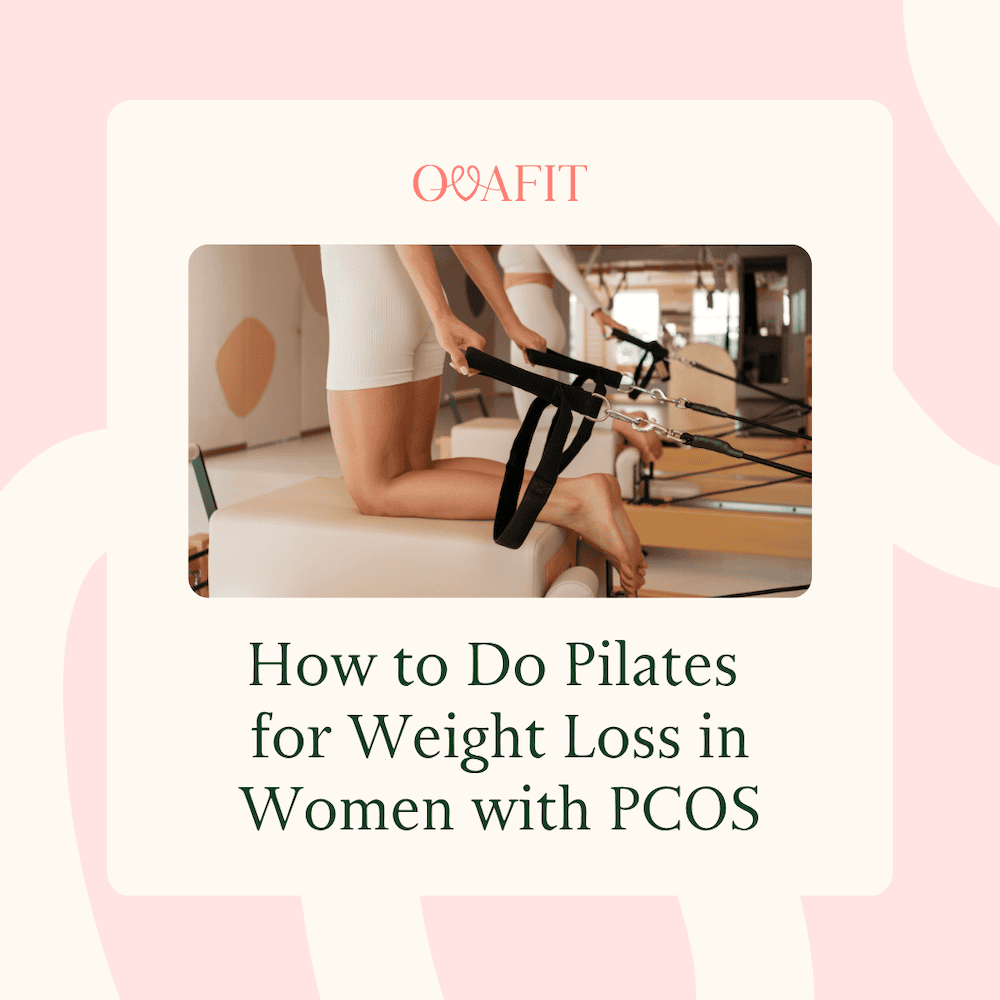
How to Do Pilates for Weight Loss in Women with PCOS
Start slow and be consistent.
You don’t need to jump into an intense, 60-minute Reformer class to see results. In fact, it’s better if you don’t.
Start slow with just 20-minute mat Pilates sessions once or twice a week. You can follow along with the instructors inside The Cysterhood app to build confidence and get your form right. As you get more comfortable, then you can gradually increase to three sessions a week. Plus, you can even challenge yourself with new moves, extra reps, and longer workouts.
Here’s the key here: slow and steady wins the race. It’s the best way to support your body, build strength, and keep those cortisol levels in check.
Focus on mat pilates first.
I’m a big fan of trying before buying, and the same totally applies to Pilates.
Before spending money on professional classes or fancy equipment, start with simple at-home workouts. Just roll out a mat and follow along with beginner-friendly videos (like the ones inside The Cysterhood app!).
Once you start enjoying it—and noticing the results—that’s your sign to level up. Trust me, you’ll know when you’re ready to take it more seriously.
Avoid overtraining.
We’ve all had that moment where we’re fired up to “get back on track” and commit to working out. However, a lot of the time, we’re either scheduling five days of intense exercise a week, or pretending we didn’t make that promise in the first place.
With PCOS, more isn’t always better. Overtraining can actually work against your goals. Instead, stick with Pilates just three to four times a week max, and give your body to rest and recover between sessions. Recovery is where the magic happens.
Want to stay active on your days off? Go for a long walk. It’s amazing for your hormones and a perfect way to support your body without stressing it out.
Use breathwork to lower stress.
When you do Pilates for PCOS, don’t underestimate the power of your breath.
Deep, intentional breathing is a game-changer—it helps calm your nervous system and lower those stress hormones, especially cortisol. And when cortisol is under control, your body holds onto less inflammation.
That’s a massive win if you’re trying to lose weight or manage insulin resistance. Essentially, the calmer your system, the better your hormones respond. This also means that your body can easily shift right into healing mode.
Follow PCOS-aware instructors.
When you follow Pilates instructors who actually understand hormone health, everything changes.
That’s why The Cysterhood app is your go-to for Pilates workouts designed just for Cysters. These aren’t random exercises—they’re thoughtfully created to support your hormones, reduce stress, and help ease PCOS symptoms.
Inside the app, you’ll find hundreds of guided videos from PCOS-aware instructors. Plus, you’ll get a weekly workout planner to help you stay consistent without burning out.
And the best part? You can pair your workouts with PCOS-friendly recipes, so you’re supporting your hormones on and off the mat. It’s the kind of holistic routine your body’s been craving.
If you need a little encouragement in the right direction, check out:
- PCOS Breakfast Recipes for Symptom Relief & Weight Loss
- Foods for Healthy Ovaries and Uterus
- PCOS Chicken Recipes Your Hormones Will Love
See the power of Pilates reverse your PCOS symptoms with a little help from Ovafit and The Cysterhood.
Pilates is a powerful tool for PCOS weight loss, but it’s only part of the equation. To really move the needle, you’ve got to pair your workouts with a gluten- and dairy-free anti-inflammatory diet and PCOS supplements for weight loss.
That’s where Ovafit comes in. Inside The Cysterhood app, you’ll find everything you need. I’m talking easy, PCOS-friendly recipes, guided workouts, and a full plan to help you stay consistent.
And when it comes to supplements? Our NSF-certified PCOS line is designed with Cysters in mind. One of our absolute must-haves for weight loss is Berberine Advanced! This natural GLP-1 booster helps stabilize blood sugar levels and improve insulin sensitivity while promoting healthy weight loss.
Want to explore which supplements are right for your symptoms? Check out our full PCOS supplement line here.