
Coenzyme Q10 (CoQ10) is a natural antioxidant produced by our bodies and is a highly beneficial supplement for managing symptoms of polycystic ovary syndrome (PCOS). It’s one of my favorites for improving fertility, boosting ovulation, lowering insulin resistance, reducing blood pressure, and increasing energy levels of women with PCOS!
Although it is naturally occurring, many women with PCOS are deficient and could use a little extra boost of CoQ10. While many think the first solution is to eat more meat (especially organ meats like liver or fatty fish), leafy veggies, and nuts into your PCOS-friendly diet, it can be super hard to get the necessary amount of CoQ10 every day!
Research shows adding Coenzyme Q10 supplementation to your daily routine may drastically improve some of your PCOS symptoms! Today, I’m diving into exactly how much CoQ10 women with PCOS should take to experience the incredible benefits of this natural supplement.
How Much CoQ10 for PCOS? Dosage, Benefits, and Tips
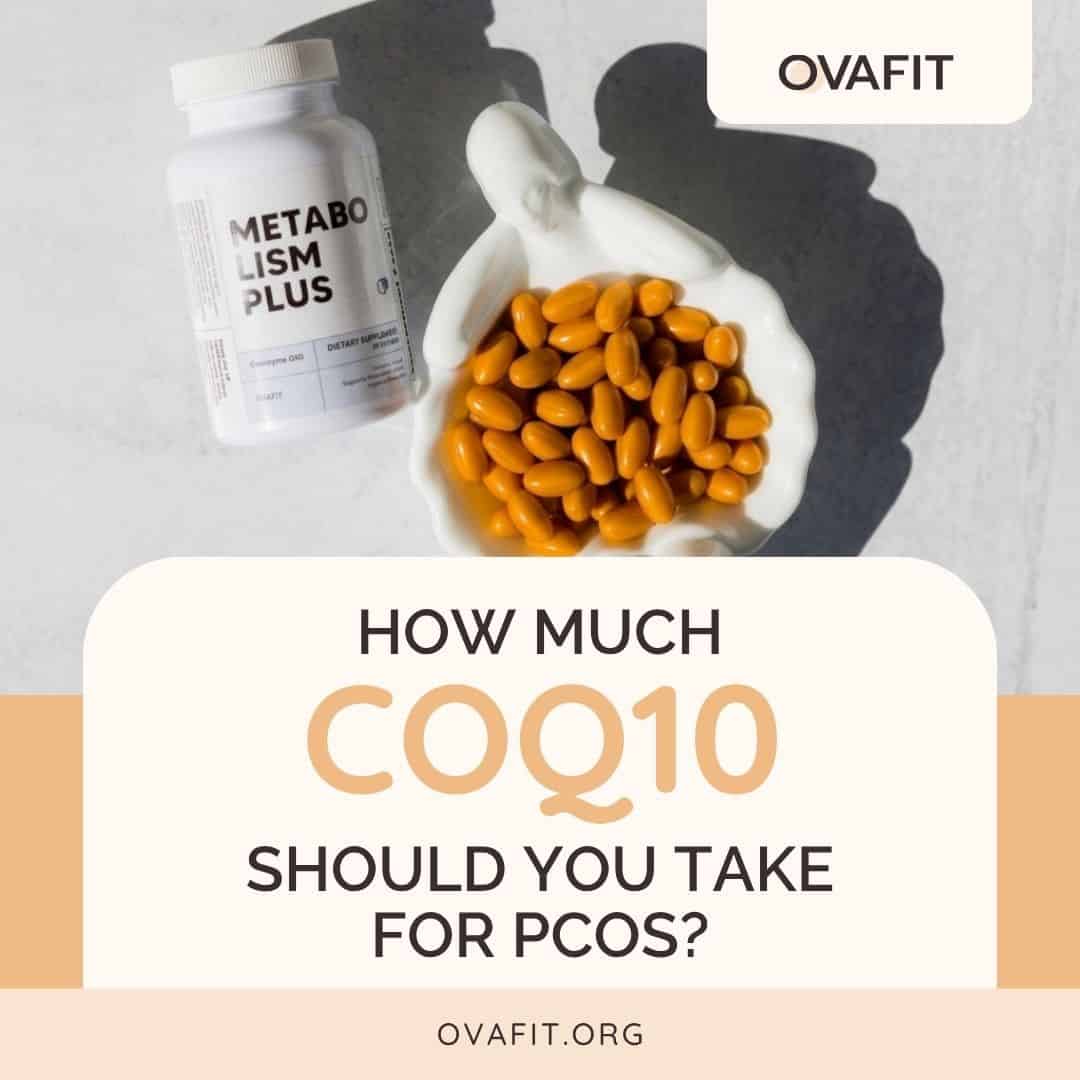
How Much CoQ10 Should You Take for PCOS?
I am all about finding natural ways to reverse PCOS, and supplements are a great step for our PCOS journeys. However, with so many supplements out there, it can feel overwhelming trying to figure out what to get, especially when receiving surface-level information. This post is meant to make it easy to add CoQ10 to your supplement routine!
Is CoQ10 Good For PCOS?
Yes! CoQ10 is AMAZING for managing PCOS symptoms! The positive effects of coenzyme Q10 on PCOS bodies are undeniable when researched in randomized, double-blind placebo studies. It’s one of the most research-backed supplements for PCOS! Research has shown that taking CoQ10 supplements can help improve fertility, insulin sensitivity, lipid profiles, and energy levels!
What Does CoQ10 Do For PCOS?
When you take CoQ10, it acts as a powerful antioxidant and enhances cellular energy by producing adenosine triphosphate (ATP). For women with PCOS, this can improve insulin sensitivity, which also reduces the risks of a few long-term complications of PCOS, including health conditions like type 2 diabetes and heart disease. It also can reduce oxidative stress and inflammation, which are often elevated by PCOS. Lastly, CoQ10 may improve egg quality and hormonal balance! All this is great for relieving PCOS symptoms and improving fertility and menstrual regularity!
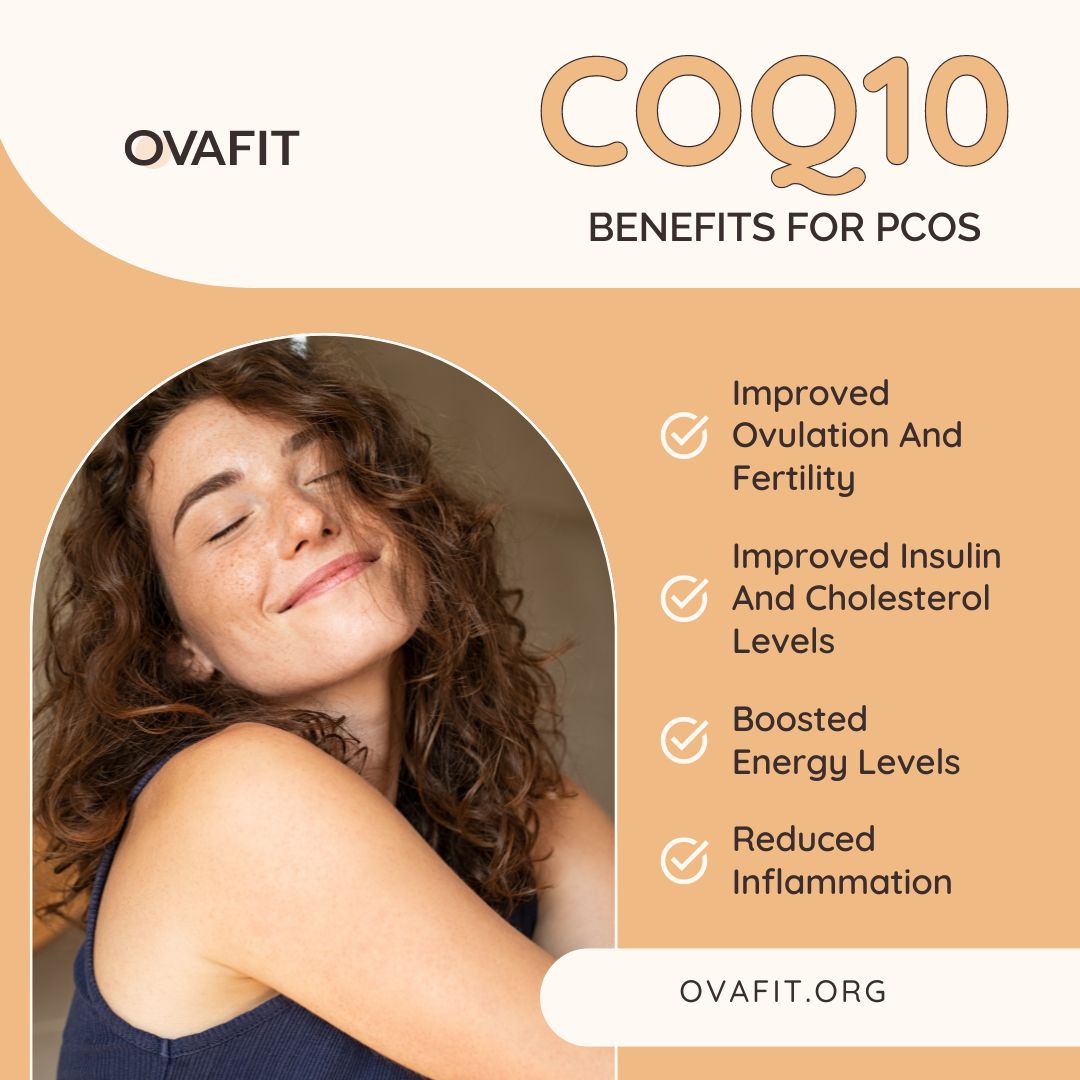
CoQ10 Benefits For PCOS
Improved Ovulation And Fertility
For women with PCOS who are trying to get pregnant, CoQ10 has been shown to help with fertility by improving egg quality, slowing reproductive cell aging, fighting free radicals, and increasing mature follicles! And for those who are trying to conceive, CoQ10 can potentially increase the pregnancy rate!
Improved Insulin And Cholesterol Levels
When glucose levels are too high, which is common for women with PCOS, it can cause irregular menstrual cycles, weight gain, fatigue, skin tags, dark skin patches, and more! Studies have shown that CoQ10 may significantly improve insulin levels, leading to lower blood sugar levels and even weight loss.
This meta-analysis of randomized and placebo-controlled clinical trials just looked at women with PCOS and found that even at low doses coenzyme Q10 could be super beneficial for PCOS-related insulin resistance!
Boosted Energy Levels
CoQ10 can have amazing effects on energy production! This is a game change for Cyster especially since chronic fatigue is a common symptom of PCOS. This natural supplement will help you avoid feeling sluggish throughout the day because it provides your cells and hard-working organs, the brain and heart, the energy they need to keep you going!
Reduced Inflammation
CoQ10 is also known for its anti-inflammatory properties! One of the 4 PCOS types is chronic inflammation, which is when your immune system attacks healthy cells, causing gut health issues, body aches, fatigue, weight gain, frequent infections, worsened hormone imbalances and worsened insulin resistance. This is why we needed to include CoQ10 in our Metabolism Plus supplement kit here in OvaFit.
How to Eat CoQ10 for PCOS
Organ Meats
Organ meats have the most concentrated food sources of CoQ10. Add beef liver, chicken liver, or pork heart onto your menu if you really want to up your CoQ10 using food.
Fatty Fish
Fatty fish also offer a decent amount of CoQ10—as well as lots of healthy omega-3s. Salmon, mackerel, sardines, and trout are some of the best sources.
Muscle Meats
Muscle meats like beef, chicken, pork, and turkey don’t have as much CoQ10 as organ meats, but they’re still good sources. If you’re not brave enough for organ meats, definitely incorporate plenty of fatty fish and muscle meats into your diet.
Nuts and Seeds
For a plant-based food source for CoQ10, try paints, pistachios, and sesame seeds. The offer only a modest amount of natural CoQ10 but every little bit helps.
Vegetables
Broccoli, cauliflower, spinach, and Brussels sprouts have small amounts of CoQ10. They won’t give you all the CoQ10 you need, but they’re packed with other nutrients valuable for any diet—especially a balanced PCOS diet.
Who Should Take CoQ10 Supplements?
CoQ10 is something your body naturally makes, but levels can drop because of age, stress, and certain health conditions. While food helps, many people don’t get enough to see real therapeutic benefits—especially if they’re dealing with hormonal or metabolic issues.
Here’s who may benefit the most:
- Women with PCOS
- Women trying to conceive or support egg quality
- People with low energy or chronic fatigue
- Those with insulin resistance or blood sugar imbalances
- Individuals taking statin medications
- People focused on heart health
- Those who experience frequent migraines
How Much CoQ10 for Female Fertility?
As always, it’s best to discuss the exact dosage with your doctor. But, most research (including multiple randomized controlled trials) recommends:
- 100–300 mg per day for general fertility support
- 200–600 mg per day for women over 35 or with diminished ovarian reserve
How Much Coenzyme Q10 Should I Take Daily for PCOS?
Generally, around 125 mg of CoQ10 can be a helpful daily amount for women with PCOS. That said, it’s always best to check with your doctor first. What really matters, though, is how well your dosage can be absorbed.
A highly bioavailable form—like one made with advanced absorption technology—can deliver significantly more usable CoQ10 than standard supplements, even at the same dose. That means a 125 mg dose can be very effective when your body is actually able to absorb and utilize it! This is why we use VESIsorb® technology with Ovafit’s Coenzyme Q10.
CoQ10 Dosage For PCOS
Studies have shown that when you add around 100 mg of CoQ10 per day to your vitamin regimen, you may experience positive benefits in reducing PCOS symptoms. However, recommended doses can go up to 200 mg per day.
It’s important to speak with your doctor before starting a new supplement to ensure it doesn’t interact with other medications you may be taking.
CoQ10 FAQs
Should I take CoQ10 with food?
Yes. CoQ10 is fat soluble, which means it’s best absorbed when taken with food. And, CoQ10 is better absorbed by women with a meal containing fat, like avocados, fatty fish, nut butters, and eggs.
How long does it take to see results from CoQ10?
CoQ10 needs time to build up in your cells, so it usually takes about 2-3 months to see results. So, continue to take your recommended dosage and know that consistency will make the supplement more and more effective over time.
Are there side effects of CoQ10?
Most people tolerate CoQ10 well and don’t experience any negative side effects. However, it can cause an upset stomach, loss of appetite, heartburn, headaches, and dizziness. Make sure you talk to your doctor right away if you have any of these side effects.
Does CoQ10 interfere with any medications?
CoQ10 could reduce the effectiveness of blood pressure medications and blood thinners. It could also interfere with diabetes medications and destabilize blood sugar levels. This is why it’s super important to get your doctor to sign off on your supplement regimen before you start taking anything new.
Why does the quality of the supplements matter?
It’s crucial to choose a high-quality supplement because the FDA doesn’t regulate them. This means there’s no guarantee that the claims on the label are accurate. Some supplements may have poor bioavailability, meaning your body can’t absorb or use the CoQ10 effectively, while others might contain fillers or lower-than-stated amounts of the active ingredient. Opting for a reputable brand that undergoes third-party testing ensures you’re actually getting a product that works as intended.
What is NSF-certified mean?
If a supplement is “NSF-certified” (like ours at Ovafit), it means it’s been tested and certified by NSF International. This is an independent organization that sets public health and safety standards beyond what’s legally required. For supplements, this certification means:
- Ingredient Verification: The supplement contains exactly what’s listed on the label, in the stated amounts.
- Contaminant Testing: The product is free from harmful levels of contaminants like heavy metals, bacteria, or other impurities.
- Good Manufacturing Practices (GMP): The facility producing the supplement follows strict quality control procedures.
Basically, an NSF-certified supplement gives you confidence that the product is both safe and accurately labeled!
Can I combine CoQ10 with Inositol Complete 40:1 or other PCOS supplements?
Yes, CoQ10 is often taken alongside Inositol Complete 40:1, omega-3, curcumin, berberine, and a multivitamin for a comprehensive PCOS support plan. You can find all of those at Ovafit!
Related: What Does NSF Certification Mean for PCOS?
CoQ10 can help you find symptom relief with PCOS!
Ready to add CoQ10 to your supplement routine? Our CoQ10 is NSF-certified, which means it is third party tested for purity. We’ve included it in our bundle of essential supplements for PCOS women, Metabolism Plus and it even has the dosage sweet spot of 125 mg of Coenzyme Q10. The dosage for every supplement in our line was formulated for women with PCOS.
As always, consult your doctor before beginning any new supplement. The right supplement regimen can be a great place to start with your PCOS journey. For more ways to find symptom relief with PCOS, download The Cysterhood app! You’ll find recipes, workouts, resources, and, best of all, a community of amazing women on their path to thriving with PCOS!