
If you have PCOS (now called PMOS), you already know it’s not just irregular periods and painful ovarian cysts. It’s a hormonal and metabolic condition that affects many aspects of your life, including insulin resistance, weight balance, energy levels, and overall metabolic function. Rather than causing one isolated symptom, PMOS often involves interconnected concerns driven by hormonal imbalance and reduced insulin sensitivity.
Because of this, many women with PMOS look beyond a single solution and, instead, combine lifestyle changes, medical guidance, and targeted nutritional support to help manage their symptoms. One natural compound that’s receiving attention? Berberine.
As a Registered Dietitian and a woman with PMOS myself, I understand just how important it is to find what truly helps amongst the sea of false claims and overpromising solutions. That’s why I want to talk about berberine for PMOS. What it is, how it might support your symptoms, and how it’s commonly used.
PMOS (polyendocrine metabolic ovarian syndrome) isn’t something you just have to push through. With the right guidance, you can reverse PMOS and finally feel like you again.
Berberine for PMOS: Setting Honest Expectations First
If you have PMOS, chances are you’ve come across countless products promising to completely transform your symptoms. In reality, managing PMOS isn’t about finding one “magical” solution; it’s about combining nutrition, movement, healthy lifestyle habits, and evidence-informed supplements that may help support your body’s natural metabolic processes.
Berberine is primarily studied for its potential role in supporting healthy insulin sensitivity and overall metabolic health. Hence why it’s become a topic of growing interest for the PMOS community! While it isn’t a cure or a standalone treatment, plenty of research suggests that it may help support certain metabolic and hormonal markers when used alongside meaningful lifestyle changes.
Ultimately, what matters most is understanding how berberine works within PMOS. This can help set realistic expectations and encourage a more informed, long-term approach to support your health.
If you’re new to your PMOS journey (or just interested in learning more about the condition!) this can be a helpful resource to start with: “What Is PMOS?” Additionally, you can take my free “What’s My PMOS Type?” quiz. It’s a short questionnaire that can help you gain a better understanding of your journey to managing PMOS.
What Is Berberine?
Berberine is a naturally-occurring plant-derived compound found in several herbs, including oregon grape, goldenseal, and barberry, used to help manage PMOS symptoms. Classified as an alkaloid, it’s been used in traditional herbal practices for centuries. Now, it’s widely studied for its potential effects on metabolic health.
Today, a lot of the research surrounding berberine focuses on its ability to help support glucose metabolism, insulin sensitivity, and cellular energy production. More specifically, scientists believe many of these positive effects stem from berberine’s influence on an enzyme called AMP-activated protein kinase (AMPK), often referred to as the body’s “metabolic master switch.” In simple terms, AMPK helps regulate how cells produce and use energy. Beyond this, berberine also stimulates the GLP-1 pathways, can help prove blood sugar retention, help reduce carb cravings, and, most importantly, may ease PMOS symptoms.
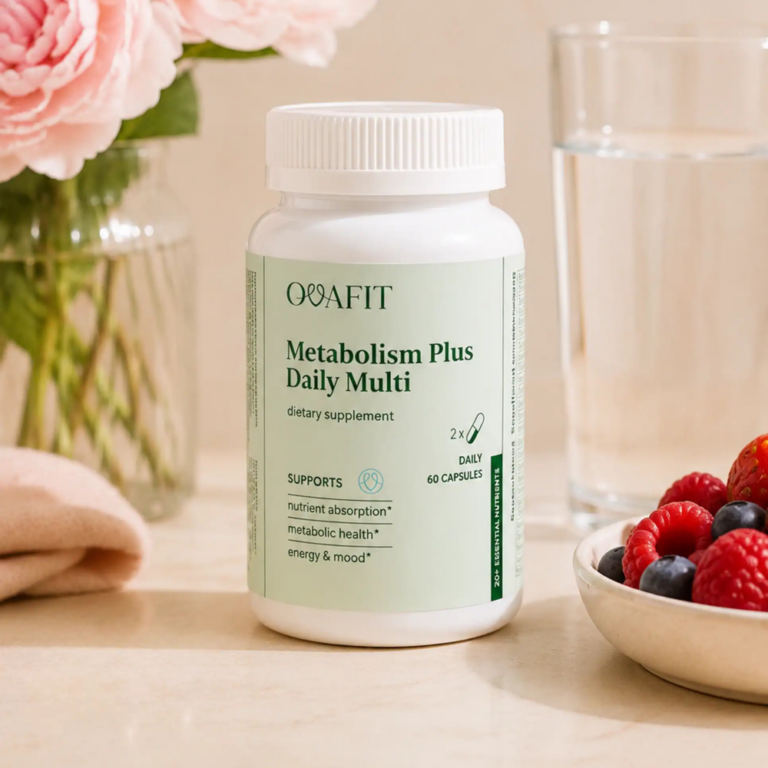
That’s exactly why I created Berberine Advanced, an advanced phytosome formula with research-supported ingredients to help keep glucose metabolism balanced and gently support your body’s natural GLP-1 response. It’s gluten-free, soy-free, dairy-free, vegan friendly, doesn’t contain artificial colors or preservatives, and, because we use Berberine Phytosome™, it’s 10x more bioavailable. This means it absorbs more quickly and may help you achieve results faster.
While research is ongoing, berberine is commonly used as a supplement for those looking to support metabolic function as part of a comprehensive plan. Rather than replacing regular, gentle movement and gluten- and dairy-free meal plans, berberine is considered one tool that can complement a broader approach to managing PMOS.
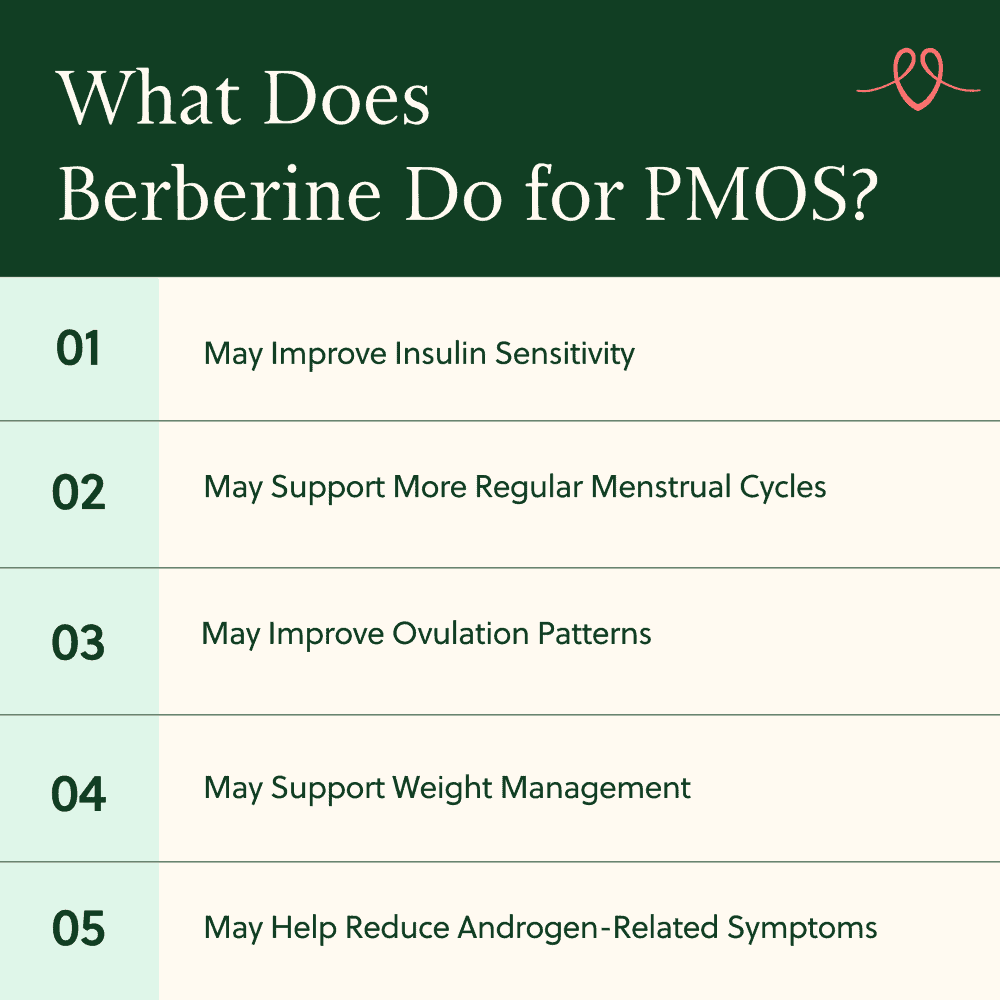
What Does Berberine Do for PMOS?
Here’s where I want to be careful and specific. Below are the areas research has explored. These are potential benefits, not promises, and results vary from person to person. With this in mind, here’s what research shows as far as what berberine may be able to do for women with PMOS:
May Improve Insulin Sensitivity
One of the most researched potential benefits of berberine for PMOS is its ability to improve insulin sensitivity. Because up to 80% of women with PMOS experience insulin resistance, the body produces more insulin than it needs. Over time, elevated insulin levels can contribute to hormonal imbalances, weight gain, and increased androgen levels (male sex hormones). And, in some cases, more serious conditions such as an increased risk of cardiovascular disease and type 2 diabetes.
Research shows that berberine may help support blood sugar regulation by activating AMP-activated protein kinase (AMPK). Some studies have even found improvements in fasting glucose and insulin markers, suggesting berberine may help improve fasting metabolic measurements when combined with other intentional lifestyle habits.
May Support More Regular Menstrual Cycles
Because insulin and reproductive hormones are closely connected, supporting metabolic health may also positively influence menstrual function. More specifically, when insulin levels become more balanced, the ovaries may receive more consistent hormone signals, potentially supporting more predictable menstrual cycles. (Hence why I mentioned that high insulin may stimulate the ovaries to produce more androgens!)
While results vary from person to person, research shows that some people taking berberine alongside other lifestyle habits experience improvements in cycle regularity. However, PMOS, while a common condition, differs from woman to woman. If you’re breastfeeding, pregnant, trying to get pregnant, or have any concerns, always consult your healthcare provider. They know your history the best and can help you figure out a PMOS management plan tailored to your unique needs.
May Improve Ovulation Patterns
Ovulation depends on a carefully regulated balance of insulin and sex hormone activity. When insulin sensitivity contributes to hormonal disruption, ovulation may become less consistent. Some clinical studies suggest berberine may help improve ovulation patterns in certain women by supporting better metabolic function and promoting a healthier hormonal environment.
However, this is important: this area continues to be actively studied, and this isn’t a one-size-fits-all type of situation. While current evidence suggests that berberine benefits may extend beyond glucose metabolism, as I mentioned earlier, always consult your healthcare provider. If you’re pregnant or trying to conceive, they can help assist you in creating a plan and recommend supplements that work best for your body.
May Support Weight Management
For many women with PMOS, weight gain (PMOS belly) feels like one of the most frustrating symptoms. And more times than not, it can feel impossible to tackle. However, take it from me, a woman with PMOS and a Registered Dietitian: it isn’t about trying harder. It’s about understanding what’s happening inside your body and using strategies that work with your hormones rather than against them.
This isn’t to say that berberine is a weight loss supplement. However, it may support weight management by activating the metabolic enzyme AMPK, improving blood sugar, and slowing carb digestion. It can be an incredibly helpful tool when paired with consistent, gentle movement, a gluten- and dairy-free anti-inflammatory diet, and adequate sleep.
Feel like you don’t know where to start? Download the Cysterhood app! Here, you can find PMOS-friendly recipes, workouts, resources, and a community of women going through similar experiences. You don’t have to manage your PMOS alone; the Cysterhood community can be there every step of the way.
May Help Reduce Androgen-Related Symptoms
As I mentioned earlier, excess insulin can stimulate the ovaries to produce more androgens. By supporting healthier insulin function, studies show that berberine may indirectly contribute to reduced androgen production in some women.
It’s important to note that berberine doesn’t directly target hormones. However, the science is real. Many studies have given the PMOS community hope, demonstrating improvements in androgen levels alongside metabolic markers.
Learn more about this connection by reading my post, “Common Symptoms of Adrenal Fatigue.”
Is Berberine Safe for PMOS?
For many healthy adults, berberine is generally considered well tolerated when taken as directed. However, like with any supplement, it can cause mild side effects such as stomach upset, diarrhea, constipation, and nausea. That’s often why I recommend staying hydrated and taking berberine with meals (which I’ll discuss more about below).
Berberine may also lower blood sugar, so it can potentially interact with medications, particularly diabetes medication and certain prescriptions. Because of this, always speak with your healthcare provider before starting berberine (or any supplement, for that matter!).
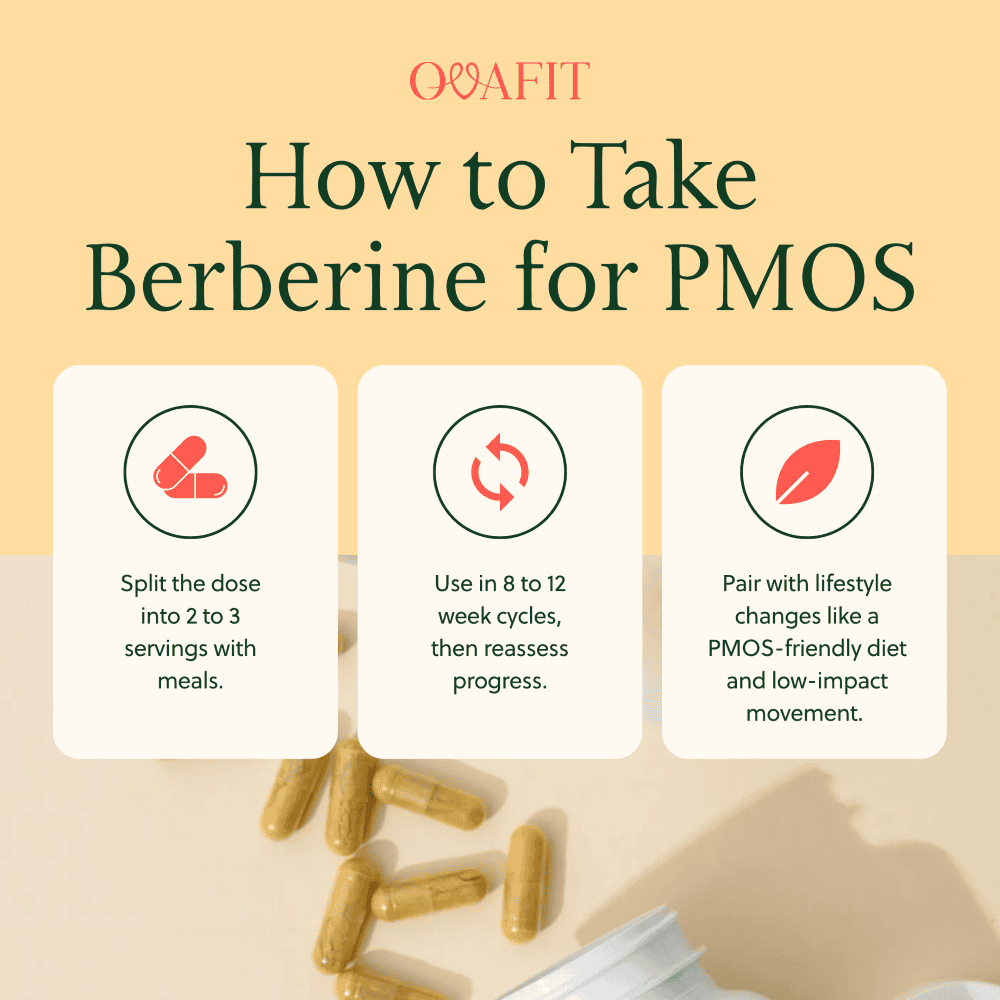
How to Take Berberine for PMOS
After deciding that berberine is the right fit into your PMOS management plan, how you take it matters just as much as whether you take it. Here’s what I often recommend when taking berberine:
Split the Dose Into 2 to 3 Servings With Meals
I always recommend taking 500 mg – 1,500 mg of berberine a day. In fact, research shows women with PMOS can often begin seeing improvements in their symptoms between this dosage amount. Additionally, you’ll want to split this dosage up and take both with meals. Not only can this help maintain more consistent levels throughout the day, but it also reduces the risk of digestive upset.
Use in 8 to 12 Week Cycles, Then Reassess Progress
Rather than taking berberine indefinitely, many healthcare providers recommend evaluating your progress after the 8 to 12 week mark. (This is also when many women begin seeing improvements in symptoms.) Doing so allows you and your healthcare provider to evaluate the efficacy of berberine in your unique PMOS management plan.
Pair With Lifestyle Changes Like a PMOS-Friendly Diet and Low-Impact Movement
No supplement can replace your daily habits, and berberine is intended to support them rather than serve as a substitute. I often encourage incorporating a gluten- and dairy-free anti-inflammatory diet, low impact movement, and a quality sleep routine.
Additionally, this is where it’s important to set realistic expectations. PMOS is a long-term hormonal and metabolic condition, but many women are able to significantly improve how they feel and better manage their symptoms through consistent nutrition, movement, and other healthy lifestyle habits.
Supplements like berberine are designed to complement that foundation by supporting your body’s natural metabolic processes. And when you do decide that berberine deserves a spot in your PMOS management plan, Ovafit’s Berberine Advanced is backed by science, tested for purity, potency, and accuracy, and is made in an FDA-registered, cGMP-complaint facility.
Because at the end of the day, you deserve that every capsule you take meets the same high standard.
Support your PMOS journey but exploring Ovafit’s Berberine Advanced.
Here’s how I think about it as a Registered Dietician who formulated our supplement line: if your biggest challenges are cravings, fluctuating blood sugar, and supporting healthy metabolic function, berberine is one ingredient worth considering.
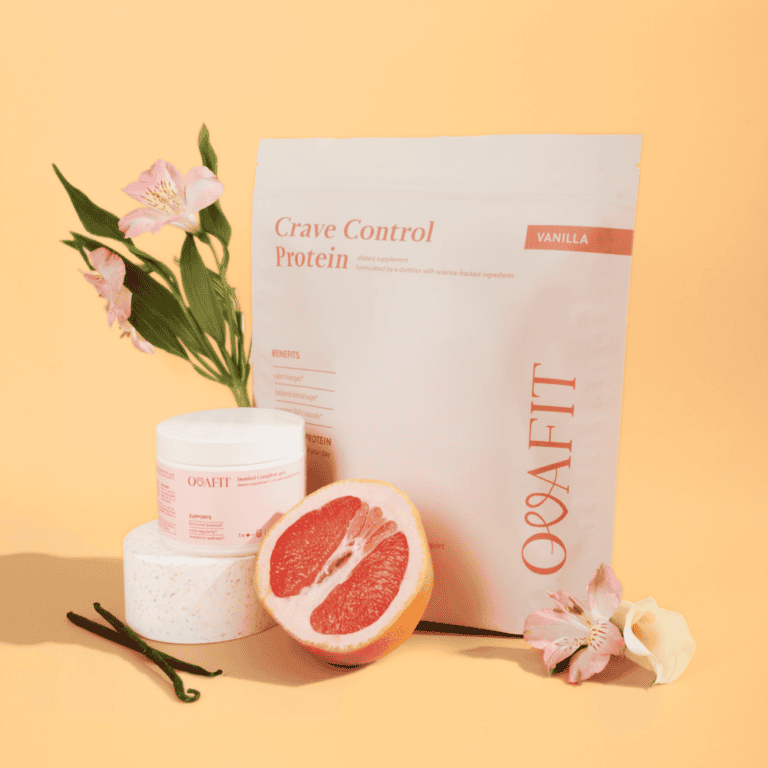
Our Ovafit Berberine Advanced is formulated with the split-dosing and real-research doses above in mind, third-party tested, and made specifically for PMOS bodies (formulated by a dietitian with PCOS). If cravings are your biggest fight, our Crave Control Protein Powder naturally supports GLP-1 through a fruit extract called DygloFit and pairs beautifully alongside it. And if you’re not sure what your body needs first, start with our free “What’s My PMOS Type?” quiz and let’s match you to the right ingredient.
Because you deserve a plan built on ratios, doses, and honesty, not hype. You’ve got this!
Tallene, RD
Written by Tallene Hacatoryan, MS, RD, founder and formulator of OvaFit. Tallene is a Registered Dietitian who specializes in PCOS (now called PMOS) nutrition and has PCOS herself.
Medical disclaimer: This content is for educational purposes only and is not medical advice. It is not intended to diagnose, treat, cure, or prevent any disease. Always talk with your doctor or a qualified healthcare provider before starting any supplement, especially if you take medications, are pregnant or breastfeeding, are trying to conceive, or have a medical condition.
These statements have not been evaluated by the Food and Drug Administration. OvaFit products are not intended to diagnose, treat, cure, or prevent any disease.