
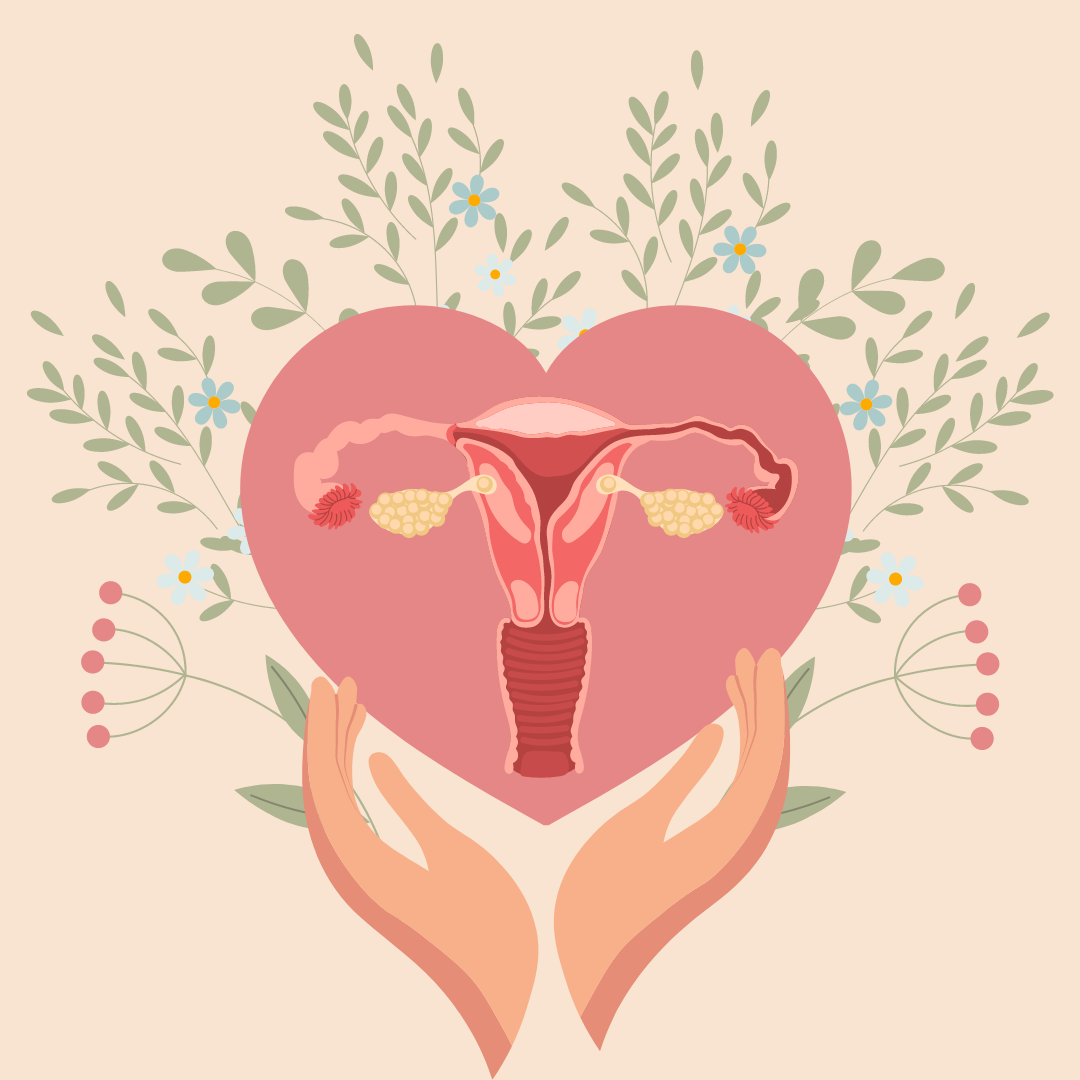

Let’s talk about ovaries! These small but mighty organs are among the primary reproductive organs in females. They play a crucial role in storing and releasing eggs and producing hormones that control the menstrual cycle, pregnancy, and more. Aren’t our bodies amazing?
You might be wondering why ovarian health matters so much. Well, the condition of your ovaries can significantly impact the quality of the eggs they release and the balance of hormones they produce. And, if you’re living with polycystic ovary syndrome (PCOS), now called polyendocrine metabolic ovarian syndrome (PMOS), you need to be extra aware of your ovarian health, since the hormonal imbalances associated with the condition can affect reproductive health.
As a Registered Dietitian specializing in PMOS with the condition myself, I’m all about finding realistic ways to support our hormones. PMOS can make managing our ovaries seem more challenging, but there are steps we can take to support them.
There are lots of ways to improve ovarian health naturally, and supplements can be one piece of the puzzle. Certain nutrients have been studied for things like ovulation, egg quality, insulin sensitivity, and other factors that matter for those of us with the condition. So below, I’m sharing some of the best supplements for ovarian health:
6 Best Ovary Health Supplements for Women with PCOS
CoQ10
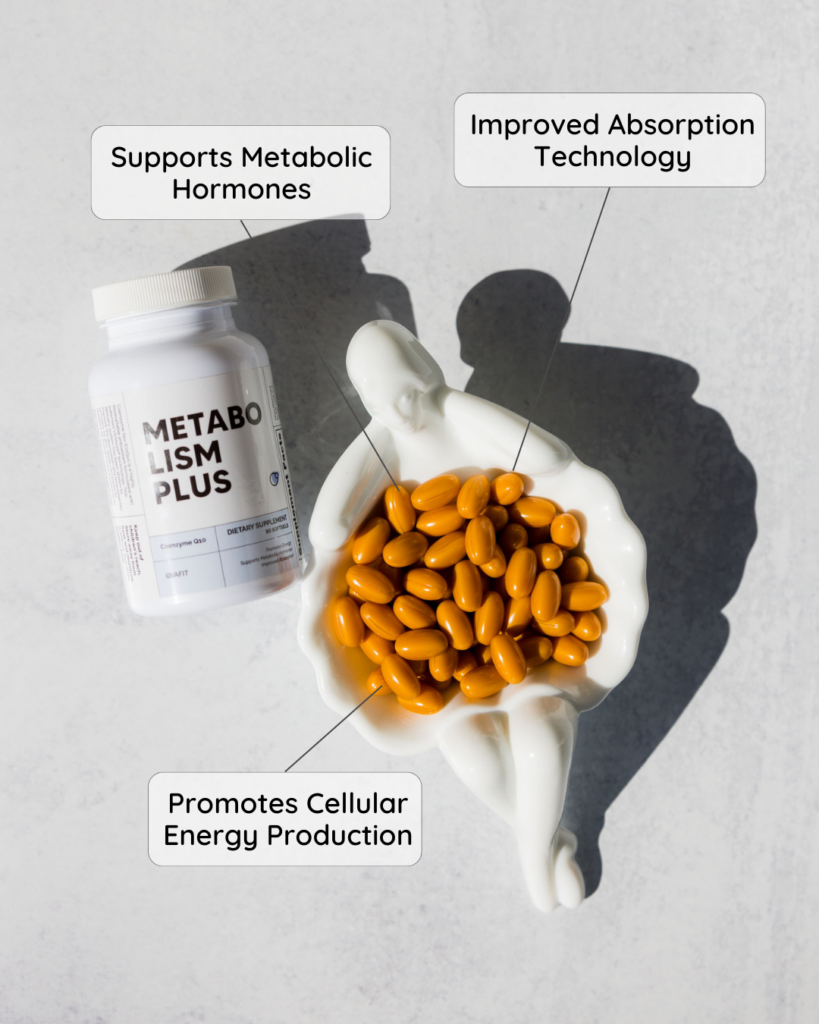
Coenzyme Q10 or CoQ10 is a naturally occurring antioxidant in the body. While our bodies produce it naturally, it’s also found in meat, fish, nuts, and some oils. CoQ10 plays an important role in cellular energy production, which is one reason it has been studied for both metabolic and reproductive health in women with PMOS.
So, what exactly does CoQ10 do and how does it help with ovarian health? CoQ10 is partly responsible for cell energy production. Your ovaries require a lot of energy to support follicular development, ovulation, and hormone production. Research suggests CoQ10 may support mitochondrial function, which is especially relevant to developing egg cells and ovarian function.
CoQ10 has also been studied for its potential role in egg quality and ovarian response. While that doesn’t mean taking CoQ10 will improve fertility for everyone, it may be one helpful part of supporting reproductive health alongside your overall PMOS routine.
For women with PMOS, I recommend starting with 100 mg of CoQ10 daily. That’s the amount included in the two-capsule serving of our Metabolism Plus Daily Multi. Since CoQ10 is fat soluble, I recommend taking it with a meal that contains some healthy fats, like olive oil or avocado.
Inositol Complete 40:1
Inositol Complete 40:1, which is one of my favorite supplements for PMOS, is a 40:1 blend of myo-inositol and D-chiro-inositol that may support insulin sensitivity, hormone balance, and regular ovulation in women with PMOS.
Inositol has even been studied alongside metformin, a medication commonly prescribed for PMOS. In one three-month study, women took either 1,000 mg of myo-inositol twice daily, 500 mg of metformin twice daily, or 500 mg of berberine twice daily. All three groups saw changes in the metabolic and hormonal markers researchers measured, while myo-inositol showed greater improvement specifically in measures of carbohydrate metabolism. That doesn’t mean inositol is a replacement for metformin, but it does help us understand why it may be useful for supporting insulin sensitivity with PMOS.
Insulin resistance is extremely common with PMOS and can contribute to fatigue, stubborn PMOS belly, and difficulty losing weight. High levels of insulin can result in an overproduction of androgens (testosterone) in the ovaries, which can contribute to irregular periods, excess hair growth, acne, and difficulty ovulating.
That’s where inositol can be especially helpful. By supporting insulin sensitivity, it may also support more regular menstrual cycles, ovulation, and normal androgen levels.
For PMOS, a commonly studied daily amount is 4 grams of myo-inositol paired with D-chiro-inositol in a 40:1 ratio, typically split into two doses. With Inositol Complete 40:1, you can take one serving twice daily and mix it with a hot or cold non-carbonated drink. (You can also add it to one of my Inositol Complete Smoothies or mocktails on The Cysterhood App.)
Omega-3
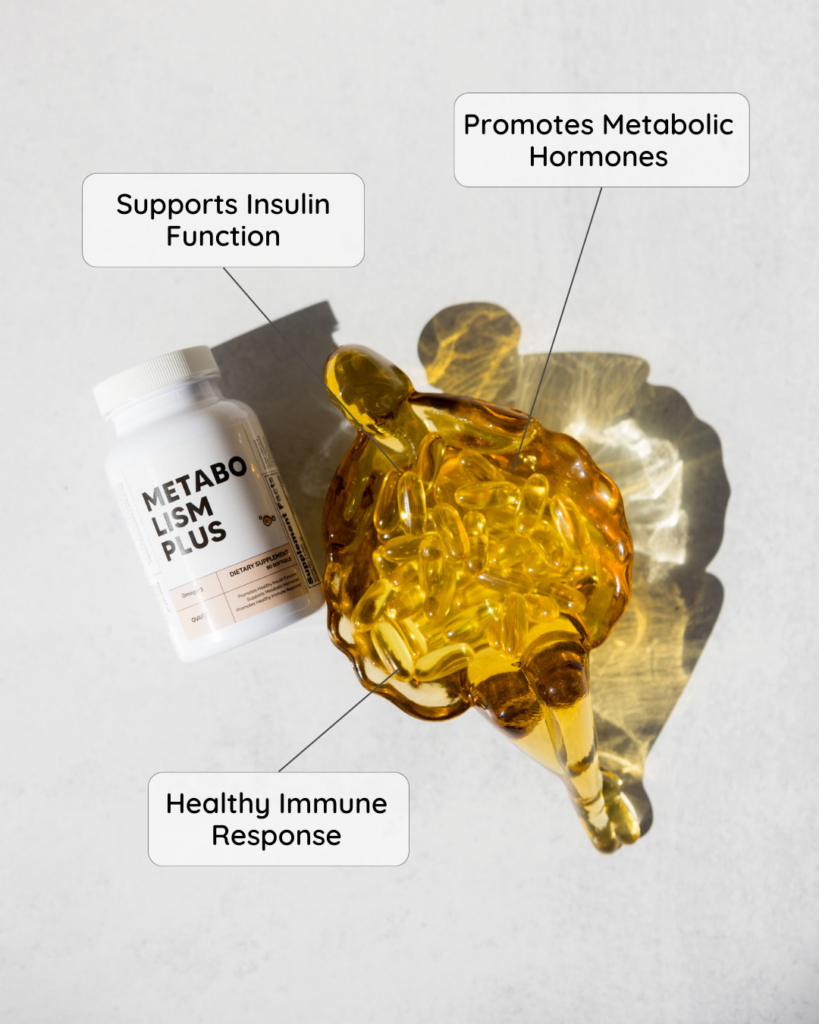
Omega-3 is the next supplement on our list for ovarian health! This is a type of fatty acid that is not naturally produced by the body even though it’s essential for our health. These crucial fatty acids are often found in fish, like salmon, as well as flax seeds. But if you don’t regularly eat omega-3-rich-foods, a supplement can help you get more into your routine.
So, how exactly can omega-3 help with ovarian health in women with PMOS?
Omega-3 fatty acids have been studied for their anti-inflammatory effects. This may be especially relevant for PMOS, since low-grade chronic inflammation is common with the condition and may play a role in ovarian dysfunction. Research has also looked at omega-3 supplementation for menstrual regularity, hormone levels, and other markets of reproductive and metabolic health in women with PMOS.
For women with PMOS, studies have commonly used around 1,000-2,000 mg of omega-3 fatty acids per day, although the right amount can depend on the specific supplement and its EPA and DHA content. I recommend taking omega-3 with a meal that contains healthy fats, which can make it easier to incorporate into your daily supplement routine.
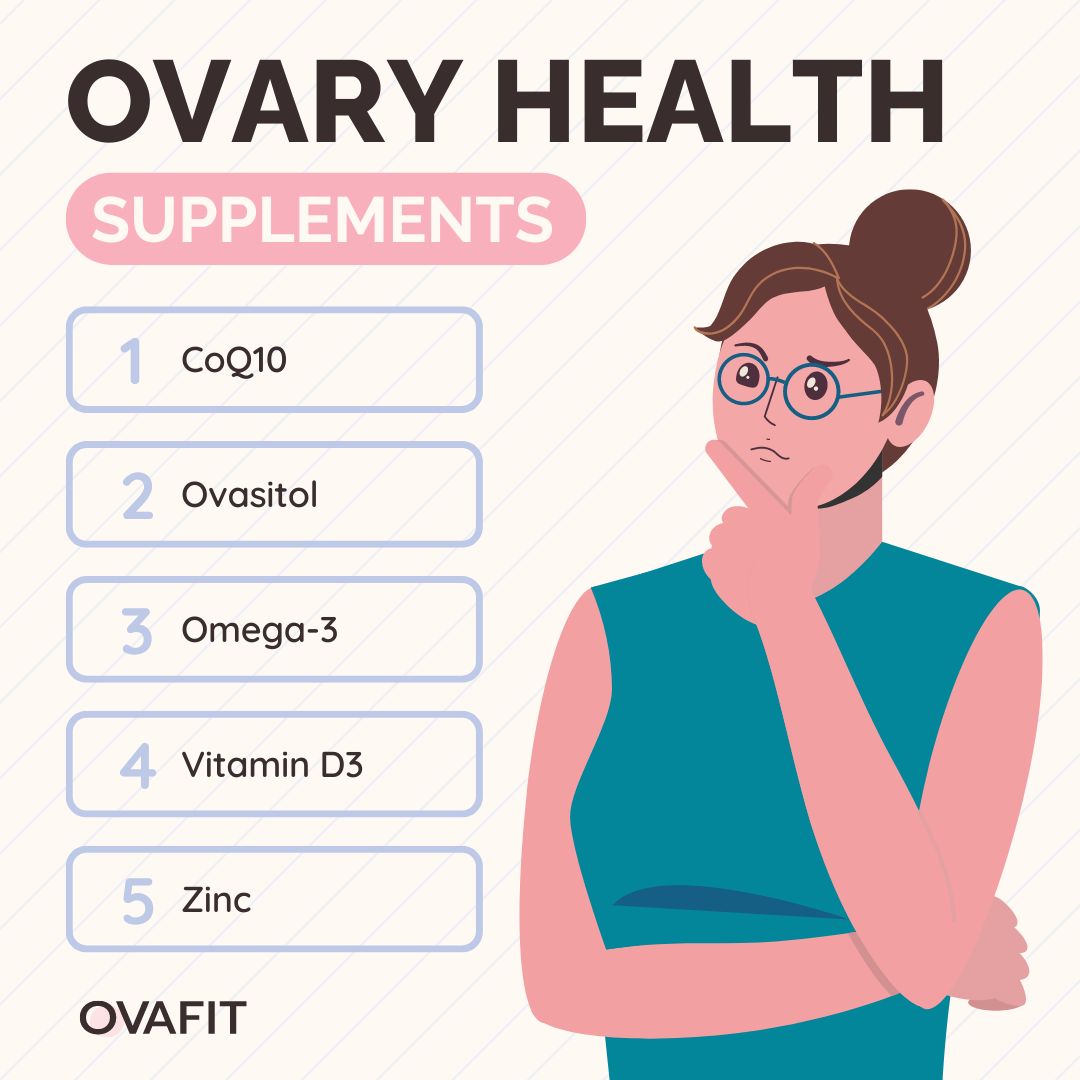
Vitamin D3
Nicknamed the “Sunshine Vitamin,” vitamin D3 is a vital nutrient that our bodies can produce when our skin is exposed to sunlight. Vitamin D also plays a role in reproductive and metabolic health, making it an important nutrient to pay attention to when you have PMOS.
So, how can vitamin D3 support ovarian health? Vitamin D receptors are found throughout the reproductive system, including the ovaries, and research has explored the relationship between vitamin D levels and hormone balance, follicular development, menstrual regularity, and ovulation.
Vitamin D deficiency is also common among women with PMOS, so getting your levels checked can help you figure out whether you need additional support. If your levels are low, your doctor can help determine the right amount for you based on your bloodwork.
For general daily support, our Metabolism Plus Daily Multi contains 2,000 IU (50 mcg) of vitamin D3 in each two-capsule serving. Vitamin D is fat-soluble, so I recommend taking it with a meal that contains some healthy fats to help with absorption.
Zinc
Zinc is an essential mineral that plays a role in cell growth, hormone production, immune function, and reproductive health. You’ll find zinc in foods like chicken, fish, and red meat, but some women with PMOS may not be getting enough through diet alone.
Zinc has antioxidant properties, which help protect cells from oxidative stress. This is especially relevant to ovarian health because oxidative stress has been studied for its potential role in ovarian function and reproductive health.
Zinc has also been studied in women with PMOS for its potential effects on androgen-related symptoms and other metabolic and reproductive markers. While it isn’t a treatment for high testosterone on its own, getting enough zinc is an important part of supporting normal hormone and reproductive health.
For adult women, the recommended dietary allowance for zinc is 8 mg per day, although your individual needs may vary. Our Metabolism Plus Daily Multi provides 15 mg of zinc in each two-capsule serving, so you don’t necessarily need a separate zinc supplement to add it to your routine.
Folate
Folate, also known as vitamin B9, is an essential nutrient that supports DNA synthesis, cell division, and normal reproductive function. Because developing follicles and eggs rely on healthy cell growth, getting enough folate is especially important when we’re thinking about ovarian and reproductive health.
Folate also plays a role in the methylation cycle, including the conversion of homocysteine into other amino acids. Researchers have studied elevated homocysteine levels in relation to reproductive health, including ovulation and egg quality, although folate is only one piece of that much bigger picture.
For most adult women, the recommended dietary allowance is 400 mcg DFE of folate per day. That increases to 600 mcg DFE during pregnancy, which is one reason folate becomes especially important if you’re trying to conceive or are pregnant.
Our Metabolism Plus Daily Multi contains 667 mcg DFE of folate as L-5-methyltetrahydrofolate in each two-capsule serving. This makes it an easy way to add folate to your daily routine alongside several of the other nutrients we’ve discussed for PMOS.
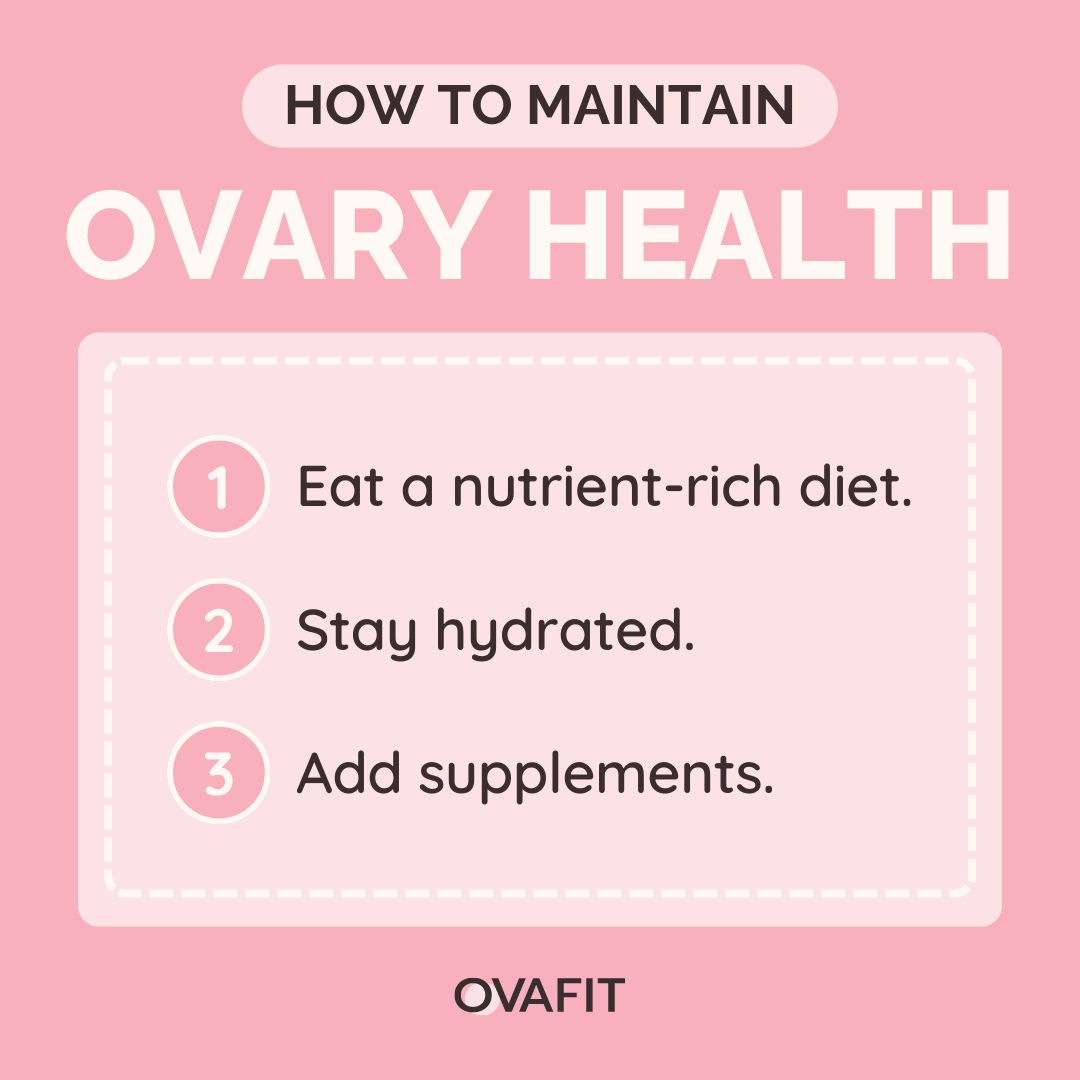
How To Maintain Ovary Health
No one vitamin will act as a standalone fertility treatment. You need a more holistic approach for long-term change to your ovarian health. Along with taking dietary supplements, Cysters can also incorporate lifestyle changes to help maintain proper ovary functioning while also managing PMOS symptoms.

Eat a nutrient-rich diet.
Our diets are the foundation of our health. Everything we eat contributes to how we feel which is a great way we can take control over our symptoms. Focusing on eating nutrient-rich foods such as fruits, vegetables, protein, foods high in fiber, and whole grains can drastically change how we feel and manage our PMOS symptoms.
I recommend trying a gluten- and dairy-free diet to reduce inflammation with PMOS. Limiting processed food and sugar intake can help you maintain ovarian health and have better control over your insulin levels. But don’t worry, you don’t need to cut it out altogether! Try eliminating it for only 30 days, and reintroducing it back to see how much your symptoms can tolerate.
If you’re looking for PMOS-friendly recipes for your next meal, make sure to download The Cysterhood App! You’ll find all of your favorite meals, including pizza, chicken nuggets, and fajitas that are tailored to make PCOS bodies feel great!
Stay hydrated.
Drinking water plays a crucial role in maintaining ovarian health. When you keep yourself hydrated, you’re supporting proper blood flow, which ensures that essential nutrients and oxygen are delivered to the ovaries. This can help with the production and release of healthy egg cells.
Hydration also aids in balancing hormones and maintaining a regular menstrual cycle, both of which are key for reproductive health. So, don’t forget to drink between six and eight cups of non-caffeinated liquid per day and keep those ovaries happy and healthy! Remember, a well-hydrated body is a well-functioning body.
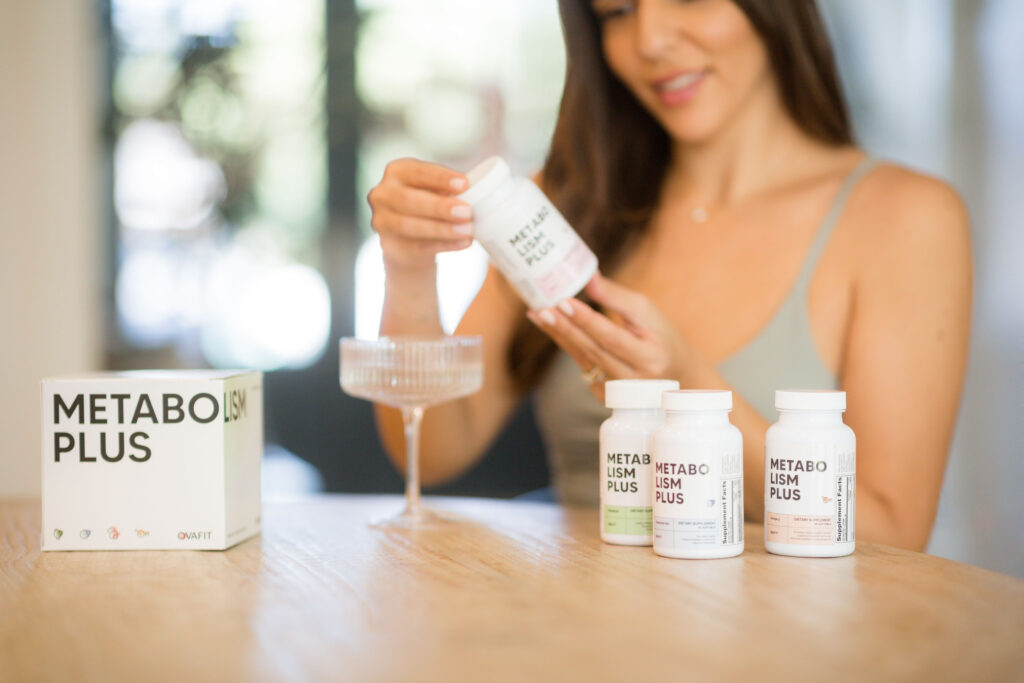
Add supplements.
It’s difficult to get all your daily vitamins and minerals from your diet, especially given the nutrient deficiencies that already come with having PCOS. Supplements like CoQ10, Zinc, Omega-3, Vitamin D3, and Inositol Complete 40:1 can be a beneficial part of your routine and could make a real difference in managing PMOS.
Do Ovary Health Supplements Actually Work?
Ovary health symptoms can help support your reproductive and metabolic health, but they aren’t a quick fix for PMOS or fertility concerns. The results also depend on the supplement, why you’re taking it, and what your body actually needs.
Research on nutrients like inositol, vitamin D, omega-3s, CoQ10, zinc, and folate has looked at everything from insulin sensitivity and hormone levels to ovulation and egg quality. Some studies have found promising results, particularly for women with PMOS, but that doesn’t mean every supplement will have the same effect for every woman.
And give it time! Supplements generally aren’t something you’ll take for a few days and immediately notice a difference. Many studies look at changes over several weeks or months, so consistency matters. If you’re addressing a deficiency, your timeline may also depend on how low your levels were to begin with.
Supplements work best as one piece of your overall PMOS management plan, including a gluten- and dairy-free diet, low-impact movement, sleep, stress management, and any treatment recommended by your healthcare provider.
Supplements to Avoid or Be Careful With
More isn’t always better when it comes to supplements. Even vitamins, minerals, and other over-the-counter supplements can interact with medications or give you more of a nutrient than you actually need.
If you take metformin, hormonal birth control, thyroid medication, blood thinners, or other prescription medication, check with your doctor or pharmacist before adding a new supplement. They can help you look at potential interactions, the right dosage, and whether you even need the supplement in the first place.
The same goes for anyone who’s pregnant or trying to conceive. Your nutrient needs change during pregnancy, and not every supplement is appropriate during this stage. Rather than stacking several supplements on top of each other, bring your full supplement list to your doctor so they can help you build a routine that’s right for you.
Best Supplements for Ovarian Cyst
If you’re looking for the best vitamins for ovarian cysts, there’s an important distinction to make: ovarian cysts aren’t the same thing as the multiple small follicles commonly seen with PMOS. There are also several different types of ovarian cysts, and supplements aren’t a proven treatment for making a cyst disappear.
Most functional ovarian cysts resolve on their own within 2 to 3 menstrual cycles, while other types may need monitoring or medical treatment. That means there isn’t one vitamin or supplement I can recommend as a treatment for ovarian cysts themselves.
If you have PMOS, however, supplements like those I mentioned above may still support the metabolic, hormonal, or reproductive factors we’ve discussed throughout this post. Just think of these as support for your overall PMOS and ovarian health, not a treatment for an existing ovarian cyst.
If you know or suspect you do have an ovarian cyst, talk with your healthcare provider about the type of cyst you have and whether it needs follow-up.
Ovary Supplements vs. Prenatal Vitamins
Ovary health supplements and prenatal vitamins aren’t necessarily interchangeable. Which one makes sense for you depends mainly on what you’re trying to support right now.
If you’re managing PMOS and aren’t currently trying to conceive, supplements can be chosen based on your individual symptoms, diet, and lab results. That might include nutrients we’ve discussed in this post!
If you’re trying to conceive or are pregnant, a prenatal vitamin becomes much more important. Prenatals are specifically formulated to provide nutrients needed before and during pregnancy, including folate or folic acid and iron. Your doctor can also tell you whether you should continue any of your other supplements alongside your prenatal.
The biggest thing to avoid is doubling up without realizing it. Your prenatal and other supplements may contain some of the same vitamins and minerals, so always compare the labels and talk with your healthcare provider before combining them.
Comment Below Which Supplements You Use for Ovary Health!
Your ovaries deserve some extra love and care, especially when you have PMOS. That’s why women worldwide are taking targeted supplements to maintain their ovarian health and find true relief from the symptoms they’ve spent so long trying to manage alone.
Want to learn more about living with PMOS and get actionable tips, recipes, and exercises? Make sure to join The Cysterhood App for the latest information about managing PCOS today!