If you’ve been researching insulin resistance and polycystic ovary syndrome (PCOS), now polyendocrine metabolic ovarian syndrome (PMOS), you’ve probably come across the same three names: inositol, berberine, and metformin. I definitely did when I was first learning how to manage my own PMOS! But when they’re constantly mentioned together in the same conversation, it can start to feel like they all do basically the same thing. They don’t.
I’m Tallene Hacatoryan, a Registered Dietitian who also has PMOS, and I formulate the supplements at Ovafit. Inositol and berberine are both huge parts of what I do, but I still want you to understand how all three options compare so you can have an informed conversation with your provider.
So, let’s get into the difference between inositol, berberine, and metformin, talk about how each one works, and cover what you should know before deciding what makes the most sense for you.
This article is for education, not medical advice. Metformin is a prescription medication, so please don’t start or stop taking it, change your dose, or replace it with another supplement without talking to your doctor first.
Inositol vs Berberine vs Metformin: What Are the Differences?
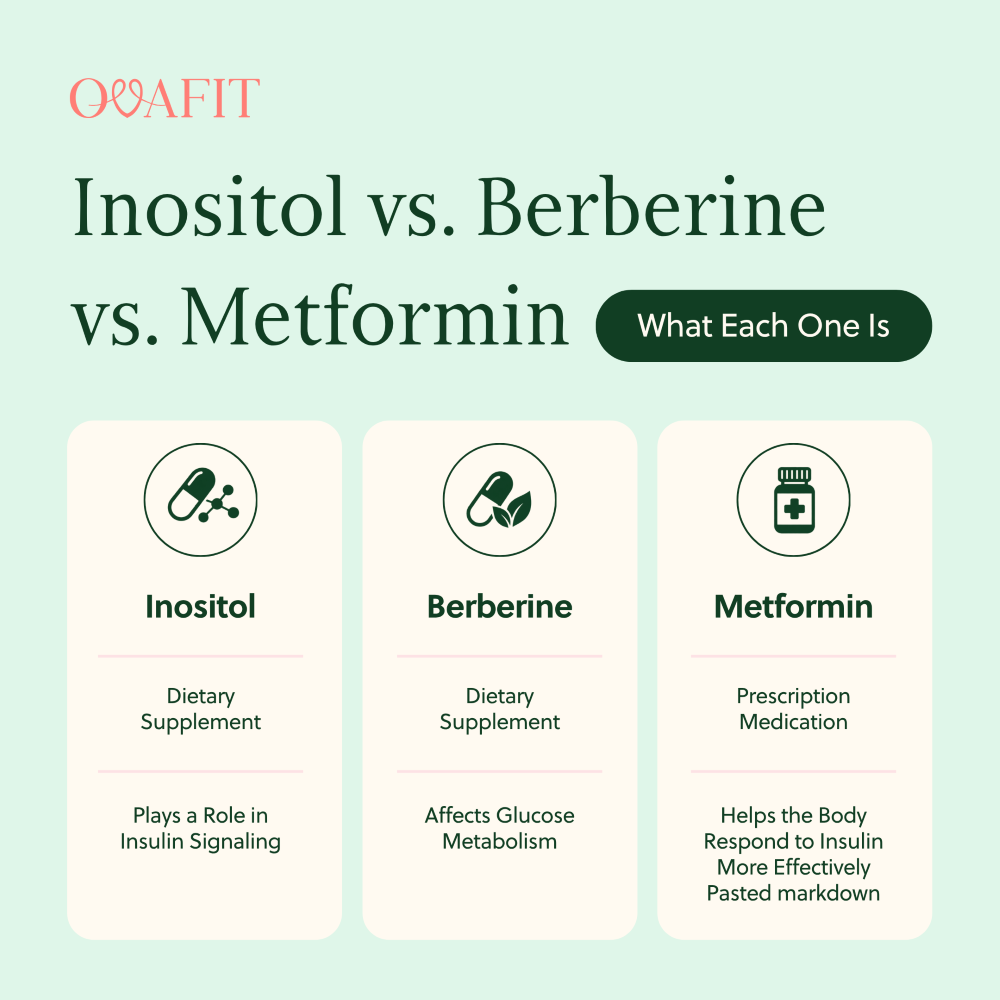
Inositol and berberine are both dietary supplements, which means you can buy them without a prescription. Metformin is a prescription medication that needs to be prescribed and managed by your doctor.
All three constantly come up in conversations around insulin resistance, but they work differently in the body. Inositol plays a role in insulin signaling, while berberine and metformin have some overlap in how they affect metabolism.
If you’re interested in looking a little deeper into each option on its own, I also have full guides on berberine and PMOS and on metformin for PMOS.
How Does Inositol Work?
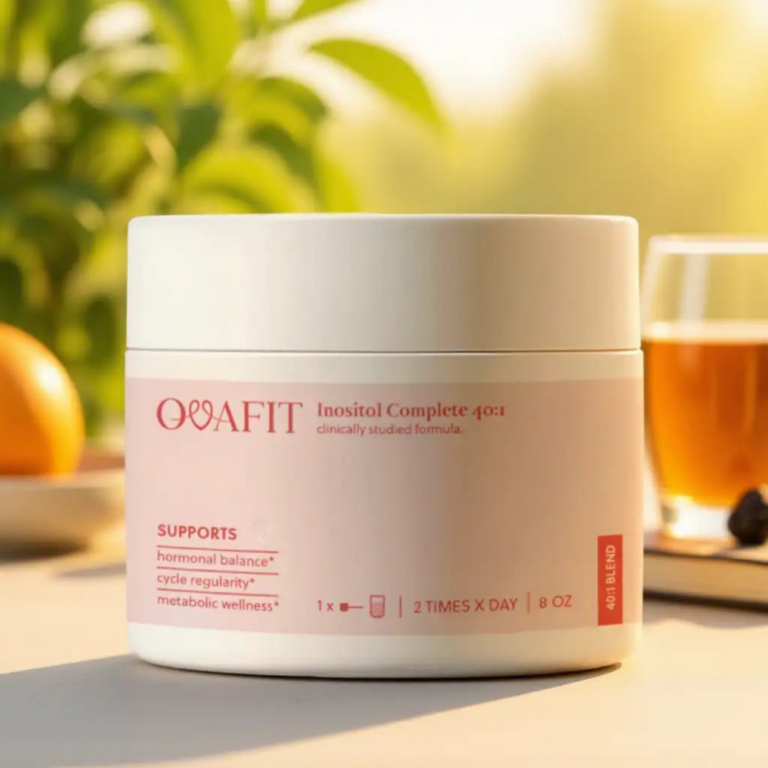
Inositol is a sugar-like compound your body makes naturally and also gets from food. There are different forms, but myo-inositol is the one you’ll hear about most when it comes to insulin signaling.
Think of it as a messenger. Insulin sends the signal, and myo-inositol helps carry that message inside the cell so your body can respond to it. With insulin resistance, that process doesn’t work as efficiently, which can contribute to some of the blood sugar issues, cravings, and other symptoms we see with PMOS.
This is one reason inositol has been studied so much for women with PMOS. In a 12-week randomized study, 2 g of myo-inositol a day led to reductions in LH, prolactin, testosterone, and insulin. Researchers also saw improved insulin sensitivity, and menstrual cycles were restored in participants who previously had amenorrheic or oligomenorrheic.
A separate systematic review used to inform the 2023 international PCOS guidelines found potential benefits for myo-inositol or D-chiro inositol for certain metabolic measures as well as possible benefits from DCI for ovulation.
There are great reasons to consider inositol for PMOS, but I never want to make it sound like one supplement is going to fix everything. I talk more about the benefits and what research has found in my full guide, “Can You Take Inositol Without PMOS?”
How Does Berberine Work?
Berberine is a plant compound that’s been used in traditional medicine for a long time. Today though, you’ll mostly hear about it as a dietary supplement for metabolic health, especially when insulin resistance and blood sugar are part of the conversation.
It works differently from inositol. Berberine activates an enzyme called AMPK, which plays a role in how your body uses and stores energy. This can help your muscles use glucose while also reducing how much glucose your liver produces.
That overlap in glucose metabolism is also why berberine gets compared to metformin so often. In one trial, 36 adults who had been recently diagnosed with type 2 diabetes were randomly assigned to take berberine or metformin for three months. Researchers found similar blood-sugar-lowering effects between the two groups.
Berberine has also been studied for its effects on cholesterol and triglycerides. Some research suggests it may play a role in reducing cholesterol and triglyceride levels. If you’re keeping an eye on cholesterol, LDL levels, and blood sugar, that may be one reason berberine comes up in conversation.
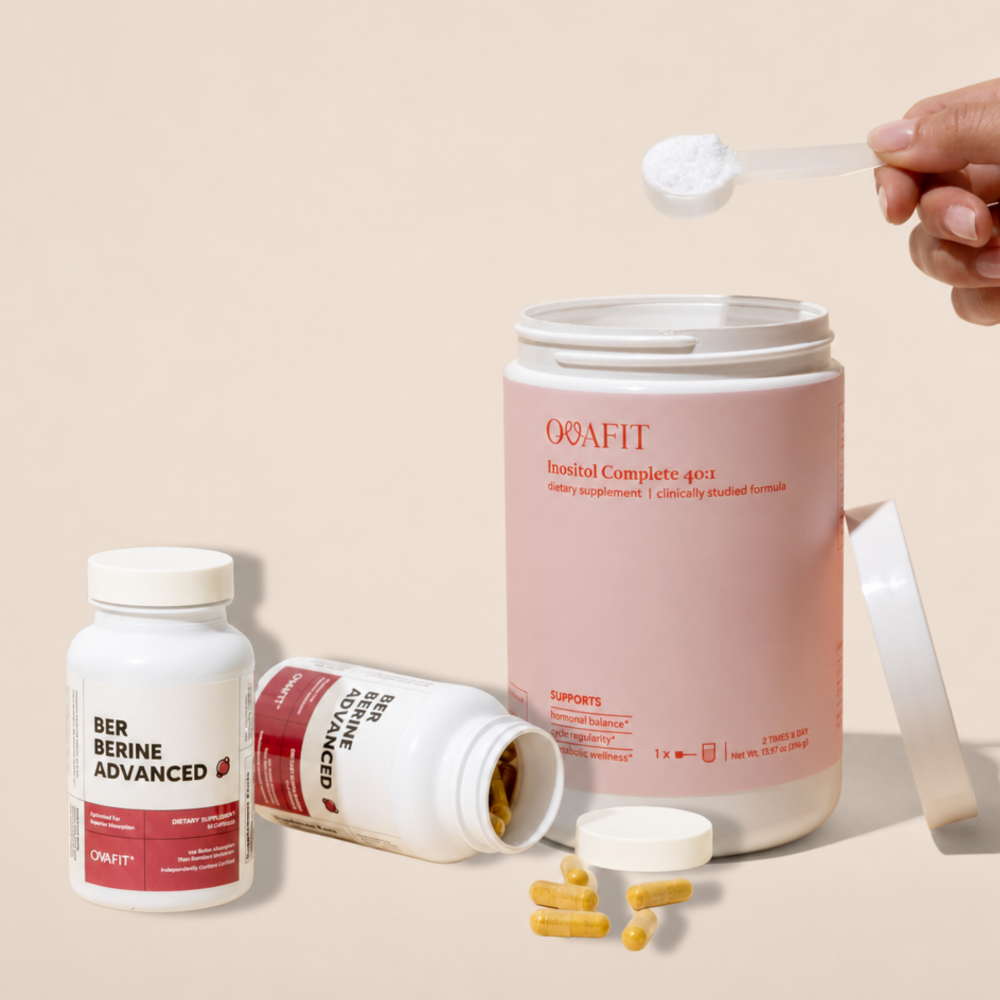
There are a few things to keep in mind though. We still need more research specifically on berberine in women with PMOS, and supplement quality can vary depending on the product. That’s one reason we standardize Ovafit’s Berberine Advanced, so you know how much berberine you’re actually getting per capsule.
How Does Metformin Work?
Metformin is different from the first two because it’s a prescription medication, not a supplement. It’s commonly used to treat type 2 diabetes, but doctors may also prescribe it for women with PMOS, especially when insulin resistance is part of the picture.
Metformin works in a few ways. One of the biggest is reducing how much glucose your liver releases into your bloodstream. It also helps your body respond to insulin more effectively and improves the way your muscles take up and use glucose.
In other words, it helps lower the amount of glucose circulating in your blood while making it easier for your cells to use it. This is part of how your cells communicate and respond to insulin and why metformin is used when blood sugar and insulin resistance are concerns.
Because metformin is a prescription medication, though, your doctor should be the one helping you figure out how to use it. That includes your dose, how long you take it, and whether it makes sense for you in the first place. If you’re already taking metformin, don’t stop or change your dose without talking to your provider.
Inositol vs Berberine vs Metformin: The Key Differences
Now that we’ve gone through each one separately, let’s put them side by side. The biggest differences come down to what each one is, how it works, the research behind it, and the potential side effects.
What Each One Is: Supplement vs. Prescription
Inositol and berberine are both dietary supplements you can buy over the counter. Metformin is a prescription medication, so taking it and making changes to your dose should always involve your doctor.
With supplements, what you choose matters too. I always recommend looking for products that’ve been independently tested so you know you’re actually getting what’s listed on the label. That’s also why at Ovafit, third-party testing and manufacturing at FDA-registered facilities is seriously important to me.
Either way, this gives you two very different routes to talk about with your doctor: a prescription medication on one side, and well-formulated, quality-tested supplements on the other.
How They Work
Inositol works as a cellular messenger involved in insulin signaling, helping your cells respond to the insulin your body already produces. Berberine and metformin work differently, although there is some overlap between the two.
Berberine is described as working similarly to metformin because both affect the AMPK pathway and glucose metabolism. Research has also found similarities in how the two affect glucose uptake and use. Inositol takes a different route, which is why looking at all three as the same thing doesn’t really tell the whole story.
Effects on Insulin Sensitivity and Glucose Levels
All three have been studied for their ability to improve insulin sensitivity, but the research behind each one looks a little different.
Metformin has the longest clinical track record for managing glucose levels and insulin resistance. Berberine also has research showing effects on glucose metabolism, including studies comparing it directly with metformin.
Inositol has been studied for both metabolic and reproductive outcomes in women with PMOS. Studies have found improvements in insulin sensitivity as well as menstrual cycle regularity.
Side Effects
Side effects are another important difference to consider. Metformin tends to have digestive side effects, particularly when someone first starts taking it. Berberine can cause digestive issues too, including nausea, cramping, diarrhea, or constipation.
Inositol is generally well tolerated, although some people can still experience mild digestive symptoms, especially when taken on an empty stomach or too much at once. How you personally tolerate these options is worth discussing with your provider, especially if you’re already taking other medications or supplements.
Considerations for Long-Term Use
If you’re thinking about any of these options long term, there are a few things to consider beyond whether they can support insulin sensitivity.
With metformin, your doctor will determine how long you need it and whether they need to change your dose over time. If you’re already taking it, don’t stop suddenly or replace it with something else without talking to the doctor who prescribed it.
Berberine is also something I’d discuss with your doctor, particularly if you take metformin or another medication that impacts blood sugar. Because their effects can overlap, combining them isn’t something I recommend experimenting with on your own.
Like I said above, inositol is generally well tolerated and can be used as part of a longer-term approach to supporting insulin sensitivity and hormone balance. But whichever route you take, give your body some time. Changes in your cycle, cravings, energy, or weight management usually aren’t something you can judge after a few days.
How to Choose Between Inositol, Berberine, and Metformin
There isn’t one answer that makes sense for every woman with PMOS. Your symptoms, blood work, medications, and goals all matter. This is why I always recommend looking at the bigger picture instead of choosing something based on one benefit.
Start With Where You Already Are
If you’re already taking metformin, start with a conversation with the doctor who prescribed it before adding or switching anything. This is especially important with berberine because both can affect blood sugar.
Match the Option to What You’re Trying to Support
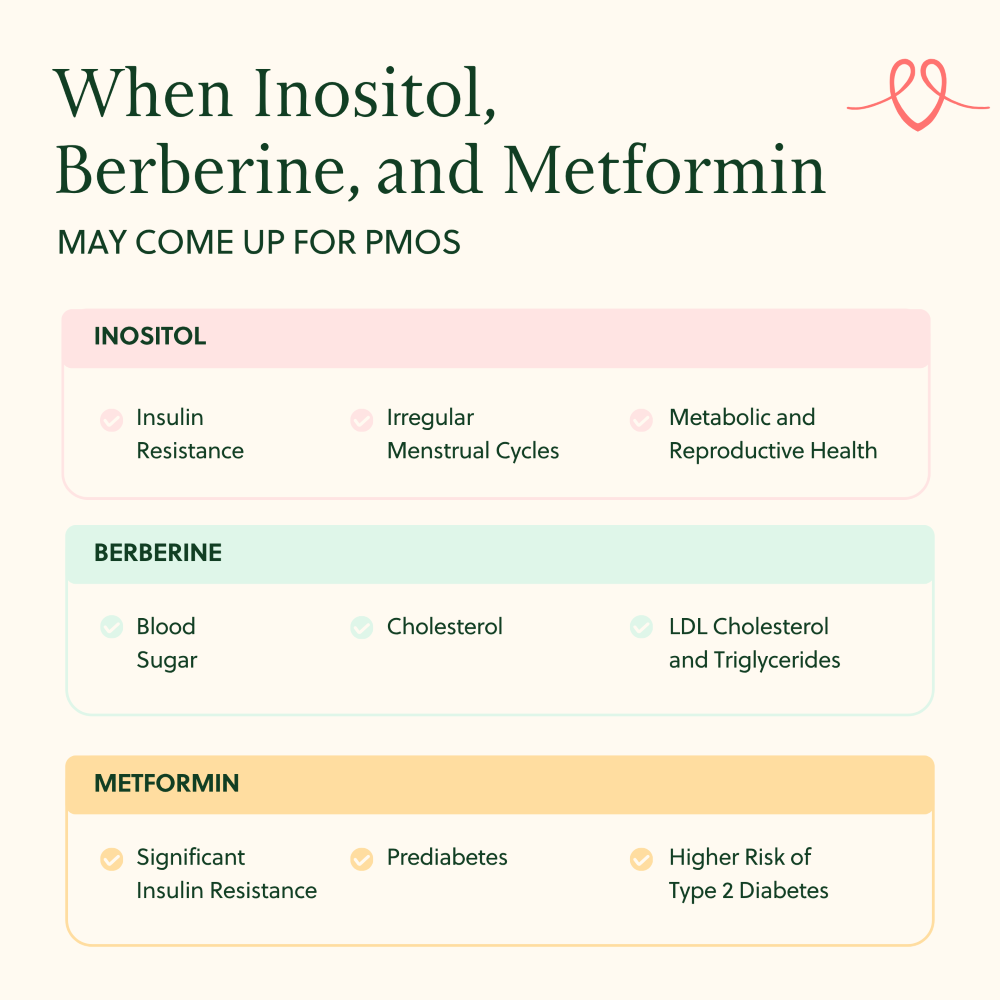
If irregular menstrual cycles and other PMOS (PCOS) symptoms are showing up alongside insulin resistance, inositol has research behind it for both metabolic and reproductive health. Studies have found that myo-inositol may help restore regular menstrual cycles in some women while also supporting insulin sensitivity.
Berberine may be worth discussing if blood sugar and cholesterol are bigger concerns, including high levels of LDL cholesterol or triglycerides.
Metformin may come up with your doctor if you’ve talked about significant insulin resistance, prediabetes, or a higher risk of developing type 2 diabetes. Because it’s a prescription medication, whether it makes sense for you is a decision to make with your doctor.
Think Beyond Weight Loss
I know weight loss is one of the first reasons women with PMOS start looking into insulin resistance. I’ve been there too. But I wouldn’t choose between inositol, berberine, and metformin based on the scale alone. Look at other changes happening in your body: your cycle, cravings, energy, blood sugar, and how you actually feel. Those can tell you a lot more about how your body is responding than one number can.
Don’t Forget About the Foundation
I’ll tell you exactly what I think every woman with PMOS should be told when looking for relief: no supplement or medication replaces the everyday habits that support metabolism. That’s why you’ll always hear me talking about a gluten- and dairy-free diet, slow-weighted, low-impact movement, getting enough sleep, and prioritizing stress management.
That’s also why I don’t look at inositol or berberine as something you take while ignoring everything else. They can support what you’re already doing, but your daily lifestyle habits still matter.
If you’re not sure what may be driving your symptoms, you can take “What’s Your PMOS Type?” quiz. And inside the Cysterhood App, I walk you through the food, movement, and lifestyle changes I use to support my PMOS and the symptoms of thousands of other women.
Talk to Your Doctor Before Making Changes
Inositol, berberine, and metformin can all come up when you’re trying to manage insulin resistance with PMOS, and it’s important to consider which one is right for you and your body.
Before starting a supplement, talk with your healthcare provider about your symptoms, blood work, medications, and anything else you’re currently taking. And if you’re on metformin, don’t change or stop your dose without talking to your doctor first.
My goal is always to help women understand their options so they know what questions to ask and what differences actually matter. Personally, I’m a big believer in supporting insulin resistance through nutrition, lifestyle changes, and targeted supplements when it’s appropriate. It’s a huge part of what helped me learn to manage my own PMOS, and it’s why I created Ovafit in the first place.
You’ve got this,
Tallene, RD
Medical disclaimer: This content is for educational purposes only and is not medical advice. It is not intended to diagnose, treat, cure, or prevent any disease or condition. Always talk with your healthcare provider before starting, stopping, or changing any supplement or medication, especially if you are pregnant, trying to conceive, or taking prescription medications such as metformin.
These statements have not been evaluated by the Food and Drug Administration. This product is not intended to diagnose, treat, cure, or prevent any disease.